Posted on Leave a comment

Log Cabins: The Surprising Solution to Our Housing Crisis

A TD in Limerick has proposed Log Cabins as an ideal solution to the housing crisis in Ireland. You can read the full article in the Limerick Post here: Log Cabins: The Surprising Solution to Our Housing Crisis.

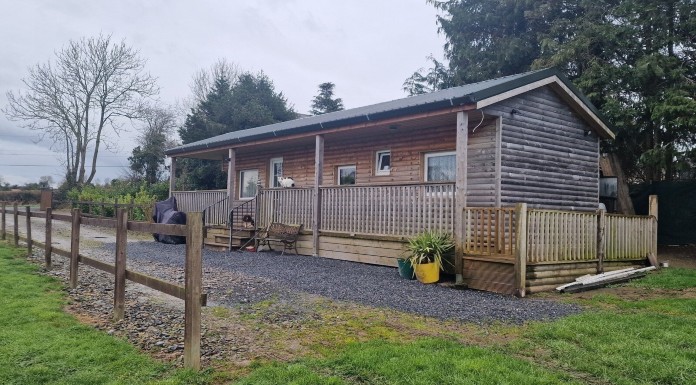
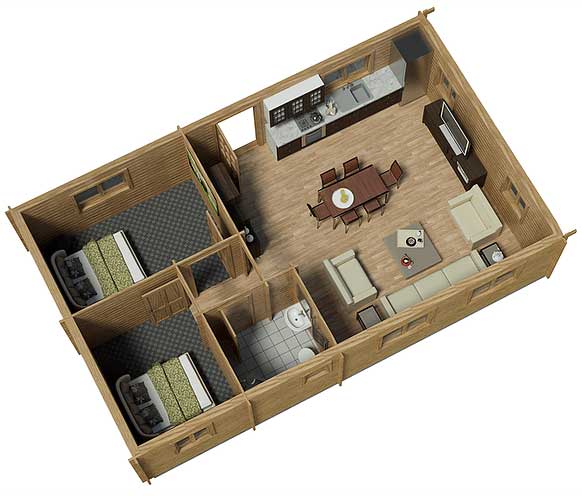
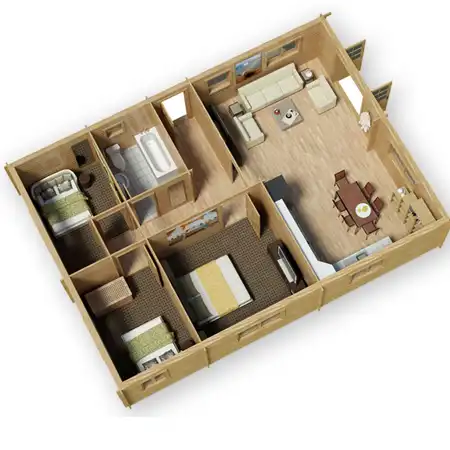
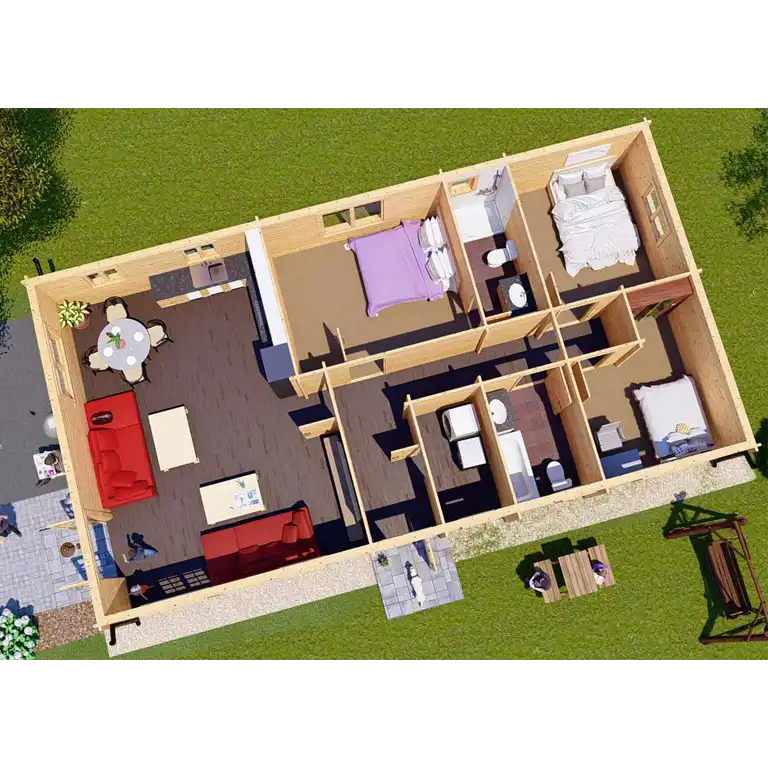
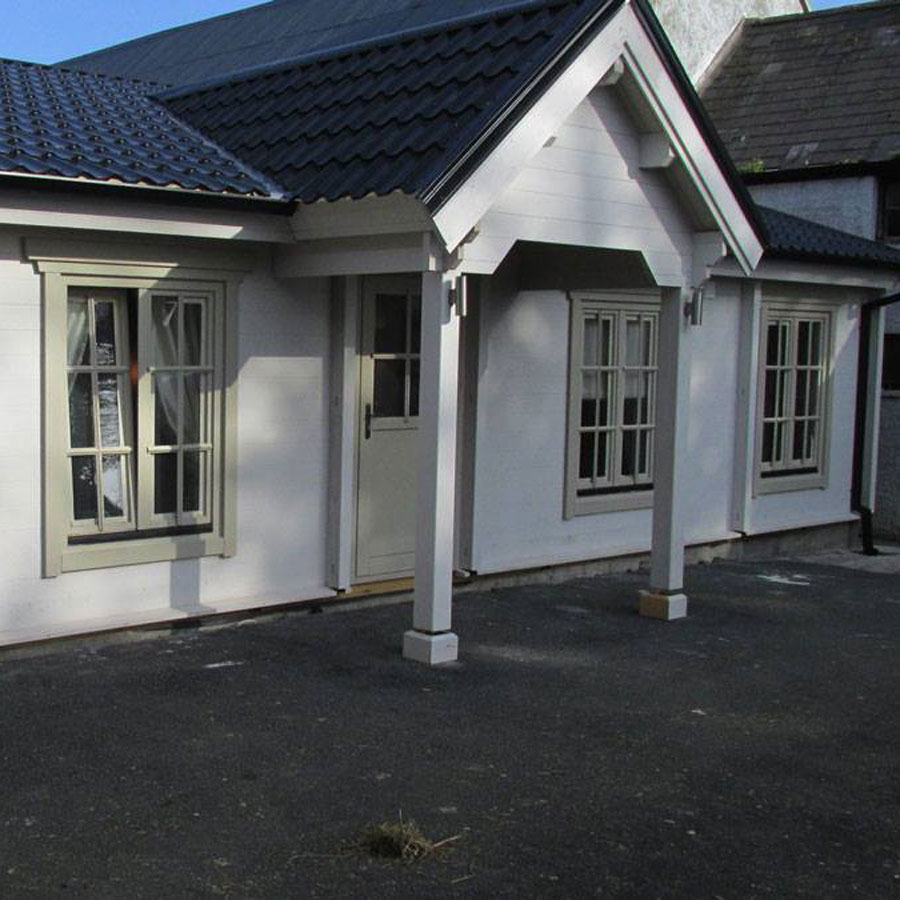
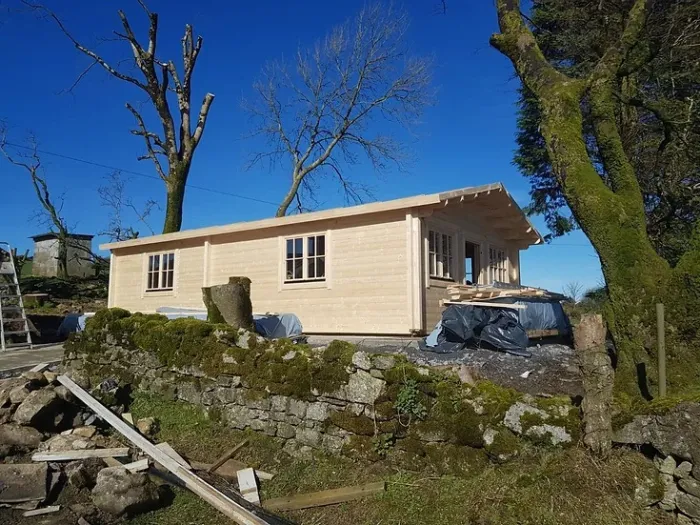
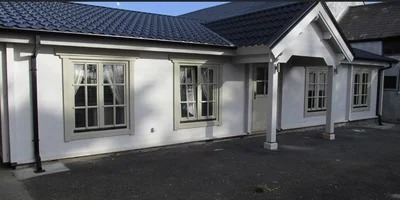
Kilmore Two Bedroom Log Cabin

The housing crisis is a pressing issue that demands immediate attention. A potential solution that has been gaining momentum is the use of log cabins. These structures offer a sustainable and cost-effective alternative to traditional homes, while also showcasing a unique aesthetic appeal. With their versatility and environmentally friendly features, log cabins could hold the key to alleviating the housing shortage and creating a more balanced market.

Residential Log Cabins

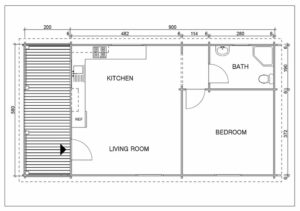
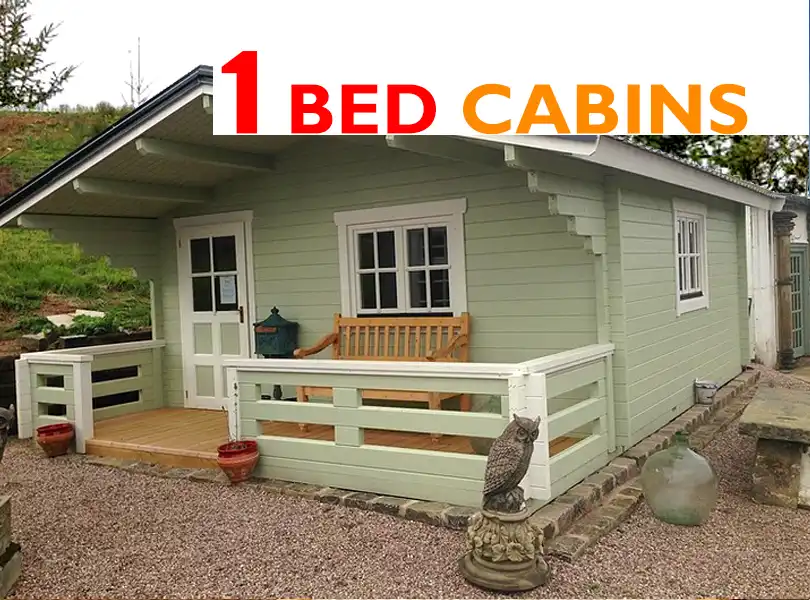
We have a wide range of log cabins at Timber Living, from one bed log cabin granny flats, through two bed log cabin starter homes to three bed log cabins, all of which are ideal for residential use.

With double wall insulation, PVC windows and doors and a well-insulated, pressed aluminium, tile-effect roof, thee cabins will certainly last a lifetime. In the video below you can see Dermot Bannon saying that your log cabin can last a lifetime, “and all you have to do is re-paint it. You know, timber doesn’t rot if it’s built properly.”

Planning for a Housing Crisis

It seems half the nation is consumed with the housing crisis. We nearly spend more time talking about the housing crisis with visitors to our show cabins than we spend talking about he cabins themselves! But, I suppose it’s only natural. The cost of building in Ireland has gone through the roof (if you’ll excuse the pun!) And people are extremely worried about their own ability to put a roof over their heads, or over their children’s heads.

What's the solution to the housing crisis?
What is the solution to the housing crisis?

Rent Control?

The Irish Government’s Rent Control Scheme has been a complete disaster. The clue is in the title – rent control. Sure, the rents have not been controlled at all! Rents increased by 11% in new tenancies in 2023. ELEVEN PER CENT! Some control!

Talk to your TDs

Far be it from us to push anything political here, but we all need to contact our TDs and ask them what they plan to do to alleviate the housing crisis in their area. Let them know that log cabins are certainly an affordable option for building, and that a serious approach needs to be taken by them and the planners to find a way to make house construction cheaper.

There are a number of modifications that can be made to our standard log cabins to make them more appealing to planners.

  • Increase the wall, floor and roof insulation. (This is very straightforward, although it does, of course, increase the overall cost of the cabin.)
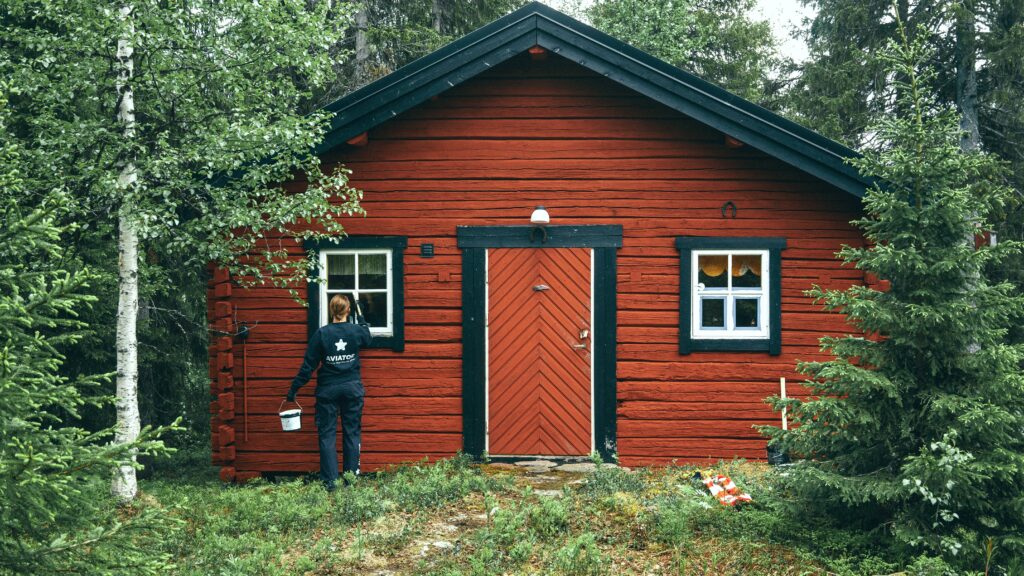
  • Use external insulation. The result of this is two-fold: increasing insulation, and protecting the external timber from the elements. (As you can see from the video above, the timber is perfectly well able to withstand the elements, if treated properly (every four years or so). But with external insulation, there is no need to for any treatment after construction.
  • Change the roof pitch. (This is just to make the log cabins look more like the “vernacular”. (Not necessary, but it might be a demand of the planners.)
  • Removal of the pronounced overhang at the front of the cabin. (Again, and aesthetic detail which might be a requirement for planning.)

In conclusion, yes, our cabins are an ideal solution to the housing crisis. We might say that is is not a “housing” crisis per se, but a crisis of poor management and governance in this country.

/

Posted on Leave a comment

Affordable Log Cabins? What to look for…

Affordable log cabins may offer cost savings compared to traditional houses, but it is important to ensure that you are getting value for your investment. To aid in your decision-making process, here is a checklist of key factors to consider when purchasing a log cabin, whether you’re looking for a one bed granny flat, two bed starter home or three bed residential log cabins.

When purchasing an affordable log cabin, it is crucial to carefully consider several factors to ensure a worthwhile investment. First and foremost, assess the quality of materials used in the construction of the cabin to guarantee durability and longevity. Furthermore, carefully evaluate the layout and design of the cabin to ensure it meets your specific requirements and preferences. Lastly, consider the location and surroundings of the cabin to ensure it aligns with your desired lifestyle and offers the desired amenities and accessibilities.

Building a log cabin
Building an affordable log cabin

Affordable log cabin materials

There are four main materials used in your log cabin, which you should examine closely when buying an affordable log cabin.

  • Timber
  • Windows/Doors
  • Insulation
  • Roof cover
Optional window heights on your log cabin
Timber windows with lowered sills

Affordable log cabin Materials

Timber: Check the quality of the timber used in the construction of the log cabin. It should be well finished inside and out. There should be no cracks or twists in the timber. Check the ends to ensure they are smooth and well-machined. Be sure that the log ends at the corners of your buildings are boxed in and not exposed to the elements. Your timber base should be over-hanging the concrete foundation, so there is no chance of water pooling a the foot of your cabin.

Windows and doors, Insulation, Roof Cover

We offer both timber and PVC windows and doors in our log cabins. You can see the options in our blog post – Which Windows for your Log cabin.

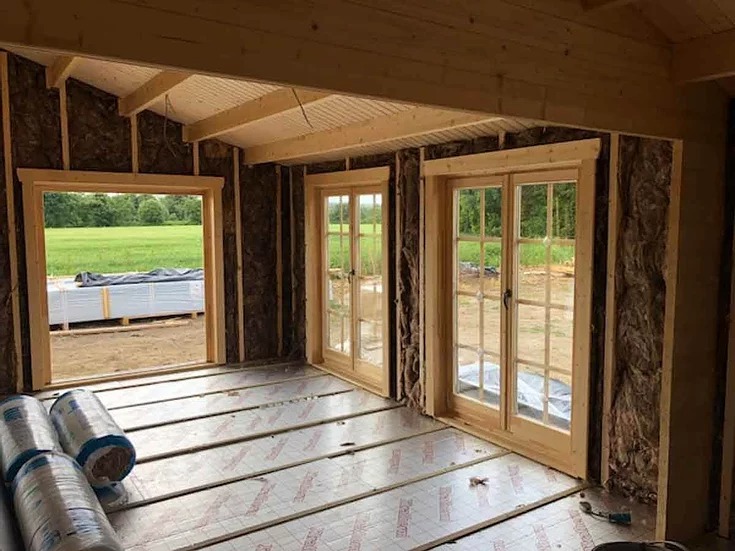
Log Cabin Construction - interior showing floor and wall insulation
Interior of log cabin construction showing wall and floor insulation

Insulation is, of course, important in your log cabin. Firstly, you should have a double-wall log cabin. If someone is trying to sell you a single wall, 90mm think log cabin for long-term living, walk away! Also, be sure that you are getting Kingspan insulation in the floor. Rockwool insulation, on top of a concrete base, will get wet in damp weather and will completely ruin your cabin.

Roof cover should be light and durable. Your cabin will not be strong enough to hold solid tiles. And tiles are expensive to buy and expensive to fit. Tile effect roofing sheets are the perfect. long-lasting and aesthetically pleasing solution to roofing an affordable log cabin.

Layout and design –


Layout and Design: Evaluate the cabin’s layout and design to ensure it meets your requirements.
Location and Surroundings: Consider the cabin’s location and surroundings for lifestyle compatibility.
Amenities and Accessibilities: Ensure the cabin offers desired amenities and accessibilities for convenience.

Posted on Leave a comment

Enhancing Log Cabin Durability: Expert Weatherproofing Tips

Introduction

Understanding the Importance of Log Cabin Weatherproofing

Limerick log cabin in snow

Ensuring the best level of of log cabin durability is crucial for maintaining their structural integrity. Expert weatherproofing tips can greatly enhance the resilience of these structures, protecting them from the harsh elements. By implementing proper weatherproofing techniques, log cabin owners can prolong the lifespan of their cabins and enjoy them for years to come.

1. Choosing the Right Wood for Weather Resistance

Enhancing the durability of log cabins is essential to maintain their structural integrity. Expert weatherproofing tips play a significant role in protecting these structures from the harsh elements. By selecting the appropriate wood with weather resistance properties, log cabin owners can greatly enhance their cabins’ resilience, ensuring their longevity and enjoyment for years to come.

2. Proper Log Cabin Foundation and Construction

2.1 Ensuring Level Ground and Adequate Drainage

Ensuring the foundation and construction of log cabins is done properly is crucial for their resilience. Expert weatherproofing tips can greatly enhance the durability of these structures, protecting them from the harsh elements. It is important to ensure level ground and adequate drainage during the construction process to prevent water damage and maintain the integrity of the log cabin for years to come.

2.2 Using Quality Insulation Materials

2.2 Using quality insulation materials is essential for log cabins. Proper insulation not only helps regulate temperature and reduce energy consumption, but also enhances the overall durability and longevity of the cabin. By selecting high-quality insulation materials, log cabin owners can effectively protect their structures from external weather conditions and ensure a comfortable living environment inside.

3. Effective Log Cabin Roofing Techniques

3.1 Selecting Durable Roofing Materials

3.1 Selecting durable roofing materials is crucial for log cabins. At Timber Living we use a tile effect aluminium roofing which is light and extremely durable. it is coated with a black coating, and because it is aluminium, it will not rust. This will significantly enhance the longevity of the cabin’s roof and protect it from weather-related damage. By prioritizing durability and weather resistance when choosing roofing materials, log cabin owners can ensure the long-term structural integrity of their cabins.

4. Sealants and Preservatives for Long-lasting Log Cabins

4.1 Choosing the Right Treatment for Log Cabin Walls

4.1 Choosing the right treatment for log cabin walls is essential to maintain their longevity. It is important to select a high-quality sealant that offers protection against moisture, UV rays, and other environmental factors. By using the appropriate sealant, log cabin owners can ensure the durability and long-lasting beauty of their structures. You can read our blog about treating your log cabin walls here.

4.2 Applying Preservatives for Enhanced Durability

4.2 Applying preservatives for enhanced durability is crucial in maintaining the longevity of log cabins. By regularly applying high-quality preservatives, log cabin owners can protect the wood from rot, insect infestation, and UV damage. This not only extends the lifespan of the cabins but also preserves their natural beauty for years to come. We recommend a double coat of any good clear preservative (such as Cuprinol clear wood preservative) before you apply your first coat of stain.

Conclusion

By prioritizing durability and weather resistance when choosing roofing materials, log cabin owners can ensure the long-term structural integrity of their cabins. Choosing the right sealant for log cabin walls is essential to maintain their longevity. It is important to select a high-quality sealant that offers protection against moisture, UV rays, and other environmental factors. Applying preservatives for enhanced durability is crucial in maintaining the longevity of log cabins. By regularly applying high-quality preservatives, log cabin owners can protect the wood from rot, insect infestation, and UV damage. This not only extends the lifespan of the cabins but also preserves their natural beauty for years to come.

Keeping Your Log Cabin Protected and Durable

Posted on Leave a comment

Crafting Haven: Creating a Log Cabin Crafting Oasis

Exploring the potential of your log cabin

Transforming your garden log cabin into a log cabin crafting oasis requires careful consideration and planning. First, envision how you want to use the space. Will it be an artist’s studio, a writing retreat, or a cosy reading nook? Next, think about the layout and design elements that will enhance the ambiance. Consider adding large windows to let in natural light, installing built-in shelves for storage and display, and incorporating comfortable seating options. Finally, don’t forget to personalize the space with décor that reflects your unique style and inspires creativity. With these steps, you can create a heavenly haven in your garden log cabin that nurtures your artistic pursuits.

1. Designing the Perfect Layout

Log Cabin crafting room

Maximizing the available space

When designing the perfect layout for your garden log cabin, it’s essential to maximize the available space. Consider utilizing multi-functional furniture pieces that can serve multiple purposes, such as a desk that doubles as a storage unit or a sofa bed for accommodating guests. Additionally, strategic placement of furniture can help create distinct zones within the cabin, delineating areas for work, relaxation, and storage. Don’t forget to leave enough open floor space to allow for easy movement and ensure a comfortable and functional environment.

Incorporating storage solutions

When it comes to incorporating storage solutions in your garden log cabin, think creatively. Utilize vertical wall space by installing shelves or hanging organizers to keep your art supplies neatly organized. Invest in storage boxes or bins that can be tucked away under furniture or stacked in corners to maximize space. Consider built-in storage solutions like cabinets or drawers to keep your cabin clutter-free and ensure everything has its place. Don’t forget to label your storage containers for easy identification and access to your materials. By incorporating these storage solutions, you can maintain a tidy and efficient workspace in your garden log cabin.

2. Enhancing the Aesthetics

When it comes to choosing appropriate furnishings for your garden log cabin, opt for pieces that complement the overall aesthetic and theme of the space. Consider selecting durable outdoor furniture that can withstand the elements and provide comfort for relaxation. Incorporate cozy seating options such as a garden sofa or armchairs, and add a coffee table or side tables for practicality. Don’t forget to include decorative elements like cushions, throws, and rugs to enhance the visual appeal and create a cozy atmosphere. By carefully selecting and arranging your furnishings, you can create an inviting and aesthetically pleasing environment in your garden log cabin.

Adding decorative elements

By incorporating these storage solutions, you can maintain a tidy and efficient workspace in your garden log cabin. Enhancing the aesthetics of your garden log cabin is crucial for creating an inviting and visually appealing space. When choosing appropriate furnishings, consider pieces that complement the overall aesthetic and theme of the cabin. Opt for durable outdoor furniture that can withstand the elements while providing comfort for relaxation. Include cozy seating options such as a garden sofa or armchairs, and add practicality with a coffee table or side tables. Don’t forget to enhance the visual appeal with decorative elements like cushions, throws, and rugs, creating a cozy atmosphere in your garden log cabin.

3. Equipping Your Log Cabin Crafting Station

Investing in quality tools and materials

Investing in high-quality tools and materials is crucial for equipping your log cabin crafting station. Quality tools ensure precision and durability, resulting in better craftsmanship. Similarly, using top-notch materials enhances the overall quality and longevity of your crafted items. Therefore, it is essential to prioritize investing in quality tools and materials for a well-equipped log cabin crafting station.

Bringing the outdoors in

Bringing the outdoors in is a great way to incorporate natural elements into your log cabin. Use large windows or glass doors to let in ample natural light and provide beautiful views of the surrounding landscape. Additionally, consider using natural materials like wood, stone, or rattan for furniture and decor to create a seamless connection with the outdoors. Adding plants and flowers can further enhance the natural ambiance and contribute to a refreshing and tranquil atmosphere in your log cabin.

Utilizing natural lighting

When designing your log cabin, make sure to take advantage of natural lighting. Opt for large windows and skylights to maximize the amount of sunlight that enters the space. Not only does natural lighting create a warm and inviting atmosphere, but it also helps save energy by reducing the need for artificial lighting during the day. Consider strategically placing mirrors to reflect and amplify the natural light, making your log cabin feel even brighter and more spacious. By utilizing natural lighting, you can create a cosy and well-lit environment that truly embraces the beauty of the outdoors.

Posted on Leave a comment

Transforming Your Log Cabin into a Personal Yoga Studio

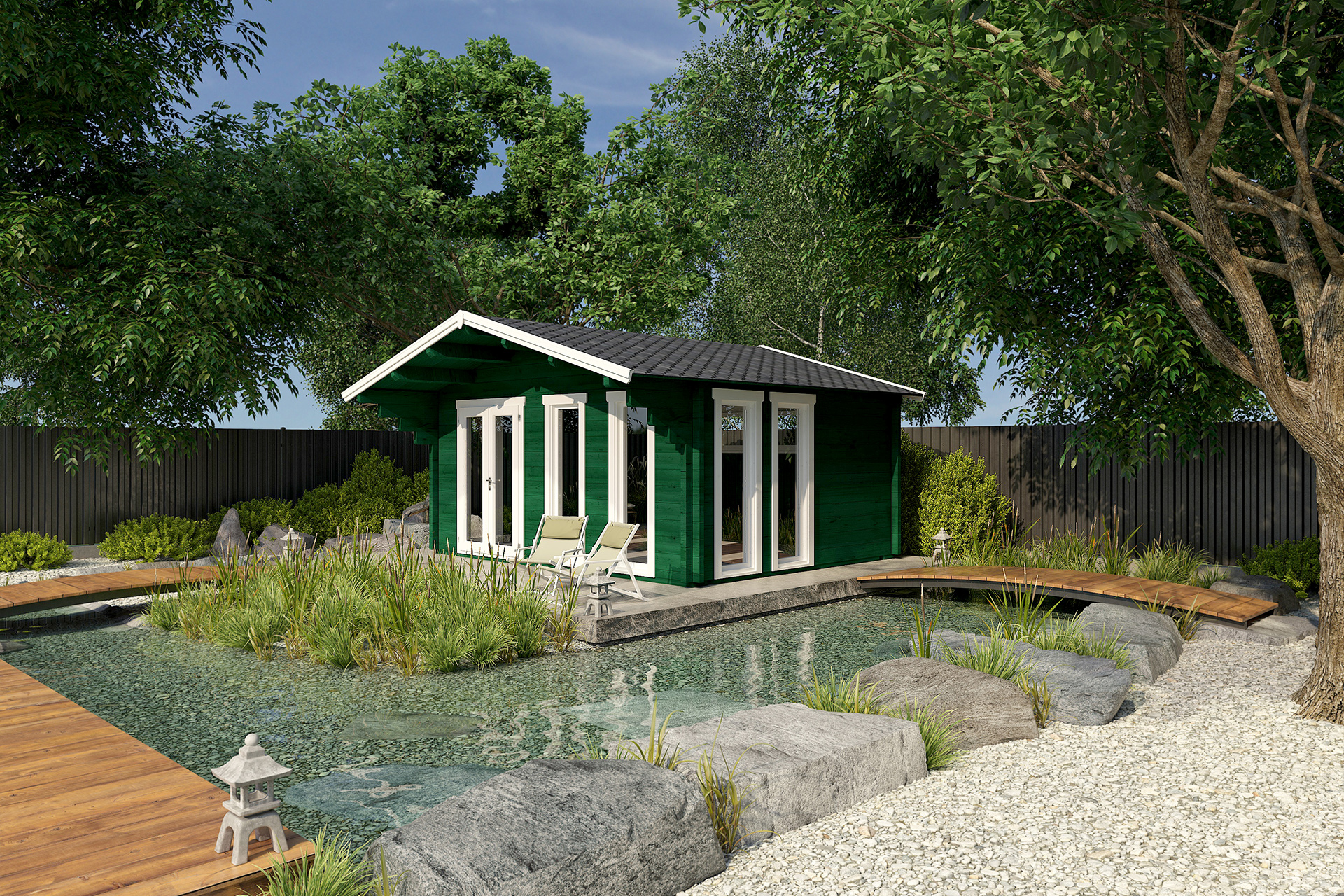
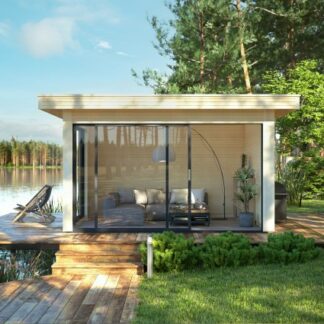
Nila Personal Yoga Studio

Introduction

Transforming your log cabin into a personal yoga studio can provide a serene and dedicated space for your practice. With a few simple adjustments, you can create an environment that promotes relaxation and mindfulness. Consider adding large windows to let in natural light and connect with the surrounding nature. Opt for calming colours and minimalistic decor to enhance the peaceful atmosphere. Invest in high-quality yoga props and a comfortable mat to ensure a comfortable practice. By making these changes, you can turn your log cabin into a tranquil sanctuary for your yoga journey.

Step 1: Choosing the Perfect Log Cabin

Factors to consider

Transforming your log cabin into a personal yoga studio requires careful consideration of several factors. Firstly, choose a log cabin that offers ample space to accommodate your yoga practice comfortably. Ensure that it has sufficient height for standing postures and enough floor area for different poses. Additionally, consider the location of the log cabin, as having a peaceful and quiet environment is essential for a serene yoga experience. Finally, assess the condition of the log cabin and ensure it is structurally sound before proceeding with the transformation.

Customers’ Favourite Personal Yoga Studio Log Cabin

When our customers come to us looking for a log cabin as a personal yoga studio or personal space, they more than likely will choose our NIDA Garden log cabin. The initial visual impact from the outside, with the big windows and verandah starts the sale, and once inside, the large windows lend a great feeling of openness and brightness helping to close.

This cabin is available in a wide range of sizes, and comes with floor and roof insulation – all the boxes ticked for the perfect yoga studio cabin for you.

Step 1: Choosing the Perfect Log Cabin


When selecting a log cabin for your yoga studio, consider factors such as size, location, and accessibility. Ensure that the cabin has enough space to comfortably accommodate your yoga practice and any additional equipment. Look for a location that provides privacy and a beautiful natural backdrop for a serene experience. Additionally, consider the ease of access to amenities such as water and electricity to meet your needs.

Step 2: Preparing the Space


Before setting up your yoga studio, it’s crucial to clean and declutter the log cabin thoroughly. Create a clean and inviting space by dusting surfaces, sweeping the floors, and removing any unnecessary items. This will help create a calm and organized environment that promotes focus and relaxation during your yoga sessions. Consider using natural cleaning products to maintain a healthy and toxin-free space.

Step 3: Setting up the Yoga Studio

Once the space is clean, it’s time to set up your yoga studio. Start by arranging your yoga mat in the centre of the room, ensuring there is enough space around it for movement. Place any necessary yoga props, such as blocks, straps, or bolsters, within easy reach. Consider adding a small table or shelf to hold essential items like water, towels, and candles for a soothing ambience. Arrange the lighting to create a gentle and warm atmosphere, avoiding harsh overhead lights. Finally, add some personal touches such as plants, inspirational artwork, or a meditation cushion to make the space feel welcoming and personal.

Step 4: Creating a Relaxing Ambiance

To enhance the tranquil atmosphere, focus on creating a relaxing ambience in your log cabin yoga studio. Use soft, neutral colours for the walls and select natural materials for furniture and décor. Incorporate elements of nature by placing indoor plants or flowers in the space. Consider playing calming music or nature sounds during your practice to enhance the soothing environment further. Ensure the temperature in the cabin is comfortable, not too hot or cold, to support a relaxed and enjoyable experience.

Step 5: Maintaining the Space

Regularly maintain your log cabin yoga studio to ensure it remains a peaceful sanctuary. Clean the space regularly, dusting surfaces, and sweeping the floors. Keep your yoga props organized and in good condition. Replace any worn-out items and replenish supplies as needed. Take a few moments before and after each practice to set an intention and express gratitude for the space you have created. By taking care of your log cabin yoga

Creating a calming atmosphere

Incorporate elements of nature by placing indoor plants or flowers in the space. Consider playing calming music or nature sounds during your practice to enhance the soothing environment further. Ensure the temperature in the cabin is comfortable, not too hot or cold, to support a relaxed and enjoyable experience. Regularly maintain your log cabin yoga studio to ensure it remains a peaceful sanctuary. Clean the space regularly, dusting surfaces, and sweeping the floors. Keep your yoga props organized and in good condition. Replace any worn-out items and replenish supplies as needed. Take a few moments before and after each practice to set an intention and express gratitude for the space you have created. By taking care of your log cabin yoga.

Step 6: Designing the Interior

The power of natural light

Consider playing calming music or nature sounds during your practice to enhance the soothing environment further. Ensure the temperature in the cabin is comfortable, not too hot or cold, to support a relaxed and enjoyable experience. Regularly maintain your log cabin yoga studio to ensure it remains a peaceful sanctuary. Clean the space regularly, dusting surfaces, and sweeping the floors. Keep your yoga props organized and in good condition. Replace any worn-out items and replenish supplies as needed. Take a few moments before and after each practice to set an intention and express gratitude for the space you have created. By taking care of your log cabin yoga studio, you can continue to enjoy the power of natural light and create a calming atmosphere for your practice.

Comfortable seating and relaxation areas

Create comfortable seating and relaxation areas within your log cabin yoga studio.

Invest in cosy chairs, cushions, and blankets to provide a space for students to unwind and rest.

Arrange the seating in a way that promotes relaxation and encourages conversation and connection.

Consider adding soft lighting or candles to enhance the calming ambience in these areas.

Regularly clean and maintain the seating and relaxation areas to ensure they remain inviting and comfortable for your students.

Use an online yoga instructor. Some people really benefit from yoga instruction, rather than going it alone. There are lots of online services available. Alaya Yoga was mentioned by one of our customers.

Conclusion

In conclusion, by setting intentions and expressing gratitude, taking care of your yoga studio, and creating comfortable seating and relaxation areas, you can cultivate a serene and welcoming environment for your students to practice and unwind.

Embrace the unconventional!

Embrace the unconventional by incorporating unique and creative elements into your log cabin yoga studio design.

Consider adding natural elements such as potted plants, rocks, or even a small indoor waterfall to bring a touch of nature indoors.

Experiment with different colour schemes and textures to create an inviting and visually stimulating space.

Incorporate artwork or inspirational quotes that resonate with the yoga philosophy and promote positive energy.

Don’t be afraid to think outside the box and incorporate unconventional yoga props or equipment that can enhance the practice and add a fun twist to your classes.

By embracing the unconventional, you can create a truly one-of-a-kind yoga studio experience for your students, leaving a lasting impression and inspiring them on their wellness journey.

Posted on Leave a comment

Creating a Productive Work Environment: Transforming Your Garden Cabin into a Home Office

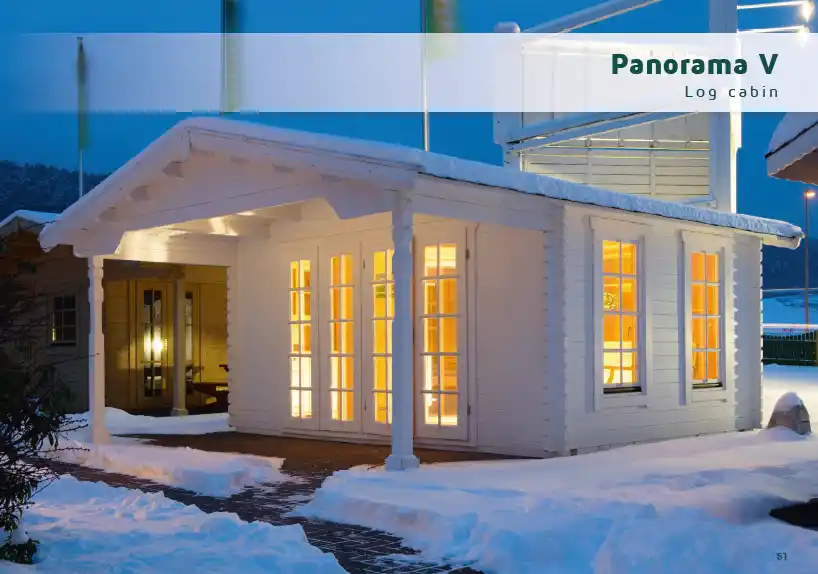
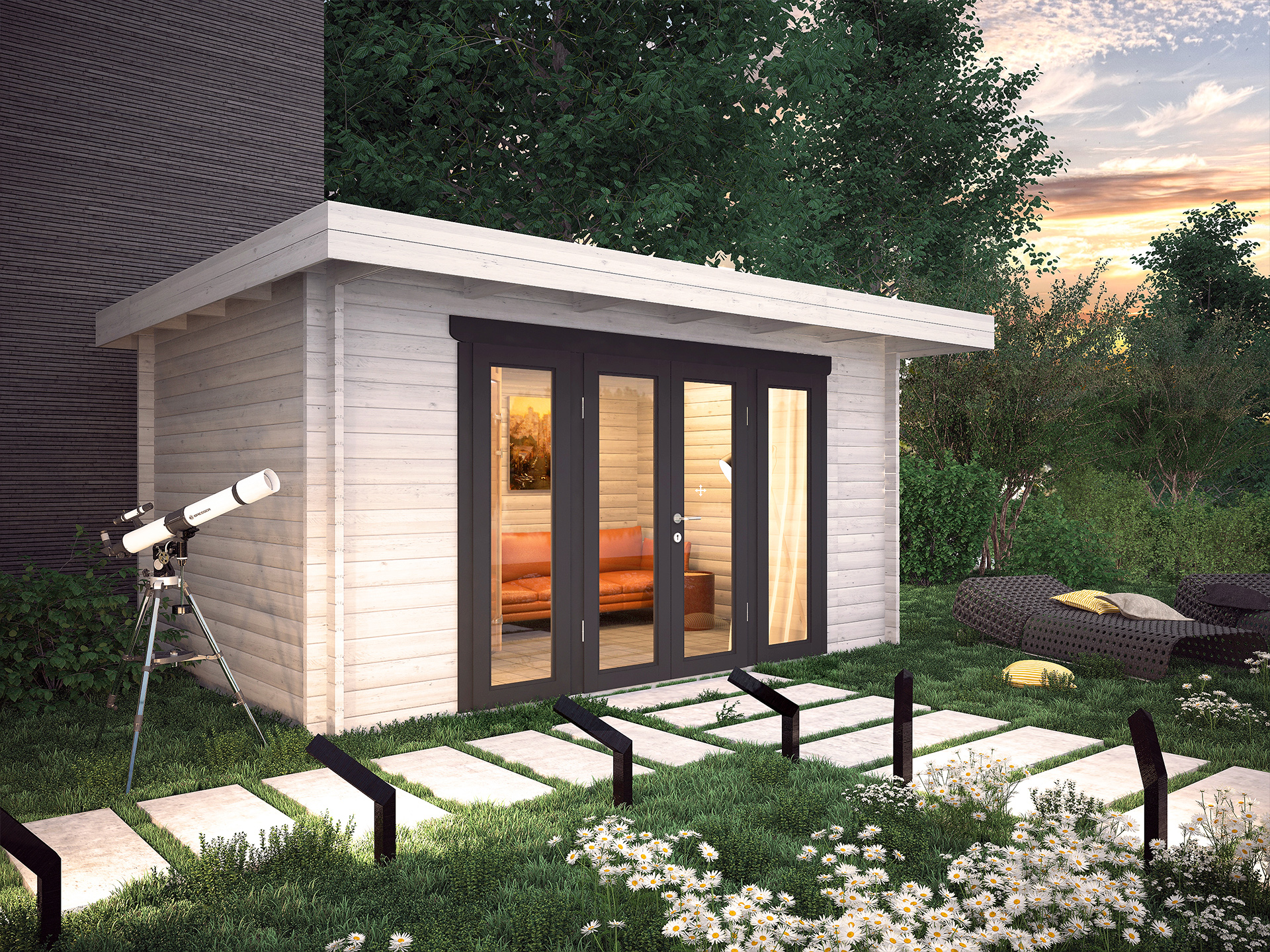
Panorama Garden Home Office in white with greay windows

I. Introduction

Transform your garden cabin into a functional and professional home office. Utilize the space efficiently by adding a desk, comfortable seating, and adequate storage solutions. Create a conducive work environment by ensuring proper lighting, ventilation, and privacy. Enjoy the convenience and productivity of a dedicated home office in the comfort of your own backyard.

Interior design trends for log cabins

Utilize the natural surroundings to inspire creativity and enhance your focus. Incorporate elements of nature in your office design, such as potted plants or a picturesque view. Make use of technology to stay connected and productive, with reliable Wi-Fi and necessary equipment. Personalize your space with motivational artwork or photos that reflect your professional goals. With a well-designed garden cabin home office, you can achieve work-life balance while enjoying the tranquillity of nature.

II. Benefits of Having a Home Office

1. Increased productivity

Utilize the space efficiently by adding a desk, comfortable seating, and adequate storage solutions. Create a conducive work environment by ensuring proper lighting, ventilation, and privacy. Enjoy the convenience and productivity of a dedicated home office in the comfort of your own backyard. Utilize the natural surroundings to inspire creativity and enhance your focus.

2. Improved work-life balance

With a well-designed garden cabin home office, you can achieve improved work-life balance effortlessly. By utilizing the space efficiently and creating a conducive work environment, you can enjoy the convenience and productivity of a dedicated home office right in your own backyard. Take advantage of the tranquillity of nature and the flexibility of remote work to find harmony between your professional and personal life.

3. Cost savings

Cost savings can be achieved by setting up a garden cabin home office. By utilizing the space efficiently with a desk, comfortable seating, and adequate storage solutions, you can create a productive workspace without incurring additional rental costs. Additionally, working from home eliminates commuting expenses and allows you to save on daily expenses associated with office-based work. Enjoy the financial benefits of a cost-effective home office while maintaining a professional work environment.

III. Assessing Your Garden Cabin

1. Evaluating available space

Evaluate the available space in your backyard to determine if it can accommodate a garden cabin home office.

Consider the dimensions and layout of the space to ensure it is suitable for your work needs.

Take into account any existing structures or obstacles that may impact the installation of the garden cabin.

Measure the area accurately to determine the size and design options that will fit within the available space.

Ensure that there is sufficient clearance and access for construction and future maintenance of the garden cabin.

2. Designing a functional layout

Assess the insulation and ventilation needs of your garden cabin to create a comfortable and productive work environment.

Choose insulation materials that are appropriate for your climate to maintain a consistent temperature inside the cabin.

Consider installing windows, skylights, or vents to allow for proper airflow and ventilation.

Design a layout that optimizes space and functionality for your specific work requirements.

Consider the placement of furniture, storage solutions, and equipment to create an efficient and organized workspace.

Ensure that the layout allows for natural light to enhance productivity and create a pleasant working atmosphere.

IV. Essential Elements for a Productive Home Office

1. Ergonomic furniture and equipment

2. Adequate lighting

Assess the insulation and ventilation needs of your garden cabin to create a comfortable and productive work environment. Choose insulation materials that are appropriate for your climate to maintain a consistent temperature inside the cabin. Consider installing windows, skylights, or vents to allow for proper airflow and ventilation. Design a layout that optimizes space and functionality for your specific work requirements. Consider the placement of furniture, storage solutions, and equipment to create an efficient and organized workspace. Ensure that the layout allows for natural light to enhance productivity and create a pleasant working atmosphere.

3. Effective storage solutions

Assess the insulation and ventilation needs of your garden cabin to create a comfortable and productive work environment. Choose insulation materials that are appropriate for your climate to maintain a consistent temperature inside the cabin. Consider installing windows, skylights, or vents to allow for proper airflow and ventilation. Design a layout that optimizes space and functionality for your specific work requirements. Consider the placement of furniture, storage solutions, and equipment to create an efficient and organized workspace. Ensure that the layout allows for natural light to enhance productivity and create a pleasant working atmosphere. Heading: IV. Essential Elements for a Productive Home Office Heading: 1. Ergonomic furniture and equipment Heading: 2. Adequate lighting Heading: 3. Effective storage solutions

V. Creating a Distraction-Free Environment

1. Soundproofing techniques

Assess the insulation and ventilation needs of your garden cabin to create a comfortable and productive work environment. Choose insulation materials that are appropriate for your climate to maintain a consistent temperature inside the cabin. Consider installing windows, skylights, or vents to allow for proper airflow and ventilation. Design a layout that optimizes space and functionality for your specific work requirements. Consider the placement of furniture, storage solutions, and equipment to create an efficient and organized workspace. Ensure that the layout allows for natural light to enhance productivity and create a pleasant working atmosphere.

2. Managing external distractions

Choose insulation materials that are appropriate for your climate to maintain a consistent temperature inside the cabin. Consider installing windows, skylights, or vents to allow for proper airflow and ventilation. Design a layout that optimizes space and functionality for your specific work requirements. Consider the placement of furniture, storage solutions, and equipment to create an efficient and organized workspace. Ensure that the layout allows for natural light to enhance productivity and create a pleasant working atmosphere.

3. Establishing boundaries

Choose insulation materials that are appropriate for your climate to maintain a consistent temperature inside the cabin. Consider installing windows, skylights, or vents to allow for proper airflow and ventilation. Design a layout that optimizes space and functionality for your specific work requirements. Consider the placement of furniture, storage solutions, and equipment to create an efficient and organized workspace. Ensure that the layout allows for natural light to enhance productivity and create a pleasant working atmosphere.

VI. Enhancing the Ambiance

1. Choosing the right colour scheme

Consider incorporating plants and greenery to add a touch of nature and increase air quality.

Select artwork or decor that inspires creativity and motivation within your workspace.

Utilize adjustable lighting options to create different atmospheres for different tasks.

Invest in a comfortable and supportive chair to promote good posture and reduce back strain.

Implement a designated area for relaxation or breaks to recharge and rejuvenate during the workday.

2. Incorporating plants and natural elements

Consider adding elements of artwork or personal decorations to make the space feel inviting and inspiring.

Invest in a comfortable and supportive chair to prioritize your physical well-being during long work hours.

Create a designated area for breaks and relaxation, such as a cozy reading nook or a small meditation corner.

Strategically place electrical outlets and ensure easy access to power sources for your electronic devices.

Consider incorporating technology that promotes productivity, such as a dual-monitor setup or a wireless printer.

Ensure that your home office is well-insulated and soundproofed to minimize distractions from outside noise.

Implement a system for managing cables and cords to keep your workspace organized and free from clutter.

Make use of natural scents or essential oils to create a calming and focused environment.

Consider investing in a whiteboard or bulletin board for visual organization and task management.

Finally, regularly assess and adjust your home office setup to meet your evolving needs and optimize your productivity.

3. Personalizing the space

Create a designated area for breaks and relaxation, such as a cosy reading nook or a small meditation corner. Strategically place electrical outlets and ensure easy access to power sources for your electronic devices. Consider incorporating technology that promotes productivity, such as a dual-monitor setup or a wireless printer. Ensure that your home office is well-insulated and soundproofed to minimize distractions from outside noise. Implement a system for managing cables and cords to keep your workspace organized and free from clutter.

X. Conclusion

In conclusion, by following these tips for setting up your home office, you can create a productive and comfortable workspace that supports your work-from-home lifestyle. Remember to prioritize ergonomics, personalize the space to your liking, and invest in organizational tools. Regularly assess and adjust your setup to accommodate your evolving needs, and don’t forget to create a designated area for breaks and relaxation. With careful planning and attention to detail, your home office can become a space that enhances your productivity and overall well-being.

You can see examples of our Garden Home Office Cabins at any of our showrooms, nationwide.

Posted on Leave a comment

using tung oil or linseed oil to protect wood

tungoil PAINTING

Understanding the characteristics of Tung Oil and Linseed Oil

Tung oil and linseed oil are two popular choices for protecting and enhancing the natural beauty of wood. Tung oil is extracted from the nuts of the tung tree, while linseed oil is made from flax seeds. Both oils have unique characteristics that make them suitable for different applications.

Tung oil is known for its water-resistant properties, making it an excellent choice for outdoor furniture and other exterior wood projects, including log cabins and saunas. It also has a faster drying time than raw linseed oil and does not have the same yellowing effect, making it a good substitute for linseed oil on lighter woods such as maple. Additionally, tung oil is more durable than linseed oil and can provide a longer-lasting protective coating for wood surfaces.

Linseed oil is a popular choice for enhancing the natural beauty of wood and providing a protective finish. It has a slower drying time than tung oil, which allows it to penetrate deeper into the wood surface and provide better protection against moisture and other environmental factors. However, linseed oil can yellow over time, which may not be desirable for certain wood projects. Ultimately, the choice between tung oil and linseed oil will depend on the specific needs and preferences of the individual user.

Applying Tung Oil and Linseed Oil to Wooden Surfaces

Before applying either tung oil or linseed oil to wooden surfaces, it is important to properly clean and prepare the surface to ensure the best results. This involves removing any existing finishes or coatings, sanding the surface with fine-grit sandpaper, and wiping it down with a clean, damp cloth to remove any dust or debris. It is also important to ensure that the surface is completely dry before applying any oil.

Tung oil is a popular choice for protecting wooden surfaces due to its durability and water-resistant properties. To apply tung oil, it is recommended to use a clean, lint-free cloth or brush to evenly apply a thin layer of oil to the surface of the wood. It is important to avoid applying too much oil, as this can result in a sticky or tacky finish. After applying the first coat, allow it to dry completely before lightly sanding the surface with a fine-grit sandpaper and applying additional coats as needed.

Which is more durable – linseed oil or tung

Linseed oil is another option for protecting wooden surfaces, although it is not as durable as tung oil. To apply linseed oil, it is recommended to use a clean, lint-free cloth or brush to apply a thin layer of oil to the surface of the wood. Like with tung oil, it is important to avoid applying too much oil, as this can result in a sticky or tacky finish. After applying the first coat, allow it to dry completely before lightly sanding the surface with a fine-grit sandpaper and applying additional coats as needed. It is important to note that linseed oil can take longer to dry than tung oil, so patience is key when using this type of oil as a wood protector.

Maintaining and Caring for Wood Treated with Tung Oil or Linseed Oil

Maintaining and caring for wood treated with tung oil or linseed oil is essential to ensure its longevity and beauty. Regular cleaning and dusting are important to keep the wood looking its best and to prevent the build-up of dirt and grime. This can be done by using a soft, dry cloth or a vacuum cleaner with a soft brush attachment to remove any dust or debris. It is important to avoid using water or harsh chemicals as this can damage the wood and remove the protective layer of oil. By regularly cleaning and dusting the wood, it will maintain its natural beauty and shine

How often should you re-apply oil to timber?

Reapplying tung oil or linseed oil is necessary to maintain the protective layer on the wood. The frequency of reapplication depends on the amount of use and exposure to environmental factors such as sunlight and humidity. As a general rule, it is recommended to reapply tung oil or linseed oil every 6 to 12 months. When reapplying the oil, it is important to apply a light coat without any pooling and allow it to dry completely before using the wood again. This will ensure that the wood is properly protected and will maintain its beauty and durability for years to come

Properly storing tung oil and linseed oil is important to ensure their longevity and effectiveness. These oils should be stored in a cool, dry place away from direct sunlight and heat sources. It is also important to keep the oil containers tightly sealed to prevent air from entering, which can cause the oil to spoil. When stored properly, tung oil and linseed oil can last for several years and can be used to protect and beautify wood surfaces for a long time. By following proper storage techniques, individuals can ensure that they always have a supply of high-quality oil to protect their wood surfaces.

Posted on Leave a comment

Buying a sauna for home use

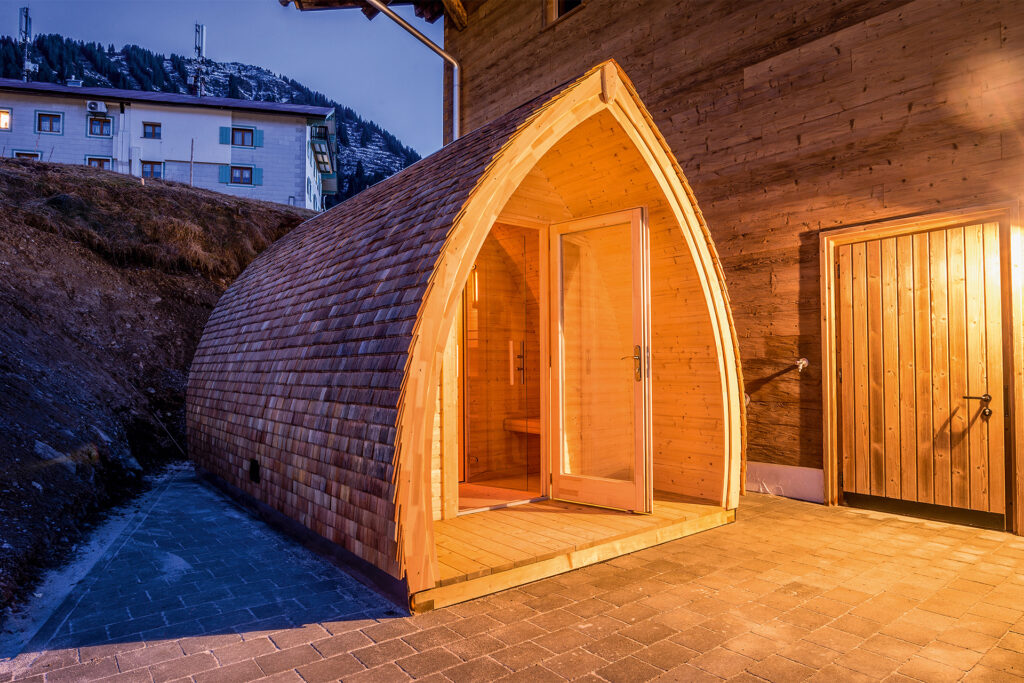
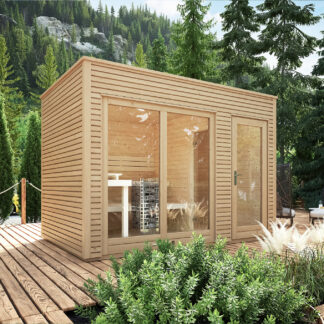
Joy One Outdoor Sauna

Buying a sauna for home use

Considerations before buying a sauna for home use

Before purchasing a sauna for home use, it is important to consider the available space and the size of the sauna. Saunas come in various sizes, and it is crucial to choose one that fits the available space in your home. Indoor traditional saunas are available in five sizes, ranging from 4×4 to 6×6 corner models, with a height of 80 inches. Additionally, it is important to ensure that the sauna has enough bench space for comfortable reclining. Ideally, a single person would need at least two feet or 24 inches of bench space to use the sauna comfortably. Therefore, it is essential to measure the available space and choose a sauna that fits comfortably without overcrowding the room.

Take a look at our outdoor range of saunas here.

What type of sauna?

The type of sauna is another crucial consideration when purchasing a sauna for home use. There are three main types of saunas: traditional, infrared, and steam. Traditional saunas use heated rocks to create steam, while infrared saunas use infrared heaters to emit radiant heat. Steam saunas, on the other hand, use a steam generator to create a humid environment. Infrared saunas are a good choice for indoor use as they usually have a smaller square footage and weigh less than traditional saunas. Therefore, it is important to consider the type of sauna that best suits your needs and preferences.

Budget and maintenance are also crucial considerations when purchasing a sauna. The cost of a sauna depends on its size, type, and quality of equipment, and options. Traditional saunas are typically more expensive than infrared saunas. Additionally, it is essential to consider the cost of installation and maintenance. The cost of maintaining a sauna depends on the type of sauna, frequency of use, and energy consumption. Infrared saunas are generally more energy-efficient and less expensive to maintain than traditional saunas. Therefore, it is important to choose a sauna that fits your budget and maintenance requirements.

Benefits of having a sauna at home

Having a sauna at home can provide numerous physical health benefits. Sauna therapy has been shown to aid in detoxification, improved circulation, and pain relief . Regular use of an infrared sauna has also been linked to relaxation and reduced muscle tension. In addition, sauna therapy can help improve cardiovascular health and boost metabolism. Overall, incorporating a sauna into one’s home can provide a range of physical health benefits that can contribute to overall well-being.

Sauna therapy is also known to have mental health benefits. Regular use of a sauna can help reduce stress and anxiety levels, leading to improved mental health. Saunas have been shown to help the body and mind adapt to stress, reducing the risk of depression and other mental disorders. Additionally, saunas can help improve sleep quality, leading to improved overall well-being. Incorporating a sauna into one’s home can provide a convenient and private space to practice sauna therapy, leading to improved mental health and relaxation.

The convenience and privacy of having a sauna at home is another benefit. Home saunas provide the luxury of a spa-like retreat in the comfort of one’s own home. Buying a sauna for home use also allows for customization to fit individual needs and preferences. However, it is important to consider factors such as budget, space, and type of sauna when making a purchase decision. Overall, the convenience and privacy of having a sauna at home can provide numerous physical and mental health benefits, making it a worthwhile investment for those seeking to improve their overall well-being.

Posted on Leave a comment

Setting up a bar in your garden log cabin

a sign on a table

Preparing your garden log cabin for a bar set up

Setting up a bar in your garden log cabin can be a fun and exciting project. The first step is to assess the space and layout of your garden log cabin to determine the best location for the bar. If you don’t have a garden log cabin yet, consider the NILA, which comes in a range of sizes. We find it the first choice for a lot of our customers. Consider the size of the bar and ensure it fits well within the space. Once you have determined the location, you can move on to choosing the right bar equipment.

Choosing the right bar equipment is essential for creating a functional and efficient bar in your garden log cabin. Select a bar design that fits well into the corner of your cabin, along with bar stools or chairs for seating. Install shelving for your bottles and glasses, and consider adding other accessories such as a beer tap or outdoor footrest. With the right equipment, you can create a comfortable and inviting atmosphere in your garden log cabin bar.

To create a comfortable atmosphere in your garden log cabin bar, consider adding decorative elements such as garden bar signs and beer mirrors. Additionally, ensure the lighting is adequate and consider adding a sound system for music. With the right ambiance, your garden log cabin bar can become a favourite gathering spot for friends and family. With these tips, you can set up a functional and inviting bar in your garden log cabin and enjoy your own private happy hour.

Stocking and maintaining your garden log cabin bar

Setting up a bar in your garden log cabin can be a fun and exciting project. When stocking your bar, it’s important to choose the right alcohol and mixers to suit your tastes and preferences. You can start by stocking a small collection of basic spirits, such as vodka, gin, tequila, and bourbon, along with the best mixers and tools. Additionally, you can choose to go the traditional full bar route and mimic a professional establishment, or you can opt for a more casual approach. Ultimately, the key is to choose alcohol and mixers that you enjoy and that will appeal to your guests.

To ensure that your garden log cabin bar is well-equipped, it’s important to stock up on the necessary glassware and utensils. This includes collecting the right glassware for your favourite drinks, such as martini glasses, highball glasses, and shot glasses. You should also invest in bar accessories, such as shakers, strainers, and jiggers, to help you mix and measure drinks accurately. By having the right glassware and utensils on hand, you’ll be able to create a wide variety of drinks to suit any occasion.

Maintaining and cleaning your garden log cabin bar is essential for ensuring that it remains in good condition and continues to function properly. This includes regularly cleaning the bar area, wiping down surfaces, and ensuring that all equipment is properly stored when not in use. You should also be aware of any necessary maintenance tasks, such as checking for leaks or other issues with the plumbing, and addressing them promptly to prevent further damage. By taking the time to maintain and care for your garden log cabin bar, you’ll be able to enjoy it for years to come.

Posted on Leave a comment

Interior design ideas for log cabins

Interior design trends for log cabins

Interior design trends for log cabins

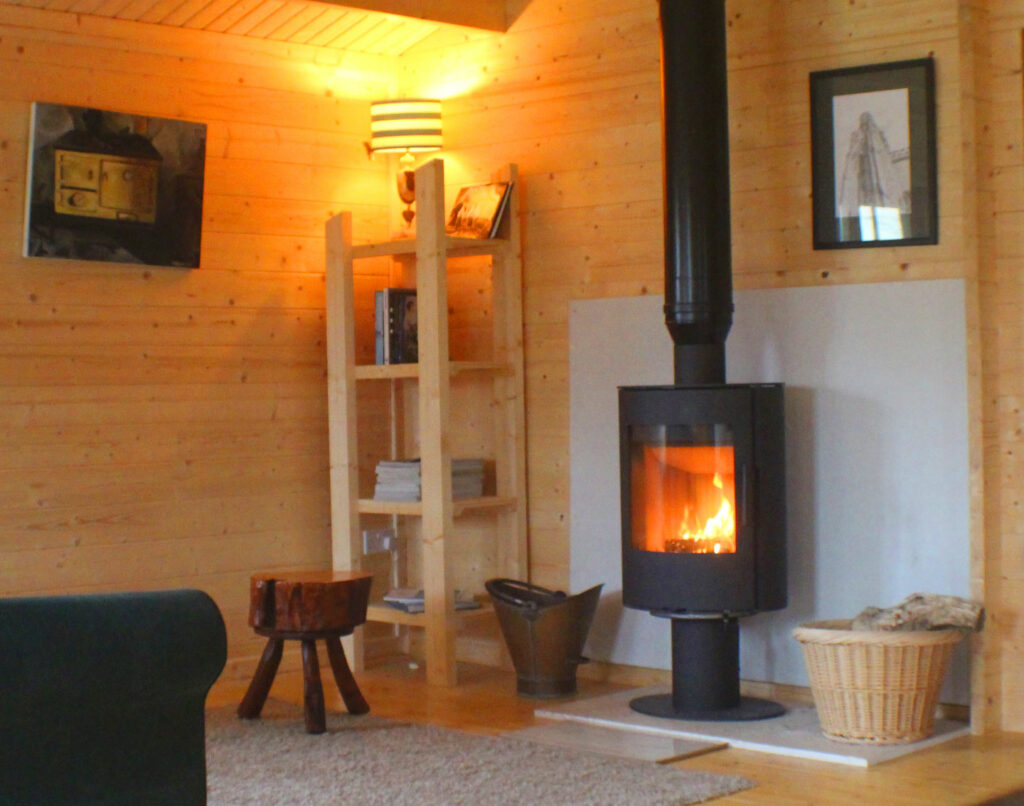
One of the key elements of interior design for log cabins is the use of natural materials and textures. As predicted by interior design trends for 2023, tactile materials and textures are perfect for cabin design. Log cabins are designed to embrace the natural world, and incorporating natural elements into the interior design helps to create a cohesive and harmonious space. From wood floors to antlers, a variety of natural materials should be used to round out the home decor. By highlighting organic and eco-friendly materials, log cabins can celebrate the beauty of natural elements while creating a warm and inviting atmosphere.

Creating a Cosy Cabin

To create a cosy and rustic atmosphere, log cabin interiors should emphasize warmth and comfort. Natural materials like wood, leather, and linen can help to create a warm and inviting atmosphere. Texture plays a central role in creating an inviting atmosphere, particularly in a home with a rough-hewn shell like a log cabin. Rustic cabin interiors are cosy and inviting, focusing on warmth and comfort. The rustic style is a classic choice for log cabins, as it embraces the natural beauty of the wood and creates a welcoming atmosphere.

In addition to emphasizing natural materials and a cosy atmosphere, log cabin interiors should also prioritize comfort and functionality. Repurposed antique items, wood panelling, and raw, unfinished accents can add character and charm to the space while also serving a practical purpose. While it’s important to create a warm and cosy atmosphere, leaning too far into cosy territory can sometimes take away from the modern aesthetic. By using as many natural materials as possible and highlighting comfort and functionality, log cabin interiors can create a harmonious and inviting space that celebrates the beauty of the natural world.

Incorporating modern elements into rustic decor is a popular trend in log cabin interior design. This involves blending traditional rustic elements with modern design elements to create a unique and contemporary look. For example, incorporating sleek metal fixtures or modern lighting fixtures into a log cabin space can add a touch of modernity while still maintaining the cosy and inviting feel of a log cabin. Mixing modern and rustic elements can create a space that is both stylish and comfortable, and is a great way to update the look of an older log cabin.

Choosing Colours for your Log Cabin

The use of neutral colours and earth tones is another popular trend in log cabin interior design. Neutral colours such as beige, grey, and white create a calming and chic atmosphere in a log cabin space. Additionally, earth tones such as brown, green, and orange can add warmth and depth to a log cabin’s interior design. These colours can be used in a variety of ways, from painting walls and furniture to incorporating them into decor and accessories. Using a neutral and earthy colour palette can create a cohesive and inviting look in a log cabin space.

Mixing traditional and contemporary styles is another popular trend in log cabin interior design. This involves blending traditional rustic elements with contemporary design elements to create a unique and modern look . For example, a log cabin space can be decorated with vintage signs and posters alongside modern furniture pieces. This mix of traditional and contemporary styles can create a space that is both charming and stylish. By incorporating modern elements into rustic decor, using neutral colours and earth tones, and mixing traditional and contemporary styles, log cabin interior design can be updated and transformed into a modern and inviting space.