Posted on Leave a comment

Creating a quality home spa in your garden cabin

Quality sauna and home spa

Creating a spalike experience in your garden cabin

When setting up a home spa in your garden cabin, one of the first considerations is choosing the right location for your cabin. The location should provide a sense of privacy and tranquillity, away from the distractions of daily life. It is important to consider the proximity to your house and the area needed to accommodate the spa elements you desire, such as a hot tub or massage table. Additionally, the placement of the garden cabin within your garden should be carefully considered to create a harmonious and inviting space. Whether it’s a spare room, home office garden room, or a dedicated cabin, finding the perfect spot will contribute to the overall ambiance and enjoyment of your home spa.

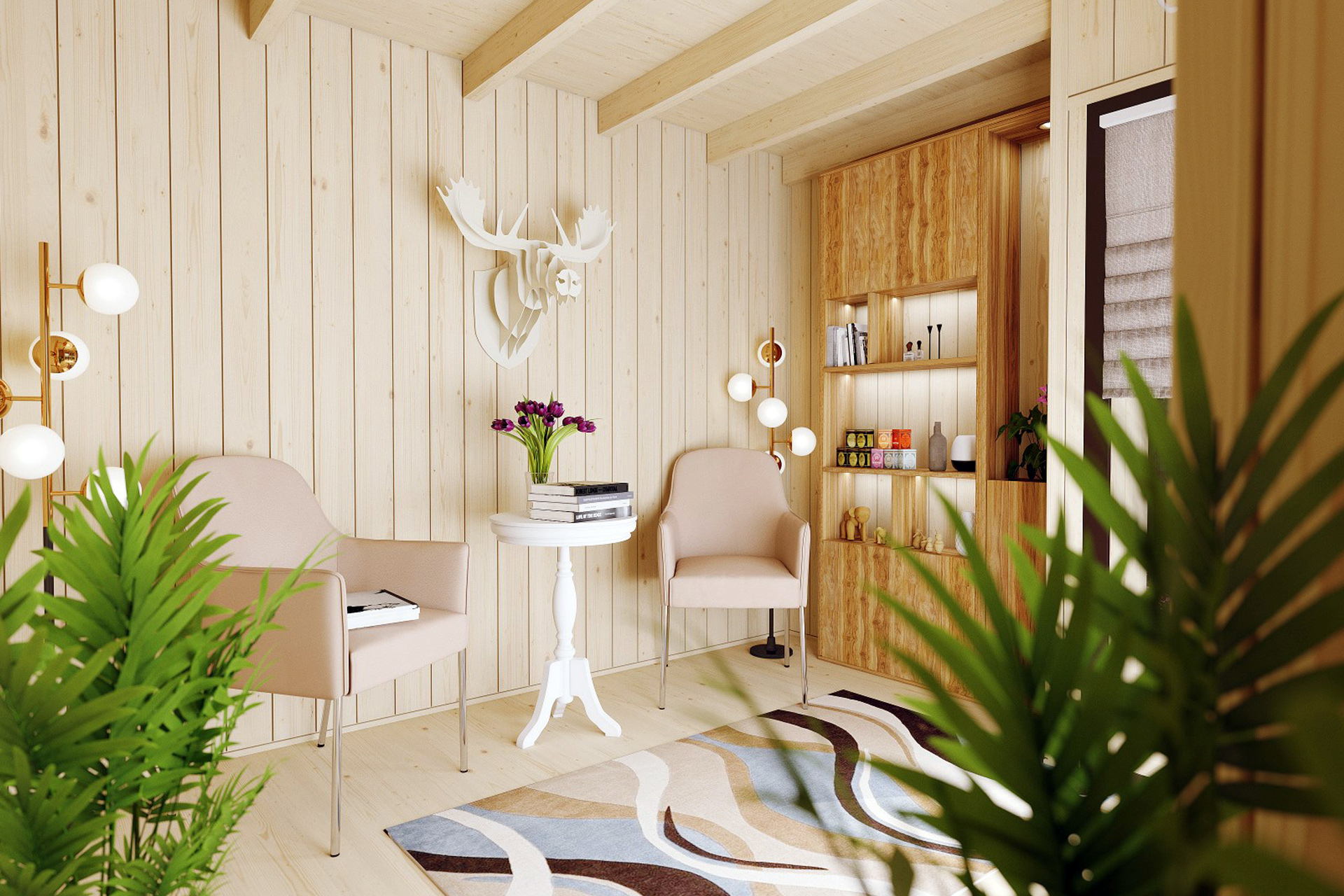
Designing a relaxing and tranquil atmosphere in your garden cabin is essential for creating a home spa experience. Incorporating nature accents, such as plants and natural materials, can help create a calming environment. Additionally, investing in comfortable furniture and creating a dedicated relaxation room can enhance the overall spa-like atmosphere. Lighting plays a crucial role in setting the mood and using scented candles or diffusers can add a touch of aromatherapy to the space. Playing spa-like music in the background can further enhance the sensory experience and promote relaxation. By carefully curating the design elements, you can transform your garden cabin into a serene and inviting home spa retreat.

Home spa – at home in nature

Incorporating essential spa elements in your garden cabin will elevate the home spa experience. Consider installing a spa pool or hot tub for ultimate relaxation and rejuvenation. Creating a scent-sational atmosphere by working with aromatherapy companies to choose the right scents can enhance the overall ambience. Additionally, having soft décor pieces, such as plush towels and robes, can add a luxurious touch to your home spa. By investing in these essential spa elements, you can create a space that promotes self-care and well-being in the comfort of your own garden cabin.

Peace and tranquillity in your home spa

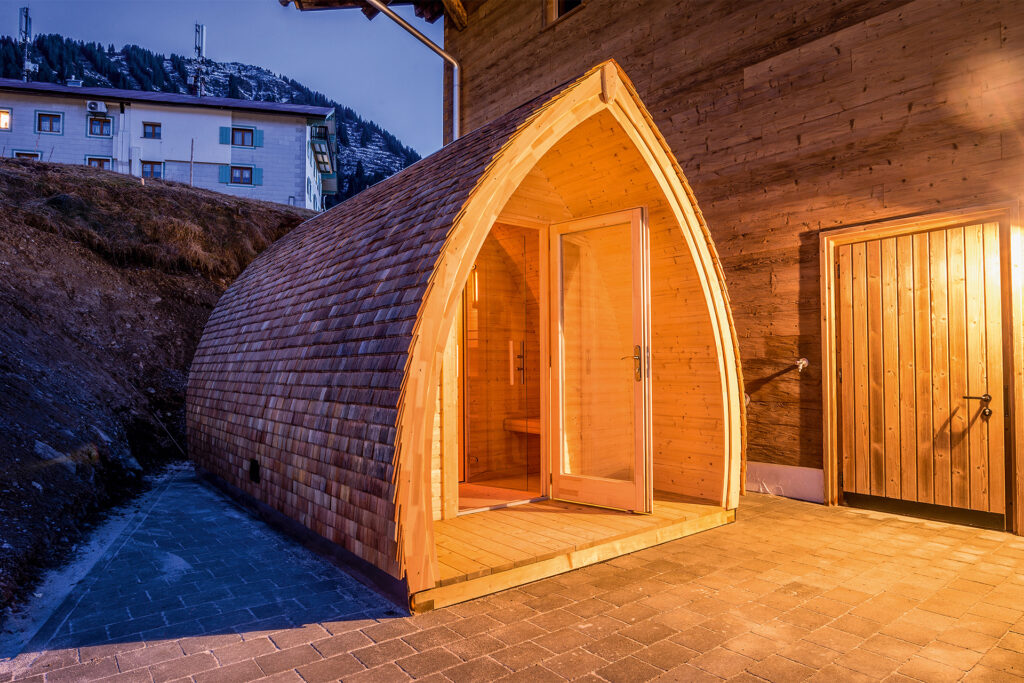
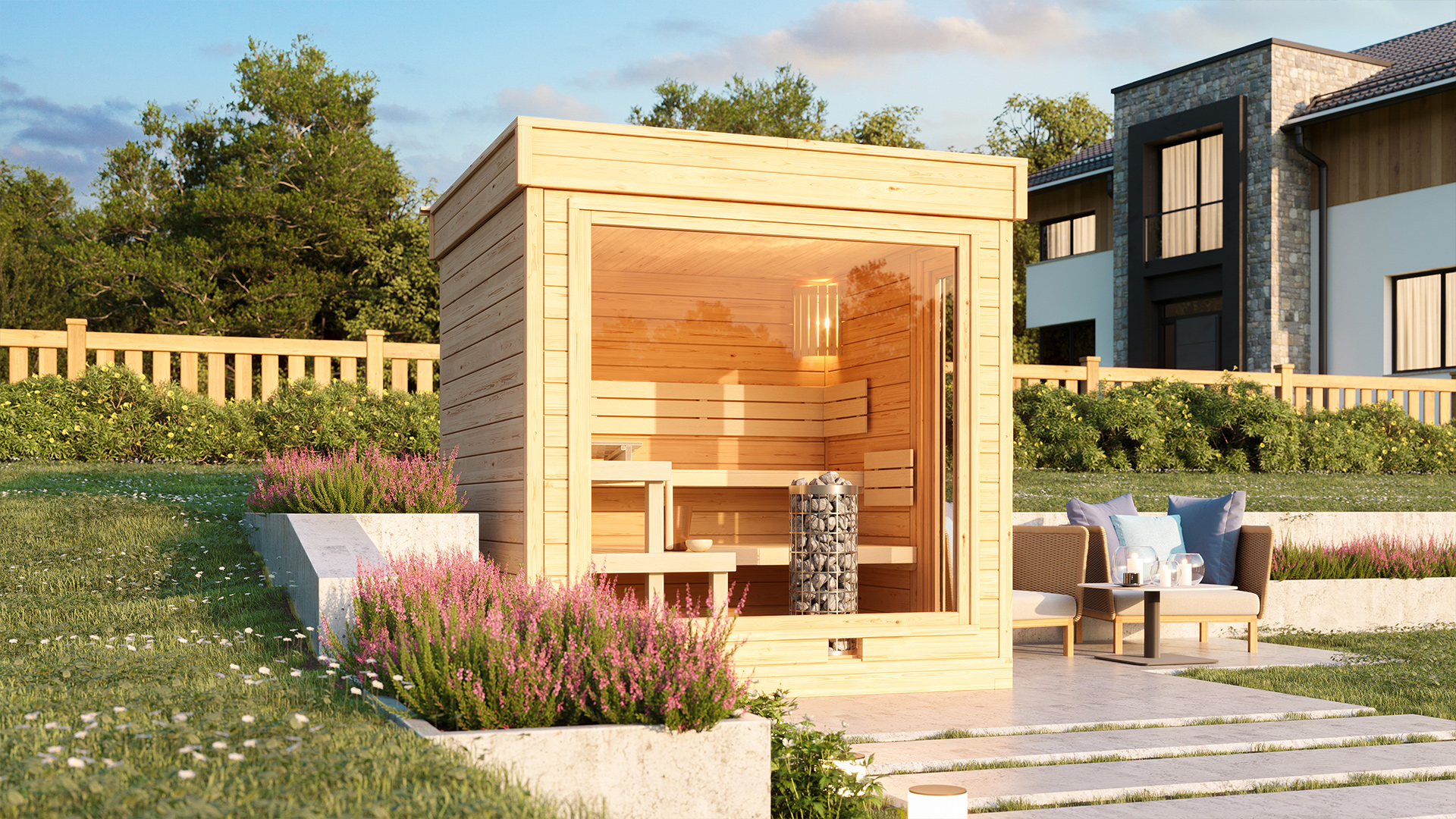
Creating a home spa experience in your garden cabin can provide a peaceful and rejuvenating retreat right in the comfort of your own backyard. One way to enhance the spa-like atmosphere is by installing a sauna. A sauna offers numerous health benefits, including improved circulation, detoxification, and relaxation. Whether you choose a traditional wood-burning sauna or an electric one, having a sauna in your yard provides a quick and convenient escape from daily stressors. You can see our wide range of Timber Living Quality Saunas here. Similarly, a hot tub can provide therapeutic benefits such as soothing sore muscles and promoting relaxation. Consider the location of your hot tub, sauna, and other spa features to ensure privacy and create a serene environment.

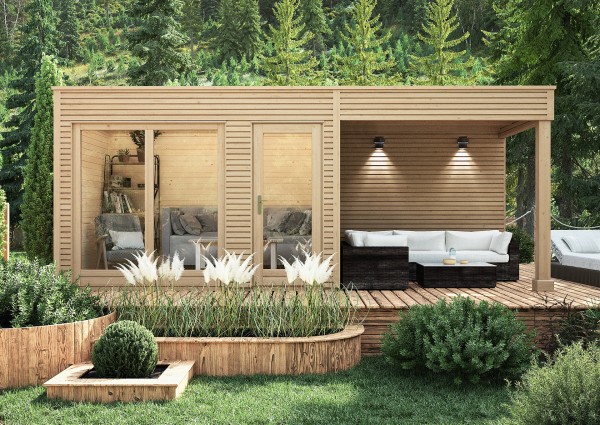
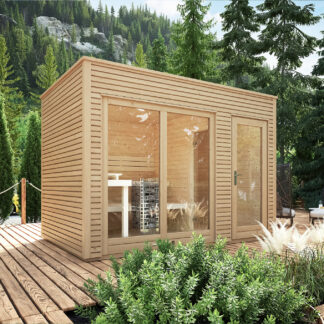
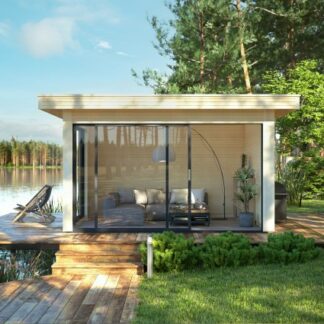
Designing a relaxing outdoor area with comfortable seating and greenery is essential for creating a tranquil spa-like atmosphere. You can create an indoor-outdoor room for your hot tub or sauna by using a dome shelter or a gazebo or having one of our excellent indoor/outdoor sauna buildings installed, such as the SUN VISION PLUS. Placing comfortable outdoor furniture, such as lounge chairs or hammocks, allows you to unwind and enjoy the peaceful surroundings. Incorporating greenery, such as potted plants or a garden, adds a natural element and promotes a sense of calm and serenity . Additionally, adding a decorative water fountain can provide a soothing sound and enhance the overall ambiance of your spa retreat.

To complete the home spa experience, consider incorporating spa treatments such as massages or facials. You can create a designated area in your garden cabin for spa treatments, complete with a massage table and relaxing lighting. There are various tools and devices available, such as face massagers, that can replicate the kneading and massaging techniques used by professionals. You can also create DIY spa treatments using natural ingredients, such as homemade facial masks or body scrubs. By incorporating spa treatments into your home spa, you can further enhance relaxation and self-care.

Posted on Leave a comment

Maintenance of a log cabin

Maintenance of a log cabin

Regular cleaning and maintenance of a log cabin

Regular cleaning and maintenance are crucial for keeping a log cabin in good condition. When it comes to cleaning the interior of the cabin, a basic cleaning routine is usually sufficient. Starting from the top, use a mop, broom, or soft brush to remove any dust or debris. Vacuuming the interior walls is also recommended to remove any dust or dirt that may have accumulated. If there is some accumulated filth on the log walls, you can use oil soap and a sponge to clean them. Apply a small amount of oil soap to the walls and wipe them down, no rinsing is required. Additionally, you can use a wood-friendly detergent, such as Trisodium Phosphate (TSP) cleaner, to clean the interior logs. Regularly cleaning the interior of the log cabin will help maintain its appearance and prevent the build-up of dirt and grime.

Cleaning of a log cabin exterior

Cleaning the exterior of a log cabin is more important as cleaning the interior. Start by removing any leaves, twigs, or debris from the gutters. Inspect the gutters for cracks or signs of leakage. If you have not added any preservative or stain to your log cabin for some reason, you can use a log cleaner, such as Trisodium Phosphate (TSP) or OxiClean, to clean the exterior logs. Apply the log cleaner with a sponge or brush and scrub the logs gently. Rinse the logs with water, and if the water beads up, it indicates that the logs are adequately sealed. In case of stains, mould, or mildew, it is essential to remove them promptly to prevent further damage. For log walls, look for cracks or checks in the wood, and if necessary, use epoxy products to repair and rebuild damaged areas . Regularly cleaning and inspecting the exterior of the log cabin will help preserve the wood and protect it from weathering and deterioration.

Maintenance of a log cabin exterior

Regular inspection and repair of the log walls are essential for maintaining a log cabin. Here’s a guide to log cabin maintenance. Twice a year, preferably in spring and autumn, walk around the cabin and inspect the log walls. Look for cracks or checks in the wood, as these can indicate potential issues. If any decayed areas or rot are found, they should be promptly removed and repaired using epoxy products. By regularly inspecting and repairing the log walls, you can prevent further damage and ensure the longevity of your log cabin.

Protecting the log cabin from weather

Properly weatherproofing a log cabin is crucial to protect it from the elements and ensure its longevity. One method of weatherproofing is to seal any cracks or gaps in the logs using caulk or weather stripping. This helps prevent water from seeping into the cabin and causing damage. Additionally, it is important to regularly inspect the cabin for any signs of wear and tear, such as loose or damaged logs, and repair them promptly to maintain the cabin’s integrity. Another aspect of weatherproofing is ensuring proper drainage around the cabin by oversizing overhangs and where possible, covering gutters. Finally, applying a stain to the log cabin provides an extra layer of protection against the elements. The use of Sikkens CETOL paint if your cabin gets a lot of direct sunlight is a good idea. By implementing these weatherproofing measures, log cabin owners can safeguard their cabins from weather-related damage and preserve their beauty for years to come.

Staining the log cabin exterior

Properly sealing and staining the logs of a log cabin is essential for both aesthetic and protective purposes. Before applying any sealant or stain, it is important to thoroughly clean the logs to remove dirt and debris. Scrubbing with a soft brush and water from a garden hose is recommended over using a pressure washer, as it is safer for the wood. Once the logs are clean and dry, applying coats of stain helps protect the wood from UV damage, moisture, and insects. It is crucial to choose a high-quality stain that is specifically formulated for log cabins. Regular maintenance, including reapplication of stain as needed, will help ensure the longevity and beauty of the log cabin. By following these steps, log cabin owners can maintain the natural beauty of the logs while providing them with the necessary protection against the elements.

Posted on Leave a comment

Log Cabin Buyers Guide

Log Cabin Buyers Guide

Log Cabin Buyers Guide

There are several things to consider when buying a log cabin:

  1. Source of timber for your cabin
  2. Single or double wall
  3. Weather boards and rain sills
  4. Quality of interior finish

Where does the timber come from?

The first thing any log cabin buyer will see when purchasing a log cabin is the timber, or lumber. At Timberliving, our log cabins come from the Baltic states, a region with a rich heritage of building solid, cosy log homes. Our log cabin timber is sourced from sustainable reputable forestries located mainly in Finland, Norway and Sweden.

All of our trees are Norway Spruce, and generally referred to as Arctic Spruce, since they are grown in the Artic Circle. Growing in this region creates trees that are extremely durable and of high quality. This is because of the slow growing season – about three or four months a year. This slow growing means the grain of the trees is very tight. This creates extremely tight timber, which won’t warp, twist or split as easily as Irish grown timber.

Log Cabin Walls

Single or double walls? Some cabin companies in Ireland offer single wall cabins for residential living.  Unless these walls are at least 200mm (8 inches) thick, you are going to encounter some serious dampness (and ensuing health) issues. So if you’re dealing with a company that is telling you that 75mm or 90mm think single walls are sufficient, walk away!

A double wall if obviously going to make your cabin more expensive, but you will need the extra wall to create a cavity for your insulation.

Our standard cabin walls have a four inch cavity, which we fill with highly insulating METAC insulation, which is like a high density rock woll. You can increase this cavity to six, or even eight inches if you wish.

Weather boards

Weather boards are an important element in the construction of a log cabin. They protect the protruding ends of a log cabin from water/rain ingress, which can lead dampness within a cabin and rotting of cabin corners. These weatherboards are a crucial element for your log cabin, and should always be included.

In fact, its because of the lack of weatherboards on some competitors cabins over the years that has given log cabins such a bad name in Ireland. There have been log cabin companies in Ireland selling single-wall cabins to people as residential units. The wall thickness on these cabins varied between 70 and 95mm thickness, and the ends of the logs were exposed to the elements. This caused all sorts of problems for the residents of these buildings. This is why most planners now insist that log cabins cannot be built without cement board on the cabin exteriors.

Log Cabin Buyers – look closely at the interior

As a log cabin buyer, you might be really keen about the exterior look of a log cabin. And why wouldn’t you be! Most people fall in love with a log cabin when they see one. But the interior details are very important too. You should pay heed to the door and window architraves, the wall skirting and coving, and the details at the roof beam/wall junction.

What about the interior doors? Are the door handles of a sufficiently high quality? Is there a seal on the doors. Are the hinges solid?

Every log cabin buyer should also test the external doors and windows. Open and close the windows and get a feel for the hardware – hinges and locks. Look at the gap in the double glazing – the wider the better.

Posted on Leave a comment

Should I downsize from my three bedroom house to a one bedroom cabin?

Downsizing to a one bedroom log cabin

Should I downsize from my three bedroom house to a one bedroom cabin?

In today’s fast-paced and consumer-driven society, many individuals find themselves questioning the necessity of large living spaces and the financial burden that comes with them. The idea of downsizing from a three-bedroom house to a one-bedroom cabin may seem drastic to some, but it is a decision that should not be dismissed without careful consideration.

This essay will explore the financial advantages, lifestyle benefits, as well as the considerations and potential challenges of downsizing to a one-bedroom cabin. By examining these factors, individuals can make an informed decision about whether or not downsizing is the right choice for them.

Downsizing from a three-bedroom house to a one-bedroom cabin can offer significant financial advantages. One of the most obvious benefits is the reduction in mortgage or rent payments. With a smaller living space, individuals can expect to see a substantial decrease in their monthly housing expenses. Additionally, lower utility bills and maintenance costs are likely to follow suit.

Where are you downsizing to?

One of the great benefits of downsizing comes when you downsize to a log cabin beside a family member’s house. Most often, Granny and or Grandad will move in to a log cabin on the farm or in the garden of a son or daughter. This has so many obvious benefits, financial and social.

Downsize for financial benefits

Financially, there is usually no need to:

  • install septic tanks,
  • pay for a water or sewerage connection, or a
  • new ESB line.

There might be no need to install washing machines and tumble dryers, or even elaborate kitchens, all depending on how independent the two family units want to be from each other. (Maybe Granny and Grandad might just want to have dinner with the kids one or two evenings a week…)

And of course there’s the benefit of live-in babysitters!

The social benefits of downsizing

Is there any need to even write about the social benefits of downsizing…
Downsizing from a big house happens because previous occupants of the house have now left and there is an emptiness and sadness associated wit the old residence. Moving to a new place will hopefully bring some excitement and happiness to those moving, and also to whoever is receiving their new neighbours.

And if you are downsizing due to health issues, the ensuing benefits to both you and your caring family members are huge, not least in the reduction of stress and worry on both parts. While there are plenty of services for elderly people living alone, nothing can replace living close to someone who cares.

But from our experience in dealing with grandparents who have downsized into a log cabin, the biggest fans are definitely the grandchildren! I have never met a kid who isn’t over the moon that Granny or Grandad is living in a cabin in the garden – its a dream come true for any child.

If you’re considering downsizing, but to a separate site, you will need to go for planning permission.

Have a read of our blog on planning permission here.

If you are considering downsizing, you will need a log cabin!

  1. First, take a look at the site and decide what size of cabin you can easily fit in . Remember that you will need at least a meter between the log cabin wall and any boundary walls or fences.
  2. Decide on the number of bedrooms. We have a great range of both one bedroom log cabins and two bedroom log cabins to choose from.
  3. Come and visit us on Cork, Galway, Tullow, Boyle or Limerick and take a look at the quality of our buildings.
Posted on Leave a comment

Should I paint or stain my log cabin

Should I paint or stain my log cabin

Should I paint or stain my log cabin?

We got the following recommendation from David at McDonogh’s Hardware in Galway:

For the outside or inside of your cabins I recommend you using Sadolin Classic All Purpose Woodstain or Fleetwood Super-Flex Wood Paint.

Sadolin Classic is a oil based product and the Super-Flex is waterbased. The temperatures need to be above 8 to 10 degrees to use either of them.

2 to 3 coats is the recommendation for both depending on soakage and surface of the timber.

All surfaces are recommended to be cleaned down with a cloth dampened with methylated spirits ( NOT WHITE SPIRITS ) to degrease the wood.

Both of those products can be used for inside and outside.

If it’s a colour you want to paint on for example a cream, grey, white, yellow etc then Super-Flex is the one to use.

If you want to keep the wood finish colour for example Teak, Antique Pine, Mahogany, Light Oak then Sadolin Classic is the one to use.

You should STAIN the exterior of your log cabin

When someone asks us “Should I paint or stain my log cabin?”  we ALWAYS say you should only stain the exterior timbers of your log cabin.

Previously we always recommended SIKKENS products too. But David from MacDonogh’s Hardware gave us the benefit of his experience, which has made us re-think our position.

Painting and staining exterior timber are two popular methods used to protect and enhance the appearance of wood surfaces, such as decks, fences, and siding. Both techniques have their advantages and considerations, so let’s explore them further:

Staining Exterior Log Cabin Timber:

  1. Natural Look: Stains preserve the natural beauty and texture of the wood, highlighting its grain and colour variations.
  2. Penetration: Stains penetrate the wood fibres, providing a deep level of protection against moisture, UV rays, and mildew.
  3. Maintenance: Stained surfaces generally require less maintenance than painted ones. Instead of peeling or chipping, stains tend to fade gradually, and a simple reapplication can rejuvenate the wood.
  4. Options: Stains are available in various opacities, ranging from clear or transparent stains that offer minimal colour change to semi-transparent and solid stains that provide more colour coverage.
  5. Prep Work: Proper surface preparation, such as cleaning, sanding, and ensuring the wood is dry, is crucial for the stain to adhere effectively.

Painting Exterior Timber:

  1. Protection: Paint forms a thick protective layer on the wood, shielding it from the elements, UV radiation, and moisture.
  2. Durability: High-quality exterior paints can withstand harsh weather conditions, including rain, sun exposure, and temperature fluctuations.
  3. Versatility: Paint offers a wide range of color options, allowing you to choose from numerous shades to match your desired aesthetic.
  4. Coverage: Paint can cover up imperfections and provide a uniform appearance on different wood types and textures.
  5. Maintenance: Over time, painted surfaces may require periodic maintenance, such as repainting or touch-ups, as paint can chip or peel due to weathering or wear.

Factors to consider when asking “should I paint or stain my log cabin?”:

  1. Wood Condition: Evaluate the condition of the timber. Paint is ideal for hiding imperfections, while stain works better on well-maintained wood with an appealing grain pattern.
  2. Climate: Consider the climate in your region. If your area experiences intense sun exposure or frequent rain, paint with UV protection or a high-quality stain may be necessary.
  3. Desired Aesthetic: Decide whether you want a solid, opaque colour (paint) or a more natural, translucent appearance (stain).
  4. Maintenance Preference: Determine how much time and effort you’re willing to invest in maintaining the wood surface over the long term.

Ultimately, staining is the best option for treating the exterior of your log cabin.

Posted on Leave a comment

Lead-in Time for a log cabin

Do I have enough lead-time for a log cabin

What is the lead-in Time for a log cabin?

So, you’re planning on building a log cabin. You need to get your ducks in a row! Before the log cabin builders arrive, you need to get your base built. And you also need to contact a plumber and electrician, and of course, who’s putting in the kitchen! So many things to line up – so little time…

Do I have enough lead-in time for a log cabin?

There’s no need to panic! The lead-in time for a log cabin from Timber Living is from 8 to 12 weeks, depending on what we have in stock. That’s plenty of time to get your builder in and have them prepare the base for you.

How much will the builder do for me?

Before your builder starts, we will provide you with accurate drawings of your cabin, and will also let you know the EXACT size base that is required for your cabin. Base types vary, depending on whether you’re building a Garden Room or a Residential Log Cabin.

Your builder will carry out some key tasks, including:

Your builder might also be able to recommend a plumber and electrician. Depending on the region you are building in, we at Timber Living might be able to recommend builders, electricians and/or plumbers. Don’t hesitate to ask!

Also, when it comes to electricians, make sure your electrician can certify the work carried out. You’ll need this certification for insurance purposes. You can find a certified electrician here.

When do the electrician and plumber come?

Your plumber and electrician will come to your residential log cabin two times – once for the first fix, wires and pipes, and then a return visit to finish off. Normally this should take about half a day for both, depending on the complexity of the job.

This works for us because we come to you two times when building residential log cabins. On our first visit, we will build the outside walls and ceiling boards, and then we will install all the doors and windows. We return in a week or two to complete the job, after the electrician and plumber have done their first fix. So it is important to impress upon the tradespeople the importance of turning up when agreed!

Your electrician will tell you that the biggest cost for the job is the actual wire and switches/sockets/fuse-board etc., and that the labour is a smaller element of the overall cost.

Do I have enough lead-time for a log cabin?

Yes, you have plenty of lead-time for a log cabin. But you are bound to have lots of questions. Please don’t hesitate to contact us at any of our showrooms and we’ll be delighted to explain the ins and outs of building a log cabin.

Posted on Leave a comment

Do I need planning permission for a log cabin in Ireland?

Planning permission for a log cabin

Do I need planning permission for a log cabin in Ireland?

Your first step when considering going for planning permission for a log cabin is to go to the planners and ask the big question:

“Can I build a Scandinavian-style cabin on my site?”

What are the planners looking for?

There are two major issues your local planner will have with your chosen log cabin:

  1. It has timber on the exterior.

  2. It does not have enough insulation.

So, show them the page with your chosen log cabin (e.g., our current favourite three-bed, the ADARE.) Suggest to them that you will put 150mm of external insulation on this cabin, and see if they will pass it then.

There are three other points you can expect your planner to bring up when looking for planning permission for a log cabin:

  1. All window sills may need to align. (In effect, this might mean you will need to enlarge the bathroom window)
  2. An extra entrance might be required, depending on the size and layout of your log cabin.
  3. The verandah/overhang might not fit in with the style of housing in the area.

Any other tips when applying for planning permission for a log cabin?

Do not say it is a LOG CABIN. Say you want to build a timber frame home in the  Scandinavian style. Planners baulk when people ask about “planning permission for a log cabin“, and for good reason. Many inferior-quality log cabins have been built in Ireland, with only single walls, without weather-boards on the corners, and on poor foundations.

It’s frustrating when a “contemporary” building gets planning permission, but when someone applies for planning permission for a log cabin, they’re often told that the Scandinavian look doesn’t match “with the vernacular”…

Timber Living Timber Frame Buildings

If you’re going for planning permission, we can build you a timber frame home, with the same footprint as any of our log cabins.

Take a look at our page on Timber Frame houses, which features three models:

  • The Connacht, which is modelled on the Limerick Log Cabin
  • The Leinster, which is modelled on the Tullow log cabin
  • The Barrow, which is a new design, three bed timber-frame home.

What’s the difference between a log cabin and a timber frame?

The difference between log cabins and timber frames is all in the walls, floor and roof. The two key factors are insulation level and exterior finish. There’s a lot more insulation in a timber frame building (although we never get any complaints about the insulation levels in our log cabins – seems 100mm of insulation and 75mm of timber is sufficient for most people’s needs).

The other major difference is that you’ll struggle to get an engineer to pass the construction for your mortgage application. So, if you’re going for a mortgage, you need to talk to your engineer first about the design of our timber frame walls.

We asked ChatGPT about applying for planning permission for a log cabin…

As expected, some of it was quite generic:

In Ireland, the need for planning permission for a log cabin depends on various factors such as the size of the cabin, its location, and the local planning regulations. I should note that as an AI, I don’t have real-time information on the latest updates to planning laws and regulations in specific areas, so it’s important to consult with the relevant local authorities or a qualified professional to get accurate and up-to-date information.

But there was some useful information:

In general, planning permission is typically required for any new construction or substantial modifications to existing structures, including log cabins. However, there are some exemptions and allowances that may apply in certain cases. For example, if the log cabin falls within certain size limits (such as under 25 square meters) and is not intended for permanent habitation, it may be exempt from planning permission.

This next point was very good, and appertains to what we wrote at the start of this article:

It’s crucial to check with your local planning department or the appropriate local authority, such as the county council, to determine the specific requirements and regulations for log cabins in your area. They can provide you with the most accurate information based on your location, as planning rules can vary across different regions in Ireland.

Additionally, if you are part of a housing development or a specific neighbourhood, there may be additional rules or guidelines that you need to adhere to. It’s always best to consult with the relevant authorities to ensure compliance with all regulations before proceeding with any construction project.

Posted on Leave a comment

Are log cabins sustainable in today’s climate

Two Bedroom Log Cabin in snow

Are log cabins sustainable?

Log cabins can be considered a sustainable way of building under certain circumstances. Here are some of the reasons:

  1. Renewable resource: Wood used for log cabins is a renewable resource, which means that it can be regrown and harvested again and again.
  2. Low carbon footprint: The carbon footprint of a log cabin is generally lower than that of a conventional house.
  3. Energy-efficient: Log cabins have excellent insulation properties, meaning they retain heat in cold weather and stay cool in hot weather. This reduces the need for fossil fuels to heat or cool the home.
  4. Durability: Log cabins can last over a hundred years, which means that they require less reconstruction or replacement as long as they are properly maintained. (We have a video of this on our videos page: https://timberliving.ie/videos
  5. Local sourcing: Building a log cabin often involves sourcing materials locally, reducing transportation costs and minimizing the carbon footprint.
  6. Concrete is a hugely unsustainable product – the energy used in creating cement for concrete and concrete blocks is enormous and creates a huge carbon footprint.

However, some concerns can also be raised regarding the sustainability of log cabins, so you need to be sure the company you deal with have responsible environmental policies in place. Appropriate harvesting of timber is essential, preventing deforestation and land degradation. Our cabin suppliers only purchase their lumber from providers with sustainable re-planting policies.

Also, precise cutting and fitting of log cabins can result in significant waste of lumber. At Timber Living, the latest and best timber fabrication technology is used in production, keeping waste to a minimum, and therefore reducing costs to the consumer.

Our timber is kiln-dried to European standards, ensuring that there is no threat of pest infestation, and also meaning there is no need for chemical treatments, which are not entirely environmentally friendly.

Therefore, ensuring responsible harvesting of lumber and sourcing materials should be taken into account when considering the sustainability of a log cabin.

Are log cabins sustainable? We use the same timber from the same source in all of our cabin buildings, including our saunas and garden offices.

Deloitte suggests in their article  that “The higher upfront cost of sustainable buildings can be offset by a lower long-term life cycle cost.” But we would contend that a more sustainable building does NOT have to cost more!

Posted on Leave a comment

Bases for garden cabins and saunas

Joy One Outdoor Sauna

Building a base for your garden cabin

Whatever you’re building –  garden office, a playroom, a meditation room or a sauna – you’re going to need a good base or foundation.

By good foundations, we mean foundations/bases that are both SQUARE and LEVEL. Square so that the building we supply sits directly down on the base, and overhangs evenly all around. (One thing is for sure – our building will be square! If there is a problem, it’s going to be with your base :-))

Slab foundation or decking base?

There are a few differences between a slab foundation and a decking base, but let me firstly explain what I mean by the two different types.

Slab Foundation:  A slab foundation is a solid piece of poured concrete, generally four or five inches thick, and usually with a steel re-bar included. (Some people say you won’t need the re-bar. That might be true, depending on the weight of the building you’re putting on the slab, but as some other people say “it’s better looking AT it than looking FOR it”. Re-bar really strengthens your slab and is relatively cheap when considering the overall cost of the slab, so stick it in!

Decking Base: A decking base is a timber frame sitting on top of a set of blocks, usually set on the flat, and best sitting on a bed of hardcore or gravel. It’s important that there are no gaps in your block ring where rodents can get in. The timber frame is made of four by three treated timbers, at 400mm centres. It is important to talk to us about the direction of those timbers. On top of this frame sits a 50mm marine ply, which operates as a support for the floor insulation in your cabin, if specified for the build.

Here’s a interesting video for you on how to build a decking base, although we’d recommend you get a full-time builder to do this for you if you need to watch a video in order to build bases for garden cabins.