
If you’ve been thinking about adding a log cabin, garden room, or modular living space to your property in Ireland, 2026 is shaping up to be a pivotal year.
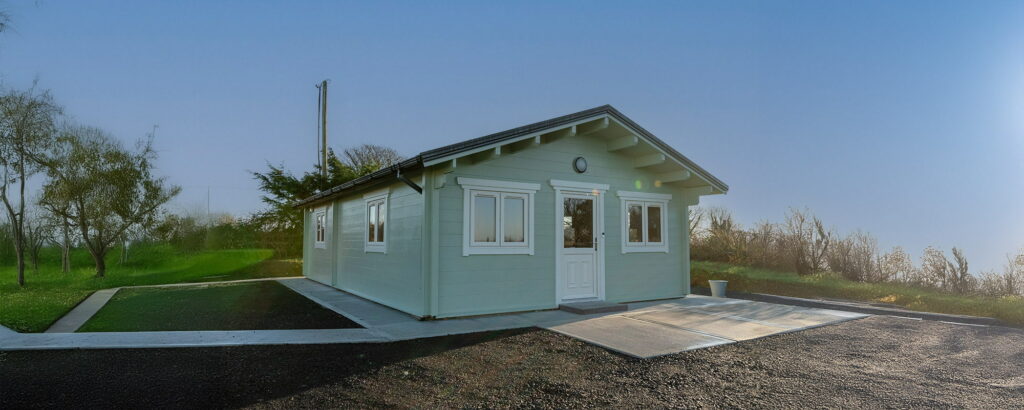
There’s growing conversation at government level about planning exemptions, modular housing, and how Ireland can respond faster to housing demand. But here’s the key point many people are missing:
The core legislation around log cabins and small structures hasn’t meaningfully changed in over 25 years.
And that creates a unique opportunity.
In this blog, we’ll break down:
- What’s actually happening with planning laws in 2026
- What hasn’t changed (and why that matters)
- What you can legally build right now
- How to get ahead of potential changes
- Why more homeowners are acting before new regulations come in
Why 2026 Is Getting So Much Attention
Ireland is facing ongoing housing pressure, and the government has been actively exploring ways to increase supply quickly. One of the biggest discussions in recent months has been around:
- Modular homes
- Prefabricated structures
- Exemptions from planning permission
- Expanding the “rent-a-room” concept
There have been proposals to allow certain modular structures to be installed without full planning permission, particularly when used as:
- Additional living space
- Rental accommodation
- Home offices or studios
However, these proposals have not yet been fully implemented.
In fact, recent updates suggest:
- There has been delays and back-and-forth discussions at government level
- Concerns exist around oversight, infrastructure, and long-term impact
- Final decisions are still pending and subject to revision
So while headlines may suggest big change is coming…
👉 The current rules still apply today.
The Reality: What Hasn’t Changed
Despite all the talk, the foundation of planning rules for small structures in Ireland remains the same.
For over two decades, homeowners have been able to build certain types of structures without planning permission, provided they meet specific criteria.
These typically include:
- Size limits (commonly up to 25m² for standalone structures)
- Use restrictions (not intended as full-time independent living units)
- Positioning within the property
- Height limitations
- Remaining within overall site coverage rules
There’s also a separate but important rule:
👉 Extensions up to 40–45m² attached to your home can often be exempt from planning permission, if they meet the conditions.
This is where things get interesting.
Because while new legislation is being discussed…
Many homeowners already have more flexibility than they realise.
The Shift in How People Use Log Cabins
Traditionally, log cabins were seen as:
- Garden sheds
- Storage units
- Occasional-use spaces
That has completely changed.
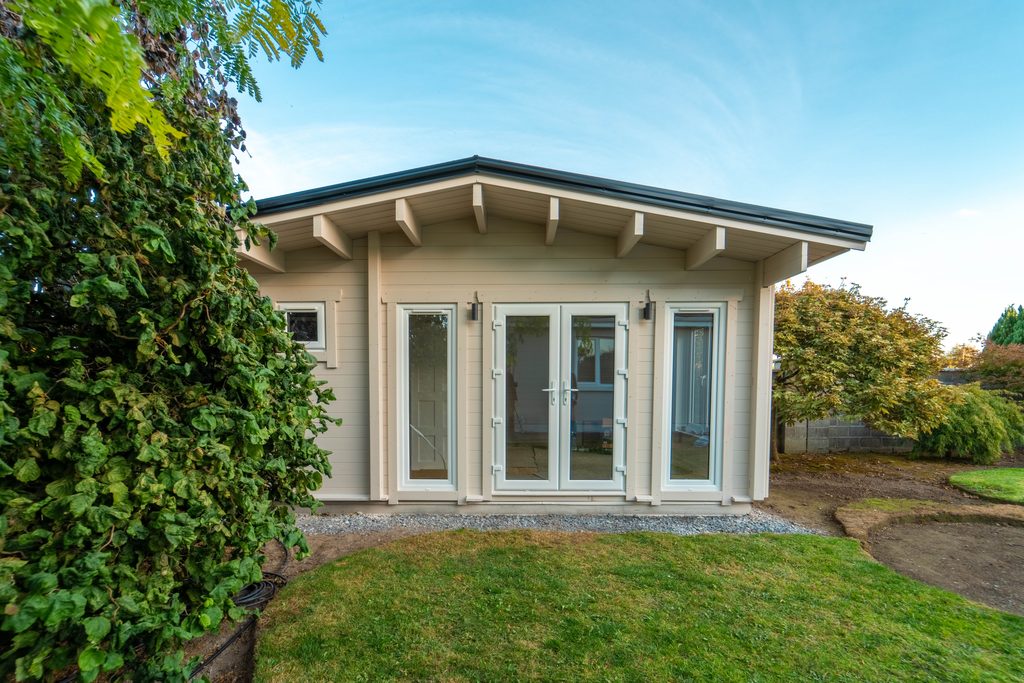
Today, people are using log cabins as:
- Full-time home offices
- Guest accommodation
- Business spaces
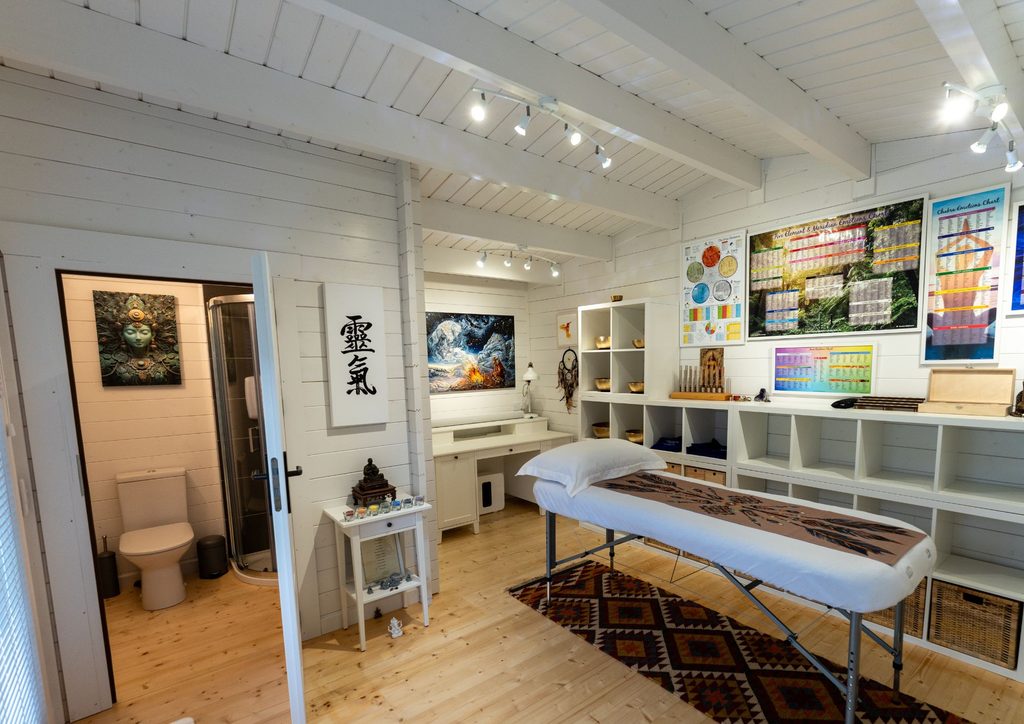
- Wellness rooms (gyms, saunas, studios)
- Extensions to their main home
And importantly:
👉 They’re designing them to be used all year round.
With proper insulation, materials, and design, a modern log cabin is no longer a “temporary” structure — it’s a long-term investment.
Why the Government Is Paying Attention
The increased demand for log cabins and modular structures hasn’t gone unnoticed.
From a policy perspective, these buildings offer:
- Faster build times
- Lower costs compared to traditional housing
- Flexible use cases
- Immediate relief for space shortages
But they also raise questions:
- Should they be regulated more strictly?
- Should more uses be formally permitted?
- How do they impact long-term planning and infrastructure?
This is why 2026 is a year of discussion and potential change.
What This Means for You (Right Now)
Here’s the most important takeaway:
👉 Nothing has changed yet — but it might.
And that creates a window of opportunity.
If you’re considering:
- A garden room
- A home office
- A log cabin extension
- A second living space
You can act under existing, well-understood rules.
Those rules have:
- Been in place for decades
- Been used by thousands of homeowners
- Provided clear guidance on what is allowed
Waiting for new legislation could mean:
- More restrictions
- More complexity
- Longer approval timelines
The Smart Move: Get Ahead of the Change
Across Ireland, we’re seeing a clear trend:
👉 Homeowners are choosing to build now, not later.
Why?
Because:
- Current regulations are familiar and proven
- Build timelines are predictable
- Costs are more controlled
- There’s less uncertainty
If new laws are introduced, they may:
- Tighten rules around usage
- Introduce additional compliance requirements
- Change exemption thresholds
And while some changes could be positive…
They could also limit flexibility.
Understanding Your Options
Before making a decision, it’s important to understand the three main pathways:
1. Exempt Structures (No Planning Required)
Best for:
- Garden rooms
- Offices
- Studios
- Smaller cabins
Requirements:
- Must meet size and placement conditions
- Cannot be used as a separate dwelling
2. Exempt Extensions (Attached to Your Home)
Best for:
- Additional bedrooms
- Living areas
- Family space
Key advantage:
👉 Often allows larger square footage without planning
3. Full Planning Permission
Best for:
- Permanent residential use
- Larger builds
- Rental or independent living units
This route offers:
- Maximum flexibility
- Long-term security
But requires:
- Time
- Documentation
- Approval process
Why Build Quality Matters More Than Ever
As regulations come under review, one thing is becoming clear:
👉 Quality will matter more going forward.
Not all log cabins are created equal.
A high-quality build should include:
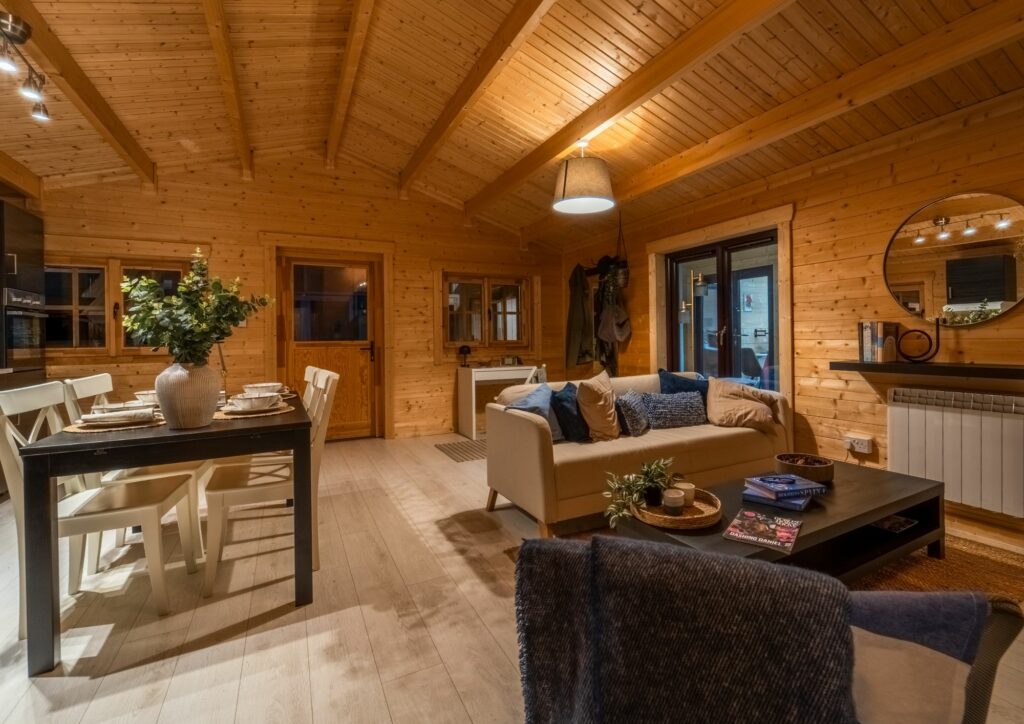
- Proper insulation for year-round use
- Durable external finishes (e.g. cement board options)
- High-performance windows and doors
- Structural integrity for long-term living
This isn’t just about comfort — it’s about:
- Future-proofing your investment
- Meeting potential future standards
- Ensuring long-term usability
A Shift Towards Year-Round Living
One of the biggest changes in the market is how people think about these spaces.
It’s no longer:
“Can I put a cabin in my garden?”
It’s now:
“How can I create more space without moving house?”
Log cabins are becoming:
- Permanent solutions
- Lifestyle upgrades
- Cost-effective alternatives to extensions
And that’s exactly why regulation is catching up.
The Opportunity Right Now
Let’s be clear:
👉 You are in a unique position today that may not exist in the same way in the future.
- Regulations are stable
- Demand is growing
- Awareness is increasing
- Change is being discussed — not implemented
This is the moment where informed homeowners can:
- Explore options
- Understand what’s possible
- Take action with confidence
Final Thoughts: Stay Ahead, Not Behind
The conversation around planning laws in Ireland is evolving.
But here’s the reality:
- The rules haven’t changed yet
- Opportunities exist today
- Demand is only increasing
If you’ve been considering a log cabin, garden room, or extension…
Now is the time to start exploring.
Not rushing — but getting informed, asking questions, and understanding what’s possible.
Because by the time new legislation is finalised…
👉 The advantage may no longer be the same.
Ready to Explore Your Options?
At Timber Living, we’ve been building log cabins in Ireland for decades — long before these conversations started.
We understand:
- The regulations
- The build process
- What works long-term
Whether you’re:
- Just starting to explore
- Looking for ideas
- Ready to take the next step
Our team can guide you through what’s possible — based on today’s rules and tomorrow’s direction.
Visit a Showroom & Experience It for Yourself
There’s only so much you can see online.
Step inside a fully built log cabin, feel the space, understand the quality, and explore different layouts in person.
📍 Showroom Locations:
Tullow, Co. Carlow
📞 +353 59 918 1039 / +353 86 821 4537
Boyle, Co. Roscommon
📞 +353 86 817 0429
Carrigaline, Co. Cork
📞 +353 87 646 4280