Blog

Posted on Leave a comment

New 2026 Planning Laws in Ireland: What It Means for Log Cabins

If you’ve been thinking about adding a log cabin, garden room, or modular living space to your property in Ireland, 2026 is shaping up to be a pivotal year.
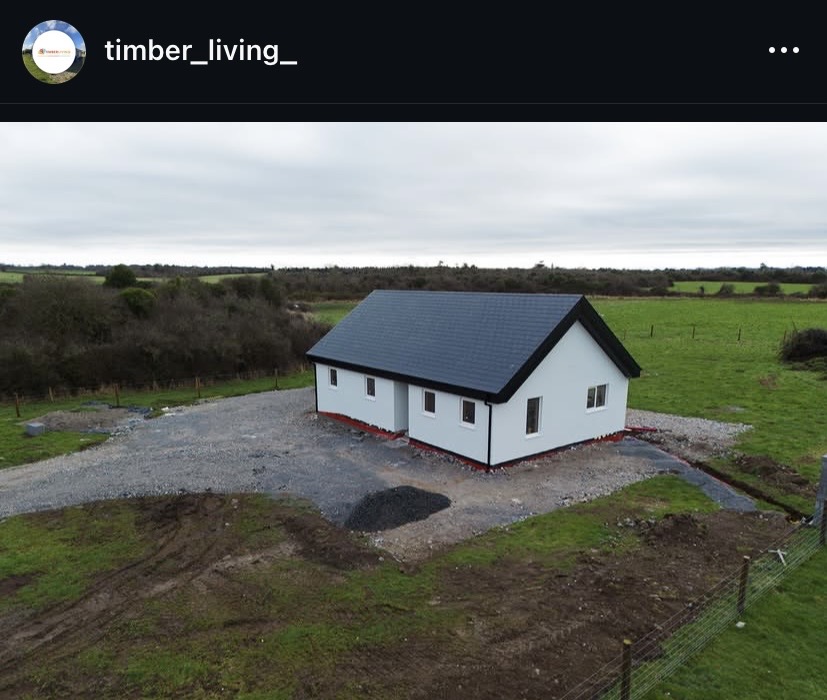
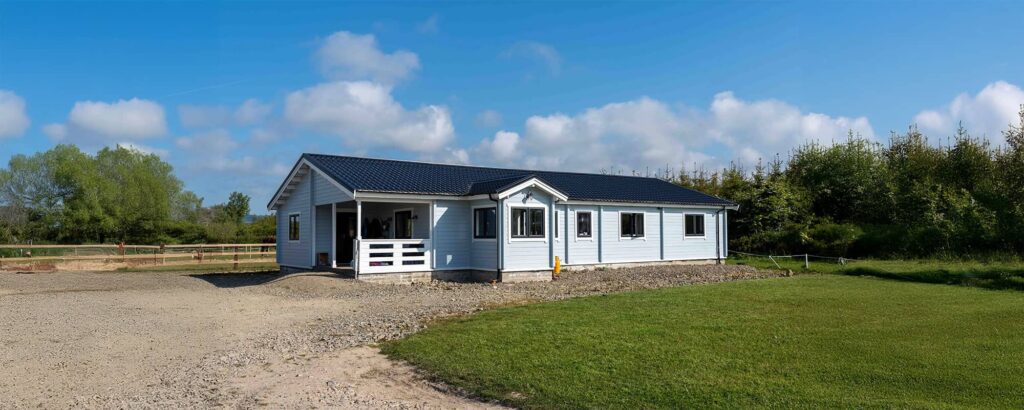
a small house with a driveway

There’s growing conversation at government level about planning exemptions, modular housing, and how Ireland can respond faster to housing demand. But here’s the key point many people are missing:

The core legislation around log cabins and small structures hasn’t meaningfully changed in over 25 years.

And that creates a unique opportunity.

In this blog, we’ll break down:

  • What’s actually happening with planning laws in 2026
  • What hasn’t changed (and why that matters)
  • What you can legally build right now
  • How to get ahead of potential changes
  • Why more homeowners are acting before new regulations come in

Why 2026 Is Getting So Much Attention

Ireland is facing ongoing housing pressure, and the government has been actively exploring ways to increase supply quickly. One of the biggest discussions in recent months has been around:

  • Modular homes
  • Prefabricated structures
  • Exemptions from planning permission
  • Expanding the “rent-a-room” concept

There have been proposals to allow certain modular structures to be installed without full planning permission, particularly when used as:

  • Additional living space
  • Rental accommodation
  • Home offices or studios

However, these proposals have not yet been fully implemented.

In fact, recent updates suggest:

  • There has been delays and back-and-forth discussions at government level
  • Concerns exist around oversight, infrastructure, and long-term impact
  • Final decisions are still pending and subject to revision

So while headlines may suggest big change is coming…

👉 The current rules still apply today.


The Reality: What Hasn’t Changed

Despite all the talk, the foundation of planning rules for small structures in Ireland remains the same.

For over two decades, homeowners have been able to build certain types of structures without planning permission, provided they meet specific criteria.

These typically include:

  • Size limits (commonly up to 25m² for standalone structures)
  • Use restrictions (not intended as full-time independent living units)
  • Positioning within the property
  • Height limitations
  • Remaining within overall site coverage rules

There’s also a separate but important rule:

👉 Extensions up to 40–45m² attached to your home can often be exempt from planning permission, if they meet the conditions.

This is where things get interesting.

Because while new legislation is being discussed…

Many homeowners already have more flexibility than they realise.


The Shift in How People Use Log Cabins

Traditionally, log cabins were seen as:

  • Garden sheds
  • Storage units
  • Occasional-use spaces

That has completely changed.

Today, people are using log cabins as:

  • Full-time home offices
  • Guest accommodation
  • Business spaces
  • Wellness rooms (gyms, saunas, studios)
  • Extensions to their main home

And importantly:

👉 They’re designing them to be used all year round.

With proper insulation, materials, and design, a modern log cabin is no longer a “temporary” structure — it’s a long-term investment.
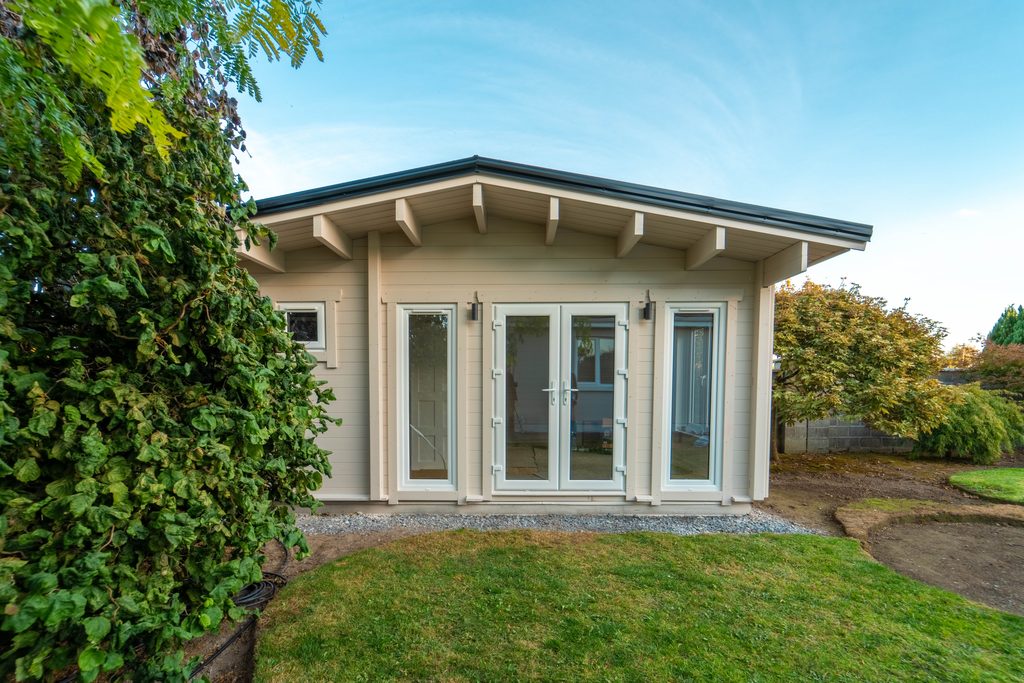
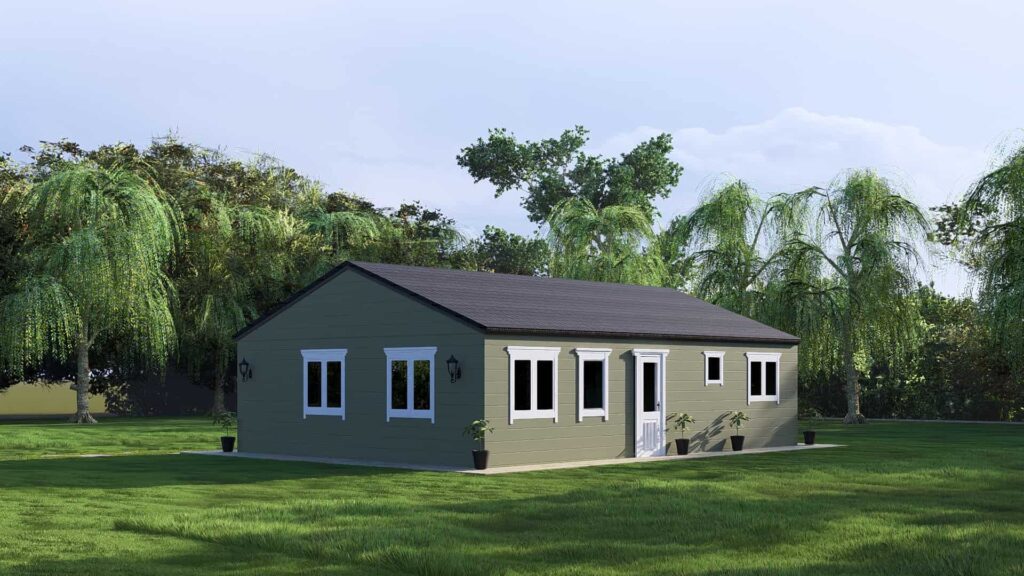
Beige garden room with plastic windows

Why the Government Is Paying Attention

The increased demand for log cabins and modular structures hasn’t gone unnoticed.

From a policy perspective, these buildings offer:

  • Faster build times
  • Lower costs compared to traditional housing
  • Flexible use cases
  • Immediate relief for space shortages

But they also raise questions:

  • Should they be regulated more strictly?
  • Should more uses be formally permitted?
  • How do they impact long-term planning and infrastructure?

This is why 2026 is a year of discussion and potential change.


What This Means for You (Right Now)

Here’s the most important takeaway:

👉 Nothing has changed yet — but it might.

And that creates a window of opportunity.

If you’re considering:

  • A garden room
  • A home office
  • A log cabin extension
  • A second living space

You can act under existing, well-understood rules.

Those rules have:

  • Been in place for decades
  • Been used by thousands of homeowners
  • Provided clear guidance on what is allowed

Waiting for new legislation could mean:

  • More restrictions
  • More complexity
  • Longer approval timelines

The Smart Move: Get Ahead of the Change

Across Ireland, we’re seeing a clear trend:

👉 Homeowners are choosing to build now, not later.

Why?

Because:

  • Current regulations are familiar and proven
  • Build timelines are predictable
  • Costs are more controlled
  • There’s less uncertainty

If new laws are introduced, they may:

  • Tighten rules around usage
  • Introduce additional compliance requirements
  • Change exemption thresholds

And while some changes could be positive…

They could also limit flexibility.
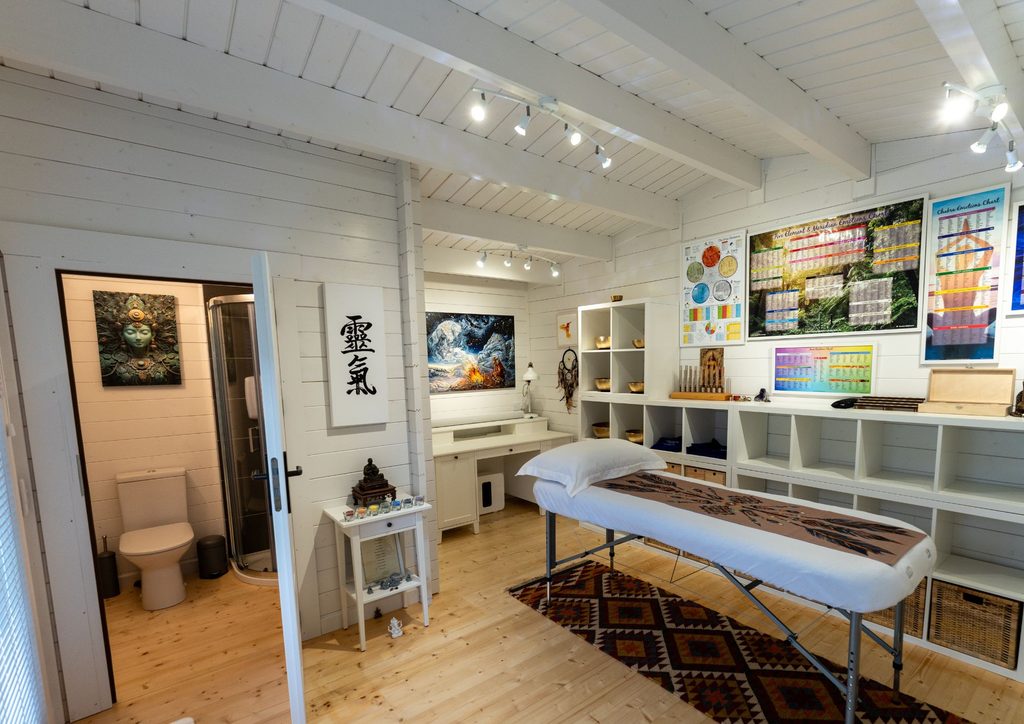
Wooden house with white interior

Understanding Your Options

Before making a decision, it’s important to understand the three main pathways:

1. Exempt Structures (No Planning Required)

Best for:

  • Garden rooms
  • Offices
  • Studios
  • Smaller cabins

Requirements:

  • Must meet size and placement conditions
  • Cannot be used as a separate dwelling

2. Exempt Extensions (Attached to Your Home)

Best for:

  • Additional bedrooms
  • Living areas
  • Family space

Key advantage:
👉 Often allows larger square footage without planning


3. Full Planning Permission

Best for:

  • Permanent residential use
  • Larger builds
  • Rental or independent living units

This route offers:

  • Maximum flexibility
  • Long-term security

But requires:

  • Time
  • Documentation
  • Approval process
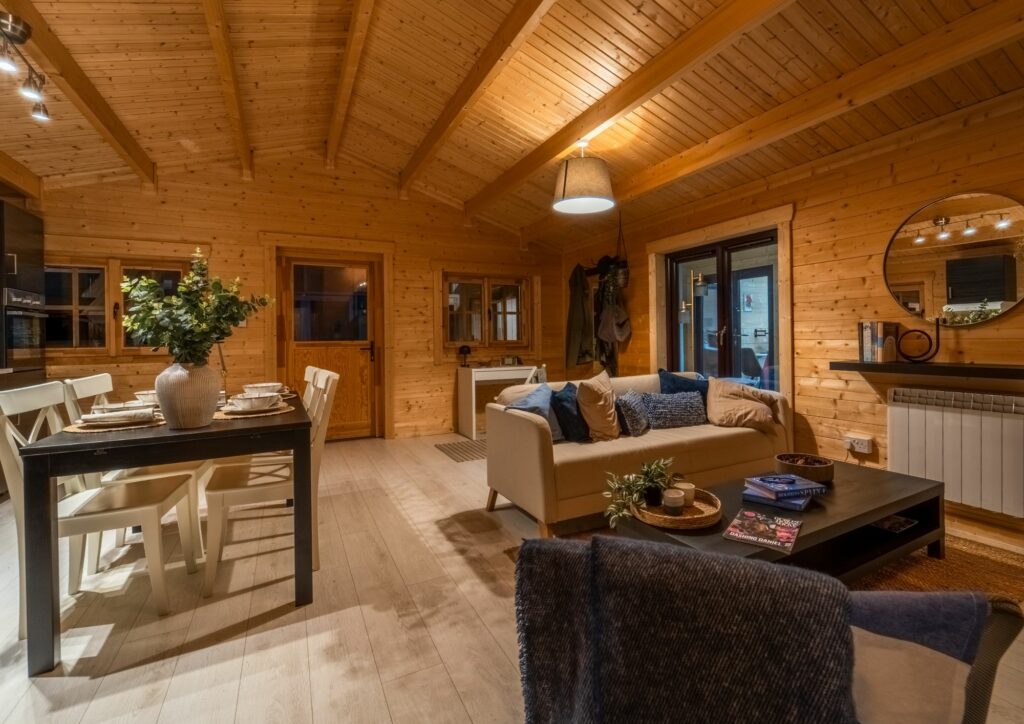
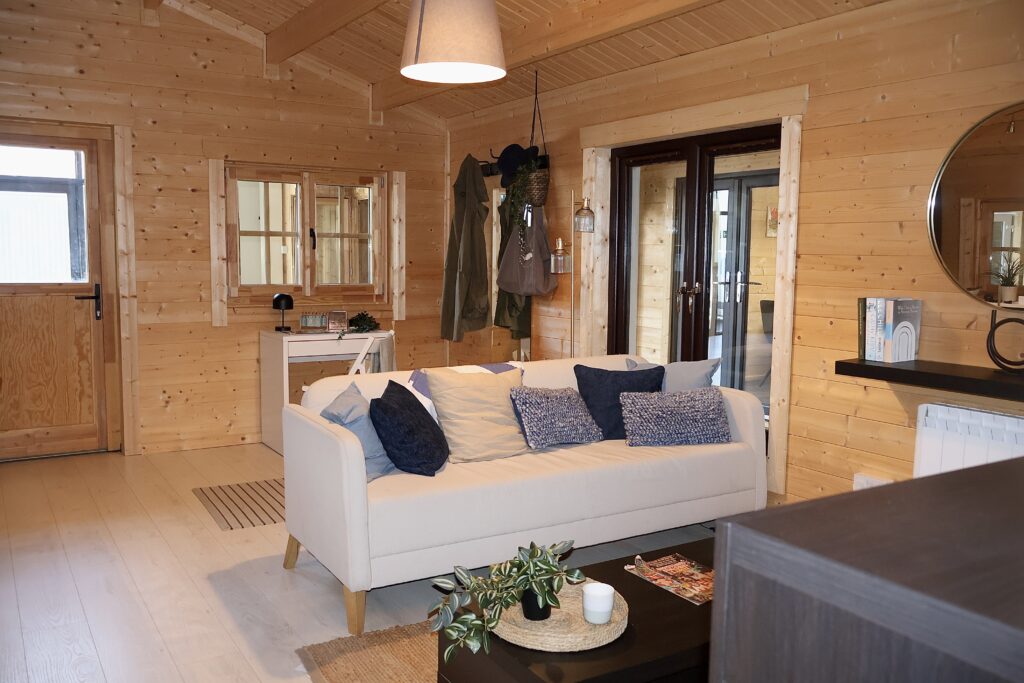
cozy log cabin with wooden interior

Why Build Quality Matters More Than Ever

As regulations come under review, one thing is becoming clear:

👉 Quality will matter more going forward.

Not all log cabins are created equal.

A high-quality build should include:

  • Proper insulation for year-round use
  • Durable external finishes (e.g. cement board options)
  • High-performance windows and doors
  • Structural integrity for long-term living

This isn’t just about comfort — it’s about:

  • Future-proofing your investment
  • Meeting potential future standards
  • Ensuring long-term usability

A Shift Towards Year-Round Living

One of the biggest changes in the market is how people think about these spaces.

It’s no longer:

“Can I put a cabin in my garden?”

It’s now:

“How can I create more space without moving house?”

Log cabins are becoming:

  • Permanent solutions
  • Lifestyle upgrades
  • Cost-effective alternatives to extensions

And that’s exactly why regulation is catching up.


The Opportunity Right Now

Let’s be clear:

👉 You are in a unique position today that may not exist in the same way in the future.

  • Regulations are stable
  • Demand is growing
  • Awareness is increasing
  • Change is being discussed — not implemented

This is the moment where informed homeowners can:

  • Explore options
  • Understand what’s possible
  • Take action with confidence

Final Thoughts: Stay Ahead, Not Behind

The conversation around planning laws in Ireland is evolving.

But here’s the reality:

  • The rules haven’t changed yet
  • Opportunities exist today
  • Demand is only increasing

If you’ve been considering a log cabin, garden room, or extension…

Now is the time to start exploring.

Not rushing — but getting informed, asking questions, and understanding what’s possible.

Because by the time new legislation is finalised…

👉 The advantage may no longer be the same.


Ready to Explore Your Options?

At Timber Living, we’ve been building log cabins in Ireland for decades — long before these conversations started.

We understand:

  • The regulations
  • The build process
  • What works long-term

Whether you’re:

  • Just starting to explore
  • Looking for ideas
  • Ready to take the next step

Our team can guide you through what’s possible — based on today’s rules and tomorrow’s direction.

Visit a Showroom & Experience It for Yourself

There’s only so much you can see online.

Step inside a fully built log cabin, feel the space, understand the quality, and explore different layouts in person.

📍 Showroom Locations:

Tullow, Co. Carlow
📞 +353 59 918 1039 / +353 86 821 4537

Boyle, Co. Roscommon
📞 +353 86 817 0429

Carrigaline, Co. Cork
📞 +353 87 646 4280
Posted on Leave a comment

Modular Homes Planning Exemption in Ireland 2026

What the Latest Update on Homes Planning Restrictions Means for You

Ireland’s housing landscape could be on the verge of a major shift—but not just yet. Recent reports confirm that government plans to exempt modular homes from planning permission have been delayed following internal discussions at Cabinet level.

While the proposal still appears firmly on the agenda, political disagreements—particularly around how these homes would interact with the rent-a-room scheme—have slowed progress.

For homeowners, developers, and anyone considering a log cabin or modular home, this delay raises important questions. What’s actually being proposed? Why the delay? And most importantly—what happens next?

cozy log cabin with wooden interior

What Was the Original Plan?

The Irish Government has been working toward a policy that would allow modular homes (including garden cabins and similar structures) to be installed without full planning permission under certain conditions.

The aim is simple:

  • Increase housing supply quickly
  • Reduce pressure on the planning system
  • Offer homeowners flexible living options
  • Support multi-generational living and rental opportunities

Tánaiste Simon Harris described the intention clearly—“taking the planner out of your back garden” to free up planning resources for larger housing projects.

In practical terms, this could mean:

  • Installing a modular home in your garden without lengthy approvals
  • Using the space for family members or rental income
  • Faster build timelines compared to traditional housing

Why Has the Plan Been Delayed?

Despite strong momentum, the proposal did not go to Cabinet this week due to what sources described as “back and forth” discussions between coalition partners.

At the centre of the delay is a disagreement between:

  • Fine Gael
  • Fianna Fáil

The key issue? Rental rules and taxation.

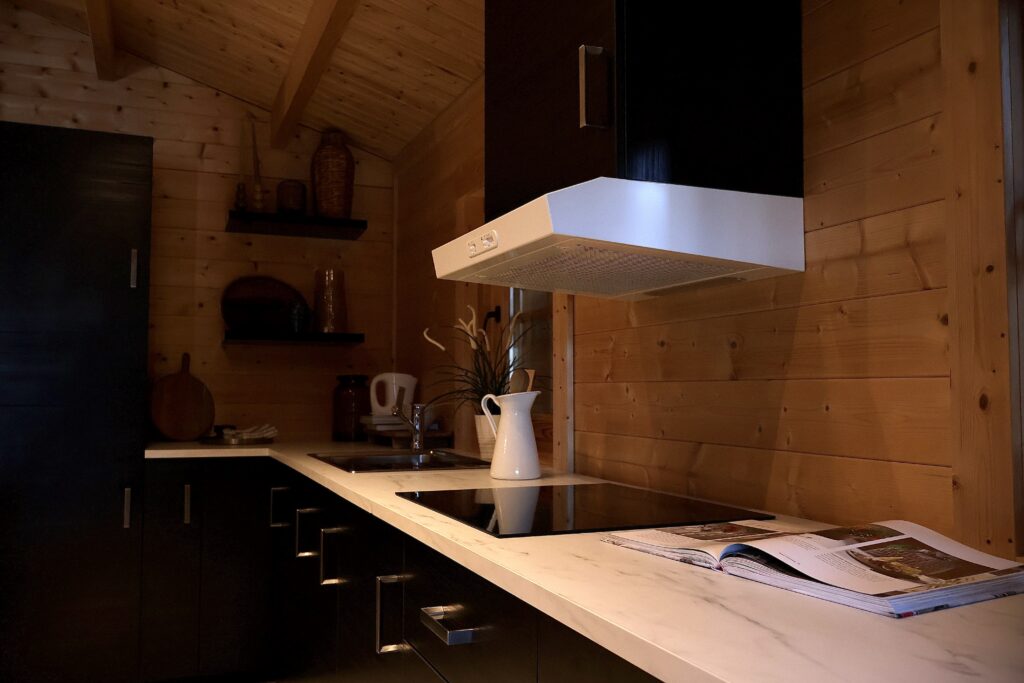
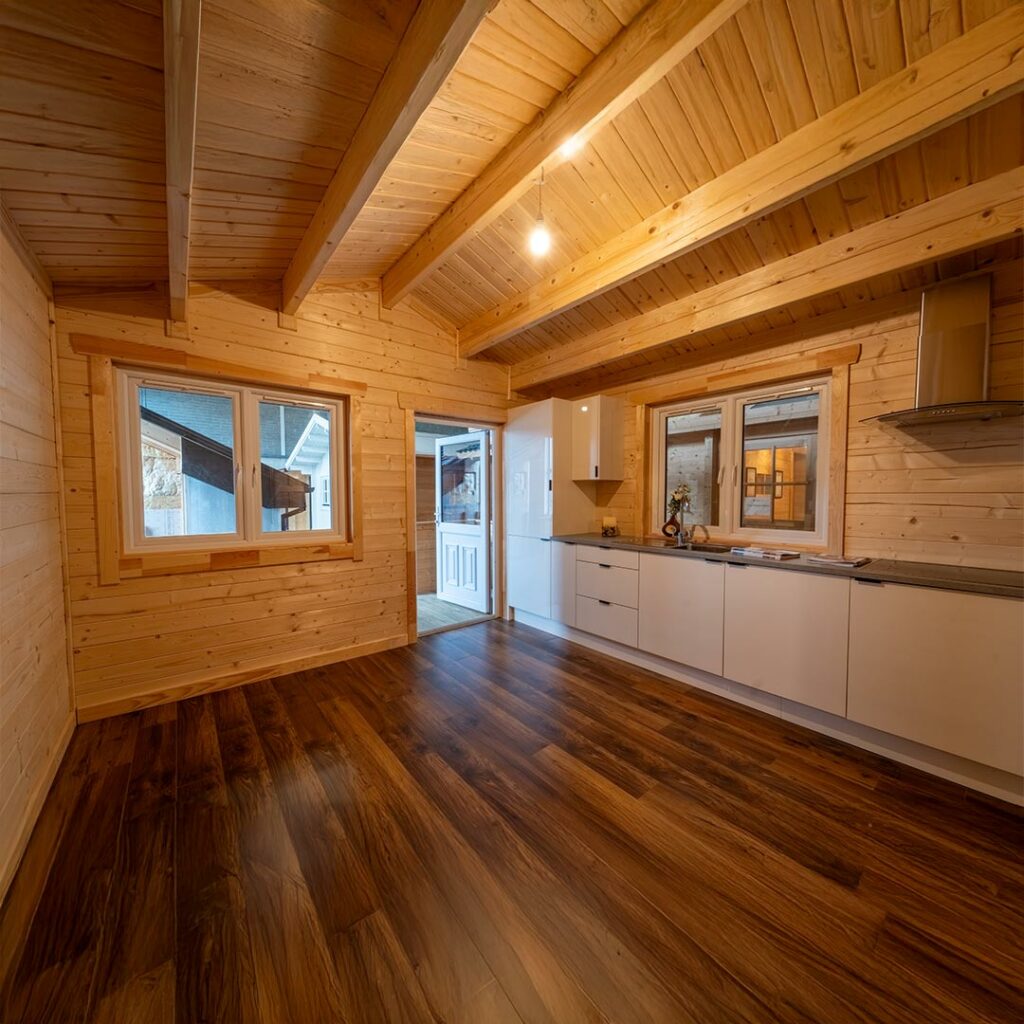
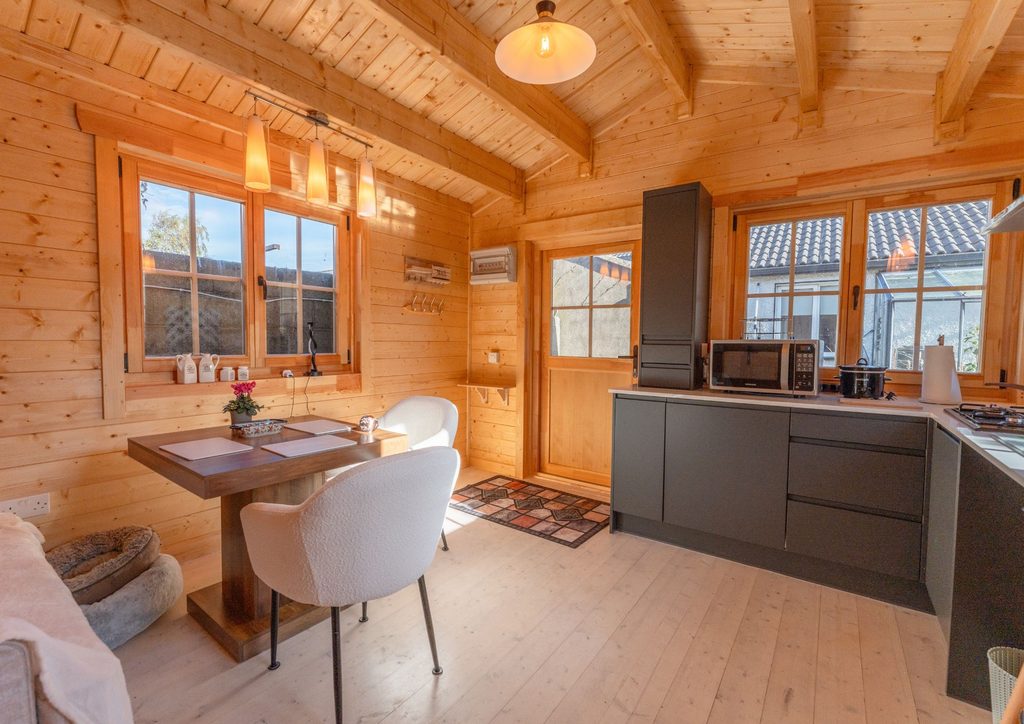
Kitchen in small garden house

The Rent-a-Room Scheme Debate

One of the most significant sticking points is whether modular homes should fall under Ireland’s rent-a-room scheme, which currently allows homeowners to earn up to €14,000 per year tax-free.

What’s the concern?

  • If modular homes are included → rental income capped at €14,000
  • If excluded → potential for higher rents, but fewer protections

Some policymakers argue:

  • Including them protects tenants and keeps things regulated
  • Excluding them could unlock more housing supply

Others worry that limiting income could discourage homeowners from building these units in the first place.

This debate is a major reason the proposal has been delayed.

What Has the Government Said?

A spokesperson for Taoiseach Micheál Martin clarified that:

  • There is no disagreement on the overall plan
  • However, specific details still need to be resolved

Government sources confirmed ongoing discussions, with expectations that the proposal may return to Cabinet in the coming weeks.

Key Rules Being Considered

Even if planning permission is removed, modular homes won’t be unregulated. Several important conditions are expected:

1. Building Regulations Still Apply

All structures must comply with:

  • Safety standards
  • Fire regulations
  • Structural requirements

2. Independent Access Required

Units must have:

  • Separate entrances
  • Clear distinction from the main home

3. Utility Restrictions

  • No separate utility connections
  • Likely shared services with the main house

These rules are designed to balance flexibility with safety and oversight.

Why This Matters for Homeowners

If implemented, this policy could be one of the most impactful changes to Irish housing in years.

1. Faster Builds

Without planning permission delays, homeowners could:

  • Start projects sooner
  • Complete builds in weeks rather than months

2. Lower Costs

Planning processes often involve:

  • Application fees
  • Professional reports
  • Delays that increase costs

Removing these steps makes modular housing more accessible.

3. Flexible Living Solutions

Modular homes can be used for:

  • Adult children living at home
  • Elderly family members
  • Home offices or businesses
  • Rental income

The Impact on Ireland’s Housing Crisis

Ireland has been struggling with housing shortages for years. Modular homes are seen as a practical, scalable solution.

Potential Benefits:

  • Rapid increase in housing supply
  • Better use of existing land (back gardens)
  • Reduced pressure on urban housing markets

However, critics warn that without careful regulation:

  • It could create inconsistent housing standards
  • Rental markets could become harder to manage

Modular Homes vs Traditional Housing

To understand why this policy matters, it’s worth comparing modular homes with traditional builds.

Modular Homes

  • Faster construction
  • Lower upfront costs
  • Flexible placement
  • Minimal disruption

Traditional Homes

  • Longer timelines
  • Higher costs
  • Full planning required
  • More complex construction

This contrast explains why the government is focusing on modular solutions.

cozy log cabin kitchen with wooden interior

What This Means for Log Cabins and Garden Rooms

For companies building log cabins, garden rooms, and modular homes, this proposal is huge.

If approved, it could:

  • Increase demand significantly
  • Simplify the sales process
  • Open new markets (especially rental-focused builds)

For customers, it means:

  • More confidence in investing
  • Faster decision-making
  • Fewer regulatory barriers

Timeline: What Happens Next?

While the delay may seem like a setback, it’s likely temporary.

Expected Next Steps:

  1. Clarification from the Attorney General
  2. Further discussions between coalition parties
  3. Revised proposal brought back to Cabinet
  4. Potential approval in the coming weeks

Given the level of political support, the proposal is unlikely to be scrapped entirely—but it may be adjusted.

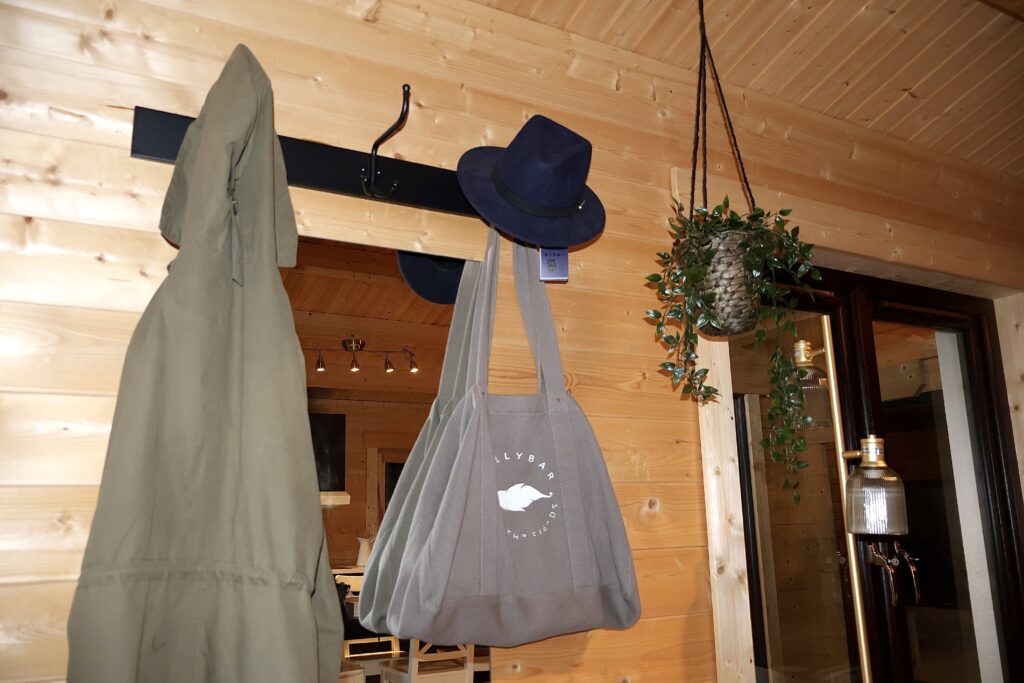
Log cabin hallway interior Ireland with timber walls and hanging storage space

Should You Wait or Start Now?

This is the big question for many homeowners.

Option 1: Wait for the Policy

Pros:

  • Avoid planning permission entirely
  • Potentially simpler process

Cons:

  • Uncertain timeline
  • Possible changes to conditions

Option 2: Start Now

Pros:

  • Get ahead of demand
  • Lock in current pricing
  • Begin planning immediately

Cons:

  • May still require planning permission (for now)

For many, the best approach is to start exploring options now, so you’re ready to move quickly when changes are confirmed.

Expert Insight: A Shift in How We Think About Housing

This proposal signals something bigger than just a policy change.

It reflects a shift toward:

  • Flexible living spaces
  • Decentralised housing solutions
  • Faster, more adaptable construction

Rather than relying solely on large-scale developments, the government is exploring ways to empower individual homeowners to contribute to housing supply.

Final Thoughts

The delay in exempting modular homes from planning permission is not the end of the story—it’s part of the process.

While disagreements between Fine Gael and Fianna Fáil have slowed progress, the overall direction remains clear.

Ireland is moving toward a future where:

  • Modular homes play a key role in housing
  • Planning systems become more efficient
  • Homeowners have greater flexibility

For anyone considering a log cabin, garden room, or modular home, this is a space worth watching closely.

Thinking About a Modular Home?

Whether you’re planning a garden home office, extra living space, or a rental opportunity, now is the time to start exploring your options.

Because when this policy lands—it could change everything.

Start Planning Your Cabin Now

At Timber Living, we’ve been building modular homes and log cabins in Ireland for over 20 years — long before these changes were introduced.

Whether you need:

Our team can guide you through current regulations and upcoming changes.

👉 Request your quote today or visit one of our showrooms to see our builds in person.

Posted on Leave a comment

Log Cabins in Ireland: What the New Planning Changes Mean for Homeowners in 2026

Ireland’s housing landscape is shifting—and fast. If you’ve been considering a log cabin, garden room, or modular home, the latest government proposals could completely change what’s possible on your land.

In March 2026, new planning reforms were announced that aim to simplify how homeowners extend, adapt, and build on their properties. And for the log cabin industry in Ireland, this is a major turning point.

In this guide, we’ll break down:

  • What the new planning changes actually mean
  • How they affect log cabins and modular homes
  • What you can now build (without permission)
  • Why 2026 could be the best time yet to invest in a cabin
  • How to choose the right log cabin for your needs

Why Log Cabins Are Growing in Ireland

Log cabins in Ireland have evolved far beyond simple garden sheds. Today, they are being used as:

  • Full-time residential homes
  • Home offices and remote work spaces
  • Rental accommodation (Airbnb or long-term lets)
  • Multi-generational living solutions
  • Wellness spaces like gyms, saunas, and studios

With rising property prices and limited housing supply, log cabins offer a flexible, cost-effective alternative to traditional builds.

But until now, planning permission has been one of the biggest barriers.


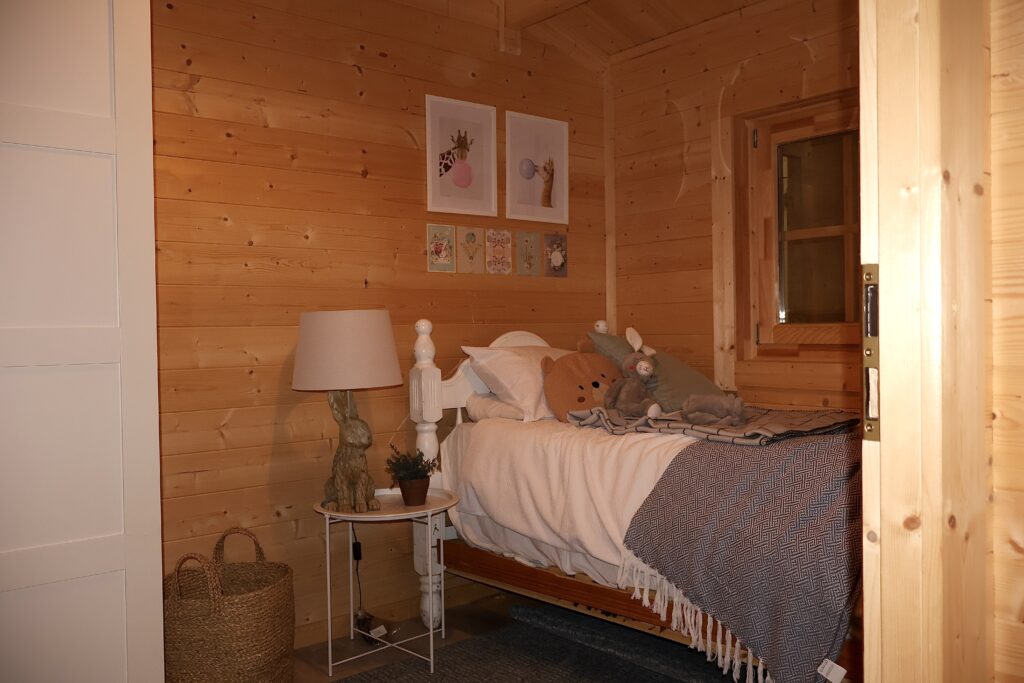
Two bedroom log cabin interior Ireland with timber walls and natural light
Warm, natural interiors designed for comfort in our two-bedroom log cabins.

The 2026 Planning Changes Explained

In a recent government proposal led by Minister of State for Housing John Cummins, Ireland is set to introduce significant changes to planning exemptions for residential properties.

These changes are expected to go through consultation and could be implemented later this year.

Key Updates That Affect Log Cabins

Here’s what matters most if you’re considering a log cabin in Ireland:

1. Larger Garden Buildings Allowed

Detached structures in back gardens—such as:

  • Log cabins
  • Garden rooms
  • Home offices
  • Gyms

…are set to increase from 25m² to 30m² without planning permission.

This is a big deal.

It means more usable space, better layouts, and more realistic living options—without the delays of planning approval.


Log cabin hallway interior Ireland with timber walls and hanging storage space
Smart storage details designed for everyday living in our log cabins.

2. Bigger Home Extensions

The maximum size for rear extensions is expected to increase:

  • From 40m² → 45m²

This opens the door to:

  • Larger integrated cabin-style extensions
  • Hybrid builds (house + modular unit)
  • More spacious layouts overall

3. Modular Buildings in Gardens Becoming Easier

One of the most important updates:

Modular buildings in back gardens will be allowed under expanded exemptions.

This directly impacts log cabins and prefabricated homes.

It signals a shift in how the government views alternative housing—moving from restriction to encouragement.


Log cabin kitchen interior Ireland with modern units and timber finish
Modern kitchen design finished in natural timber for everyday living.

4. Easier Property Subdivision

The new proposals may allow:

  • Larger homes to be subdivided
  • Older homeowners to downsize
  • More efficient use of existing property

This creates opportunities to:

  • Add a log cabin and create a second dwelling
  • Generate rental income
  • Support family members on the same site

5. Simplified Upgrades & Additions

Other changes include:

  • External insulation no longer requiring planning
  • Heat pumps allowed anywhere on the property
  • Front garden storage (bike sheds, bins) permitted
  • Boundary walls and gate pillars increased to 1.5m

All of this contributes to one thing:

👉 Less red tape for homeowners


What This Means for Log Cabins in Ireland

These changes aren’t just minor updates—they represent a shift in mindset.

For years, planning restrictions slowed down:

  • Garden builds
  • Modular homes
  • Alternative living solutions

Now, the system is adapting.

The Big Opportunity

If implemented, these changes mean:

  • Faster project timelines
  • Lower upfront costs (no planning fees)
  • Reduced uncertainty
  • More design freedom

And most importantly:

👉 More people can actually build


Can You Live in a Log Cabin in Ireland?

This is the question everyone asks.

The answer is:

Yes—but it depends on how it’s used and classified.

Under Current & Proposed Rules

You may be able to:

  • Use a cabin as a home office or studio (exempt)
  • Use it as accommodation linked to the main house
  • Build under exemption if within size limits

However, for:

  • Full independent residential use
  • Separate addresses
  • Permanent dwellings

Planning permission may still be required.


But Here’s What’s Changing…

With modular buildings now being recognised in exemptions, we are moving closer to a system where:

👉 Log cabins are treated as real housing solutions—not temporary structures.


Why 2026 Is a Turning Point

The government has stated that planning exemption rules have not been significantly updated in nearly 25 years.

This reform aims to:

  • Reduce pressure on the planning system
  • Speed up minor developments
  • Help homeowners take action faster

Combined with:

  • Rising housing demand
  • Increased construction costs
  • Growing interest in flexible living

…it creates the perfect conditions for log cabins to become mainstream.


Choosing the Right Log Cabin

If you’re considering building a log cabin in Ireland, here are the key things to think about:

1. Purpose

What will you use it for?

  • Living space
  • Rental income
  • Work/studio
  • Family use

This determines size, layout, and spec.


2. Size & Layout

With the new 30m² exemption threshold, you can now design:

  • One-bed layouts
  • Open-plan living spaces
  • Fully functional studios

3. Materials & Build Quality

Look for:

  • High-grade timber (e.g. Scandinavian spruce)
  • Insulation suited for Irish weather
  • Double-glazed windows and doors

4. Customisation

The best log cabins are not fixed designs.

You should be able to:

  • Adjust dimensions
  • Choose window placements
  • Add verandas or utility spaces

5. Future-Proofing

Think long-term:

  • Can it be extended later?
  • Can it adapt to new regulations?
  • Will it add value to your property?

Cost of Log Cabins in Ireland

Prices vary depending on size, specification, and customisation.

Typical starting points:

  • Small garden rooms: €7,000
  • One-bed cabins: €26,000
  • Two-bed residential cabins: €42,000

Compared to traditional construction, this is significantly more affordable—and much faster to deliver.


Log Cabins vs Traditional Extensions

Let’s compare:

FeatureLog CabinTraditional Extension
PlanningOften exemptUsually required
Build TimeWeeksMonths
CostLowerHigher
FlexibilityHighLimited
DisruptionMinimalHigh

Open plan log cabin interior Ireland with living and dining area in timber finish
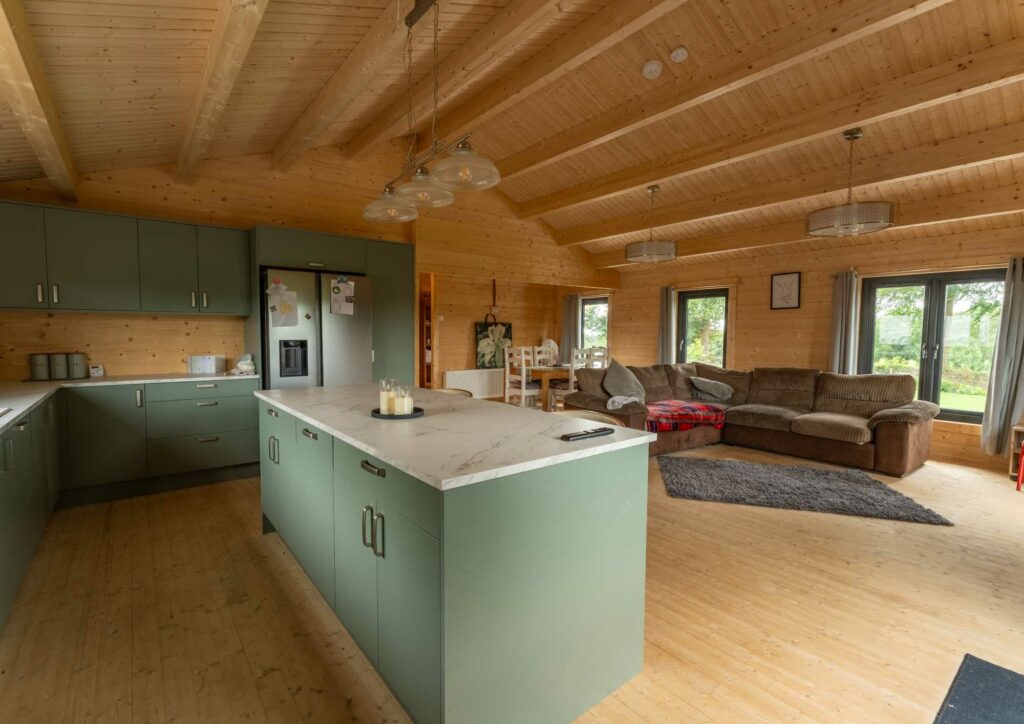
Spacious open-plan living designed to maximise light, comfort and flow.

The Future of Housing in Ireland

The direction is clear.

Ireland is moving towards:

  • Faster builds
  • Smarter use of land
  • Flexible housing solutions

Log cabins sit right at the centre of this shift.

They offer:

  • Independence without relocation
  • Space without major construction
  • Opportunity without long delays

Final Thoughts

The 2026 planning changes could be the biggest opportunity the log cabin industry in Ireland has seen in decades.

For homeowners, it means:

  • More freedom
  • Less bureaucracy
  • Faster decisions

And for anyone considering a cabin:

👉 Now is the time to start planning.

Because by the time these regulations are fully implemented, demand will follow.


Ready to Explore Your Options?

Whether you’re looking for a home office, a rental unit, or a full residential cabin, the first step is understanding what’s possible on your site.

Visit Timber Living to explore:

  • Flexible cabin designs
  • Customisable layouts
  • Options built for Irish conditions

Or speak to the team directly and start planning your project today.


📍 Showroom Locations:

Tullow, Co. Carlow: +353 59 918 1039 / +353 86 821 4537
Boyle, Co. Roscommon: +353 86 817 0429
Carrigaline, Co. Cork: +353 87 646 4280

Posted on Leave a comment

Big Changes in Irish Planning Law: What It Means for Modular Housing in 2026

Ireland is on the brink of one of the biggest modernisations to its planning laws in over two decades — and it could be a game-changer for modular housing, cabins, garden offices, granny flats and other small-scale builds. What was once a red-tape-heavy process is now being simplified, offering more flexibility and clarity for homeowners, landowners and rural communities.

Here’s everything you need to know about today’s planning law landscape — and what the new exempted development regulations being drafted could mean for you.


🏡 What Planning Law Currently Allows

At present in Ireland, house extensions and outbuildings benefit from “exempted development” rights — meaning you don’t need planning permission for certain small builds if they meet specific criteria (size limits, location behind the home, etc.). Under current rules:

  • Detached structures up to around 25–40 m² can be built without permission — but modular homes and garden cabins intended for living accommodation typically still require planning approval.

This has been a barrier for many homeowners or landowners who want to use modular units for flexible accommodation — such as granny flats, home offices, studios, or rural workforce housing.


📣 What’s Changing: Exempted Development Law Updates

A wide-reaching review of exempted development regulations is now underway as part of the Planning and Development Act 2024. The Irish Government has confirmed:

  • A public consultation on updated exemptions closed in late 2025, with over 900 submissions — more than half of them supportive of extending exemptions to modular-style homes up to 45 m² to the rear of an existing dwelling.
  • These updates are part of an implementation plan intended to modernise planning provisions that haven’t been substantially updated in 24 years.
  • Draft regulations were discussed in the Dáil in early 2026 and are at an advanced stage — including exemptions for standalone modular units behind houses.

Currently, these updated exemptions are not yet law and the existing planning regime still applies until the new provisions are formally signed into law later in 2026.


🛠️ Why These Planning Changes Matter for Modular Housing

If enacted as proposed, the updated planning exemptions will:

✔️ Remove the need for planning permission for standalone modular homes up to around 45 m² behind a dwelling
✔️ Streamline the process for garden cabins, granny flats, studios, offices and extra living spaces
✔️ Free up local authority planners to focus on larger developments
✔️ Help homeowners and landowners adapt their existing property faster and more affordably

These changes reflect growing recognition from policymakers that flexible, smaller dwellings play a role in addressing housing challenges and evolving family living needs.

Irish planning law changes 2026 affecting modular homes and log cabins in Ireland

🧠 Public Reaction and Concerns

While most submissions to the consultation were supportive, some housing advocates have voiced concerns:

  • Safeguards are needed to ensure that exempt structures do not become sub-standard rental units.
  • Rights-based protections should be included for tenants and elderly residents.

These voices are helping shape the final regulations.


📌 How This Could Impact You

If you’re thinking about installing a modular cabin, granny flat, garden office or detached living space, the upcoming planning exemptions could make the process faster, simpler and cheaper:

✅ No planning application needed for small modular units (once exemptions pass into law)
✅ Ideal for extra family accommodation, home offices, guest houses, studios, Airbnb or rental spaces
✅ Offers flexible options for rural landlords, farmers and first-time buyers

Existing exempted development rules may still apply now — but changes are coming soon. Always check with your local council before starting any build.


Tips Before You Build

Even if planning permission won’t be required under the new regime, be sure to:

  • Confirm updated exemptions are legally active in your council area
  • Ensure your modular build fits the size and location criteria
  • Check building regulation compliance (fire safety, insulation, waste, etc.)
  • Choose a trusted modular builder familiar with Irish planning law

🔍 Final Thoughts

Ireland’s planning law modernisation marks a major step forward for homeowners, rural families and landowners looking for flexible living solutions. With the right planning exemptions in place, modular homes and cabins could become a mainstream homebuilding option — offering affordable, adaptable, and ready-to-install spaces without the wait and cost of lengthy planning approvals.

Stay tuned as these regulatory changes progress through 2026 — and consider how modular housing could unlock the full potential of your property.

Ready to take the next step? 🌲

✨ Visit one of our showrooms to explore your options in person
✨ Speak directly with our cabin experts
✨ Get clarity on planning, design, and next steps

Your new home starts with a conversation.

📍 Showroom Locations:
Tullow, Co. Carlow: +353 59 918 1039 / +353 86 821 4537
Boyle, Co. Roscommon: +353 86 817 0429
Carrigaline, Co. Cork: +353 87 646 4280

Posted on Leave a comment

Log Cabin Prices in Ireland (2026 Guide): Real Costs, Smart Planning & What’s Included

If you’re researching log cabin prices in Ireland, you’re likely at the serious decision stage — comparing costs, exploring residential options, and trying to understand what’s actually included.

Demand for log cabins in Ireland has grown significantly in recent years, as more homeowners look for flexible living space, home offices, garden rooms, and even full residential log cabins as an alternative to traditional construction.

In this 2026 guide, we break down:

  • How much log cabins cost in Ireland
  • What affects the final price
  • How residential log cabins compare to traditional builds
  • Planning permission considerations
  • What’s included when you build with Timber Living

Whether you’re considering a small garden room or a fully insulated residential cabin, this guide will help you plan with clarity.


How Much Do Log Cabins Cost in Ireland?

The cost of log cabins in Ireland varies depending on size, insulation level, layout and intended use.

As a general guide:

Small Garden Rooms (Home Office / Studio)

Ideal for remote work, hobbies or extra living space.

Typical price range:
From approx. €5,000 – €16,000+

This depends on:

  • Size (e.g. 3.02m x 3.02m vs 6.00m x 4.50m)
  • Insulation level
  • Windows and doors
  • Internal finishes

1 Bedroom Log Cabins

Suitable for guest accommodation, Airbnb use (subject to regulations) or extended family living.

Typical price range:
From approx. €26,000 – €42,000+

Factors influencing cost include:

  • Bathroom installation
  • Kitchen fit-out
  • Residential insulation standards
  • Groundworks and utilities

2 Bedroom Residential Log Cabins in Ireland

For those researching 2 bedroom log cabin prices in Ireland, these are increasingly popular as permanent homes or downsizing solutions.

Typical price range:
From approx. €37,000 – €98,000+

The final price depends on:

  • Floor area
  • Specification level
  • Internal layout complexity
  • Foundations and site preparation

Custom Timber Frame Homes

For larger or fully bespoke projects, pricing will depend entirely on the design and specification.

If you are comparing timber frame house prices in Ireland, log cabins and timber homes often offer:

  • Faster build times
  • Lower labour costs
  • Reduced on-site disruption

A tailored design consultation is always recommended for accurate costing.


What Affects Log Cabin Prices in Ireland?

When comparing log cabin costs in Ireland, it’s important to understand what influences pricing.

1. Size & Layout

The larger the cabin, the higher the cost — but cost per square metre often becomes more efficient at scale.

Open-plan designs may cost less than highly segmented layouts with multiple internal walls.


2. Insulation & Residential Standards

There is a significant difference between:

  • Basic garden room insulation
  • Fully insulated, residential-standard log cabins

For year-round living in Ireland’s climate, proper insulation is essential.

High-quality insulation ensures:

  • Warmth in winter
  • Comfort in summer
  • Lower long-term heating costs

This is particularly important for residential log cabins in Ireland.


3. Windows & Doors

Double or triple-glazed windows increase comfort and energy efficiency, and are included in the cost.


4. Foundations & Groundworks

Ground conditions vary across Ireland.

Costs may include:

  • Concrete base
  • Drainage
  • Service connections
  • Utility trenching

Groundworks are often one of the most overlooked costs when calculating log cabin prices.


5. Internal Finishes

Depending on your specification, internal costs may include:

  • Flooring
  • Bathrooms
  • Kitchens
  • Heating systems
  • Electrical fit-out

A clear breakdown of what’s included is essential when comparing suppliers.


Are Log Cabins Cheaper Than Traditional Homes in Ireland?

One of the most common questions is:

Are log cabins cheaper than traditional block-built homes?

In many cases, yes — particularly when comparing:

  • Build speed
  • Labour costs
  • Overall project timelines

Traditional construction in Ireland can involve:

  • Long build schedules
  • Multiple contractors
  • Weather delays
  • Escalating labour costs

By contrast, timber and log cabin builds are:

  • Faster to install
  • Manufactured off-site
  • More predictable in timeline

While exact comparisons depend on project scope, many homeowners researching timber frame house prices in Ireland are doing so because they want:

  • Cost control
  • Speed
  • Reduced disruption

Do You Need Planning Permission for a Log Cabin in Ireland?

Planning permission is one of the most searched topics around log cabins Ireland.

In some cases, smaller garden rooms may fall under exempt development — but this depends on:

  • Size
  • Location on site
  • Intended use
  • Whether it is for sleeping accommodation

For full residential log cabins, planning permission is typically required.

We recommend reading our full guide on:
👉 Planning Permission for Log Cabins in Ireland

Understanding planning requirements early helps avoid delays and unexpected costs.


What’s Included in Timber Living Log Cabin Pricing?

When comparing log cabin prices in Ireland, clarity is key.

At Timber Living, transparency is central to the process.

While specifications vary by project, pricing typically includes:

  • High-quality timber construction
  • Insulated walls, floors and roof
  • Windows and doors
  • Professional installation
  • Delivery
  • Design consultation

Every project begins with a discussion around:

  • Intended use
  • Budget
  • Site conditions
  • Planning requirements

This ensures you understand what is included from the outset — avoiding hidden surprises later.


Why Demand for Log Cabins in Ireland Is Growing

Data across Ireland shows sustained growth in demand for:

  • Log cabins Ireland
  • Residential log cabins Ireland
  • Log cabin prices Ireland

Key reasons include:

Remote Work

Home offices and garden studios are now a long-term solution, not a temporary trend.


Housing Supply Challenges

With housing shortages and rising build costs, timber solutions offer a faster path to additional living space.


Cost Predictability

Many homeowners prefer the structured pricing and defined timelines of timber construction.


Flexible Living Solutions

From multi-generational living to downsizing, log cabins provide adaptable space.


Frequently Asked Questions About Log Cabin Prices in Ireland

How much does a log cabin cost in Ireland?

Prices vary depending on size and specification, but small garden rooms may start from around €26,000, while larger bedroom residential log cabins can exceed €100,000 depending on finishes and groundworks.


Can you live permanently in a log cabin in Ireland?

Yes, but residential log cabins typically require planning permission and must meet insulation and building standards for year-round living.


Are log cabins warm in winter?

When properly insulated, log cabins are fully suitable for Ireland’s climate and can provide comfortable year-round living.


What is the cheapest log cabin option?

Smaller garden rooms designed for office or hobby use are typically the most affordable option.


How long do log cabins last?

With proper construction and maintenance, high-quality timber cabins can last for decades.


Final Thoughts: Planning Your Log Cabin Project in Ireland

If you’re researching log cabin prices in Ireland, the most important step is clarity.

Understand:

  • Your intended use
  • Your budget range
  • Your planning requirements
  • What’s included in your quotation

Transparent pricing, proper insulation and expert guidance make the difference between a stressful project and a smooth one.

Whether you’re considering a garden room, a 2 bedroom log cabin, or a fully residential timber home, careful planning ensures long-term satisfaction.

If you’d like to discuss your project, Timber Living offers a free design consultation to help you explore your options with confidence.

Visit Our Showrooms & See Our Log Cabins for Yourself

If you’re comparing log cabin prices in Ireland, the best next step is to see the quality for yourself.

At Timber Living, you can visit our showrooms to walk through fully built log cabins, explore layouts, check insulation levels, and speak directly with our team about pricing, planning, and timelines.

There’s no pressure — just clear advice to help you make the right decision.

Whether you’re considering a garden room, home office, or full residential log cabin, we’re here to guide you every step of the way.

👉 Visit Our Showrooms

📞 Call us today to arrange your visit

Posted on Leave a comment

Planning Permission for Log Cabins in Ireland (2026 Guide)

“Do You Need Planning Permission for a Log Cabin in Ireland?”

It’s the first question almost everyone asks.

Before price.
Before design.
Before layout.

And for good reason.

Because no matter how beautiful the cabin is — if you can’t get planning permission, the dream stops there.

Right now, one of the most searched terms in Ireland is:

  • “Planning permission for log cabins Ireland”
  • “Do you need planning permission for a log cabin?”
  • “Residential log cabins planning rules”

That tells us something important.

People aren’t browsing.

They’re serious.

So let’s answer it properly.


The Short Answer

✅ If it’s for residential use — YES, you need planning permission.

✅ If it’s a garden room under 25m² and not used for sleeping — you may be exempt.

But the real answer is more detailed.

And this is where many websites oversimplify things.


What the Irish Planning System Actually Looks At

When applying for planning permission for a log cabin in Ireland, the council doesn’t ask:

“Is it timber or block?”

They ask:

  • Is it habitable?
  • Is it compliant?
  • Is it suitable for the site?
  • Does the applicant meet local need (in rural areas)?

Your building material is rarely the deciding factor.

It’s about use and impact.


Residential Log Cabin vs Garden Cabin: The Critical Difference

Garden Cabin (Possible Exemption)

You do not need planning permission if:

  • The structure is under 25m²
  • It is located behind the front building line
  • It does not exceed height restrictions

This is typically for:

  • Home offices
  • Gyms
  • Hobby rooms
  • Storage

But the moment you add:

  • A bedroom
  • A bathroom
  • Cooking facilities
  • Full-time occupation

It becomes residential.

And that changes everything.


Planning Permission for Residential Log Cabins in Ireland

If you plan to live in the cabin full-time, it is treated the same as a traditional house under Irish planning law.

You will need:

  • Full planning application
  • Site maps
  • Architectural drawings
  • Site suitability assessment
  • Percolation test (if using septic tank)
  • Compliance with building regulations

The council assesses it exactly as they would a block-built home.

Because legally — it is a home.


Rural vs Urban: Why Location Matters

Planning outcomes depend heavily on location.

In Rural Areas

You may need to demonstrate:

  • Local housing need
  • Connection to the area
  • Compliance with county development plan
  • Appropriate site access

Some counties require proof that:

  • You grew up locally
  • You have family land
  • You work within a certain radius

This is not specific to log cabins.

It applies to all one-off rural housing.


In Urban Areas

Planning is assessed based on:

  • Zoning
  • Density
  • Impact on neighbours
  • Design compatibility

In towns and cities, local need is usually not a requirement — but space restrictions are tighter.


Why So Many People Get Confused

There’s a lot of misinformation online.

You’ll hear things like:

  • “It’s timber, so you don’t need planning.”
  • “If it’s removable, it’s temporary.”
  • “If it’s under a certain size, it’s exempt.”

These statements are incomplete.

In Ireland, planning is about use — not whether it sits on wheels or timber posts.

If it is being used as a dwelling, it requires permission.

Simple.


Can You Get Refused?

Yes.

Just like any house application.

Common reasons include:

  • Inadequate sight lines for access
  • Failing percolation tests
  • Overdevelopment
  • Not meeting local need criteria
  • Poor design integration

But refusal rates are often linked to poor preparation — not the building type.

That’s why professional drawings and proper site assessment matter.


Does a Log Cabin Meet Irish Building Regulations?

This is another major concern behind planning –

A properly constructed residential timber home must comply with:

  • Structural stability (Part A)
  • Fire safety (Part B)
  • Moisture resistance (Part C)
  • Sound (Part E)
  • Ventilation (Part F)
  • Conservation of fuel and energy (Part L)

Modern timber frame construction can meet — and often exceed — these requirements.

But only when built to residential specification.

Cheap imported garden cabins will not meet these standards.

That distinction is critical.


How Long Does Planning Take?

Typical timeline:

  1. Application submitted
  2. 5-week public notice period
  3. 8-week council decision window
  4. 4-week appeal period

Realistically, from submission to final grant: 3–4 months (if smooth).

Appeals can extend that timeline.


What Increases Your Chances of Approval?

If you want the strongest possible application:

✔️ Work with professionals familiar with your county
✔️ Ensure sight lines meet road safety standards
✔️ Complete a proper site suitability test
✔️ Design the home to blend with surroundings
✔️ Address local housing policy early

The smoother your preparation, the smoother the process.


Are Timber Homes Harder to Get Approved?

No.

Planning authorities assess:

  • Size
  • Scale
  • Impact
  • Use

Not whether the walls are timber or block.

In fact, sustainable construction is increasingly viewed positively.

Timber has strong environmental credentials, which aligns with national climate objectives.


What About Temporary Permission?

Some buyers ask about temporary planning permission.

In Ireland, temporary permissions are rare for residential dwellings unless:

  • There are specific site circumstances
  • Agricultural needs apply
  • Replacement homes are involved

You should plan for permanent approval.


The Real Question Behind Planning Searches

When someone types:

“Do you need planning permission for a log cabin in Ireland?”

What they’re really asking is:

“Is this realistic for me?”

And the honest answer is:

Yes — if you approach it correctly.

Thousands of timber homes exist across Ireland.

They are not loopholes.

They are legitimate housing solutions.


Step-by-Step: Your Planning Journey

Step 1: Site Assessment

Check zoning, access, and services.

Step 2: Engage an Architect or Engineer

Prepare compliant drawings.

Step 3: Complete Site Suitability Testing

Percolation and drainage.

Step 4: Submit Planning Application

Include notices and documentation.

Step 5: Await Decision

Respond promptly if further information is requested.

Step 6: Build with Confidence


Final Truth: Planning Isn’t the Obstacle — Uncertainty Is

Most people delay their decision because they fear rejection.

But the Irish planning system is not anti-timber.

It is pro-compliance.

When your application:

  • Meets regulations
  • Respects the development plan
  • Addresses site conditions

You stand every chance.


Thinking About Applying?

If you’re currently researching planning permission for a log cabin in Ireland, you’re not alone.

More people are actively moving from idea to action.

The next step isn’t guessing.

It’s getting real advice based on your site.


Visit a Timber Living Showroom

Walk through a completed residential model.
Ask about insulation, compliance, planning preparation.

📍 Tullow, Co. Carlow
+353 59 918 1039
+353 86 821 4537

📍 Boyle, Co. Roscommon
+353 86 817 0429

📍 Carrigaline, Co. Cork
+353 87 646 4280

Or explore residential models online and start the planning journey properly.

Because the question isn’t:

“Do you need planning permission?”

The real question is:

“Are you ready to build?”

Posted on Leave a comment

Two-Bed Log Cabins in Ireland from €40,000 – Unbeatable Value with Just a €4,000 Deposit

If you’ve been researching log cabins in Ireland, chances are you’ve noticed one thing very quickly:
prices are rising, deposits are steep, and the process often feels complicated.

At Timber Living, we do things differently.

We believe owning a high-quality two-bed log cabin for €40,000 should be achievable, transparent, and stress-free — not locked behind massive upfront costs or confusing contracts.

That’s why we offer one of the most accessible log cabin payment structures in Ireland, starting with just a €4,000 deposit.

In this guide, we’ll break down:

  • Why our €40,000 two-bed log cabin offers unbeatable value
  • How our low-deposit payment schedule works
  • Why more Irish homeowners are choosing log cabins over traditional builds
  • What makes Timber Living cabins different
  • How to visit our showrooms and take the next step

Why Log Cabins Are Booming in Ireland 🇮🇪

Across Ireland, log cabins are no longer just garden rooms or holiday retreats. They’re being used as:

  • Permanent homes
  • Granny flats
  • Rental units & Airbnb accommodation
  • Home offices or studios
  • Downsizing solutions
  • Planning-friendly alternatives to traditional builds

With traditional housing costs soaring, many people are looking for smart, flexible housing options that don’t compromise on comfort or quality.

That’s where log cabins come in — and why price transparency matters more than ever.

a room with a table and chairs

The Reality of Log Cabin Prices in Ireland

Many companies advertise “starting prices” that don’t reflect the final cost. Others require 50% deposits upfront, leaving buyers financially stretched before work even begins.

At Timber Living, our approach is different:

✔ Clear Pricing

Our two-bed log cabin is priced at €40,000 — with no misleading figures.

✔ Minimal Upfront Risk

We ask for only a €4,000 deposit to begin the process.

✔ Payment as Progress Happens

You pay as the build progresses — not all at once.

This structure allows you to plan financially with confidence, without draining savings or taking unnecessary risks.


Two-Bed Log Cabin for €40,000 – What You Get 🏡

Our two-bed cabins are designed to balance comfort, durability, and practicality.

While layouts can vary, customers typically love them for:

  • Two well-proportioned bedrooms
  • Bright, open living spaces
  • Strong, solid timber construction
  • A warm, natural interior feel
  • Versatility for residential or leisure use

Whether you’re planning a permanent home, a rental unit, or a private retreat, this cabin delivers outstanding value for money in the Irish market.

a living room with a couch and a rug

Our €4,000 Deposit – How It Works 💸

One of the biggest barriers to building in Ireland is the initial deposit requirement. Many companies demand 30–50% upfront, which can mean €20,000+ before work even begins.

We don’t believe that’s fair.

With Timber Living:

  • €4,000 deposit secures your build
  • No huge upfront financial pressure
  • No paying for work that hasn’t happened yet

This makes our cabins accessible to:

  • First-time buyers
  • Families downsizing
  • Self-builders
  • People funding projects gradually
  • Customers avoiding large loans

Discover Our Easy Payment Schedule ✨

Our payment structure is designed around trust, transparency, and progress.

🔨 Payment Stage 1 – Arrival on Site

Once our team arrives on site and work begins, the next payment is made.
You can see real progress before paying further.

🪚 Payment Stage 2 – After the First 3 Days of Work

After three days of on-site construction, another payment is made.
By this point, the structure is clearly taking shape.

🏁 Payment Stage 3 – Completion

The final payment is made when the project is completed.

That’s it — no hidden stages, no confusing milestones, no surprises.


Why Our Payment Structure Builds Trust 🤝

We’ve found that customers value:

  • Paying as work happens
  • Seeing progress before committing further funds
  • Knowing exactly what comes next

This approach removes uncertainty and allows you to feel fully in control of your investment from start to finish.


Built for Irish Conditions 🌦️

Ireland’s climate demands quality materials and experienced construction.

Our cabins are designed with:

  • Strong timber suitable for Irish weather
  • Solid construction methods
  • Long-lasting structural integrity
  • Practical layouts that suit year-round living

This isn’t flat-pack furniture — it’s serious construction, delivered with care.


Ideal Uses for a Two-Bed Log Cabin

Our €40,000 two-bed log cabin is commonly used as:

🏠 A Primary Residence

An affordable alternative to traditional housing.

👵 Granny Flat

Keep family close while maintaining independence.

💼 Home Office + Guest Space

Perfect for remote work and visitors.

🏖️ Holiday Home

Enjoy your own retreat without ongoing accommodation costs.

💶 Rental or Airbnb Unit

A smart investment opportunity with strong demand.


Visiting Our Showrooms – See the Quality for Yourself 📍

We always encourage customers to visit us in person. Seeing the cabins up close makes all the difference.

📍 Tullow, Co. Carlow

📞 059 918 1039 / 086 821 4537

📍 Boyle, Co. Roscommon

📞 086 817 0429

📍 Carrigaline, Co. Cork

📞 087 646 4280

Our team will walk you through:

  • Cabin options
  • Pricing
  • Payment schedules
  • What to expect from start to finish

No pressure. Just honest guidance.


Why Choose Timber Living?

Customers choose us because we offer:

Unbeatable prices
Low €4,000 deposit
Transparent payment stages
Irish-based showrooms
Clear communication
Real value for money

In a market filled with uncertainty, we focus on clarity, fairness, and results.


Ready to Build Your Cabin? 🌟

If you’ve been searching for:

  • Two-bed log cabins in Ireland
  • Log cabins under €40,000
  • Log cabin with low deposit Ireland
  • Affordable cabins Ireland

You’ve just found one of the best-value options available.

📞 Contact us today or visit one of our showrooms to start your journey.

Your cabin.
Your timeline.
Your budget.


Posted on Leave a comment

Why January Is the Smartest Time to Plan a Log Cabin or Timber Build in Ireland


January has a reputation for being quiet, slow, or even unproductive. The festive rush has passed, the days are still short, and many people feel like they’re waiting for the year to properly begin.

But when it comes to building — especially log cabins and timber structures — January is one of the most important months of the year.

At Timber Living, we’ve seen a clear pattern over time: the projects that run most smoothly, stay within budget, and deliver the best long-term results almost always start with early planning — and that planning very often begins in January.

If you’re considering a log cabin, garden room, home office, or timber frame build in 2026, this is why January is the smartest time to start.

T 24061 02

January Is a Planning Month, Not a Building Month — and That’s a Good Thing

One of the biggest misconceptions about building is that progress only happens once construction starts. In reality, the most important work happens long before anything is built.

January offers something rare: mental space.

There’s less social pressure.
Fewer distractions.
More time to think clearly.

This makes it the ideal moment to step back and ask the right questions:

  • What space do I actually need?
  • How will I use it day to day?
  • Is this a short-term fix or a long-term solution?
  • What budget makes sense — not just now, but over time?

Rushed decisions made in spring or summer often lead to compromises later. January planning allows you to design a solution that truly fits your life.


A New Year Often Highlights What’s Not Working at Home

January is when many people become acutely aware of the limitations of their current space.

After spending more time at home over the winter, common realisations include:

  • A spare bedroom no longer works as a home office
  • Working from the kitchen or living room isn’t sustainable
  • There’s no quiet space for focus, creativity, or meetings
  • Storage is becoming a constant issue
  • The house feels full, but extending feels overwhelming

For many homeowners, a log cabin or timber structure becomes a practical alternative to moving house or undertaking major renovations.

It offers:

  • A dedicated space without disrupting the main home
  • Flexibility of use (office, studio, guest space, rental)
  • Faster timelines compared to traditional extensions
  • Strong long-term value

January is often the moment when people stop tolerating inconvenience and start looking for real solutions.

kitchen log house

Planning Early Gives You More Control Over Budget

Budget clarity is one of the biggest advantages of starting in January.

When people plan early, they can:

  • Explore different cabin sizes and layouts calmly
  • Compare specifications and inclusions properly
  • Understand what affects price and what doesn’t
  • Avoid panic decisions driven by time pressure

It also allows time to:

  • Phase a project if needed
  • Save or allocate funds gradually
  • Decide where it makes sense to invest more (insulation, finish, longevity)
  • Avoid unexpected costs later on

A well-planned build almost always costs less than a rushed one — even if the final structure is the same.


Winter Is the Best Time to Design for Year-Round Use

Another advantage of January planning is that you’re thinking about your space during the coldest part of the year.

This naturally leads to better decisions around:

  • Insulation
  • Heating options
  • Window placement
  • Natural light
  • Ventilation
  • Long-term comfort

People who plan in summer often focus on how a cabin looks or feels in warm weather. People who plan in winter tend to think more realistically about year-round usability — which is exactly what you want in Ireland’s climate.

A log cabin or timber structure should work just as well in January as it does in July.


Planning Permission & Technical Prep Take Longer Than You Think

For larger cabins and timber frame projects, January is an ideal time to begin because planning and technical preparation take time.

Depending on your project, this may involve:

  • Reviewing planning permission requirements
  • Consulting with an engineer or architect
  • Preparing drawings or technical specifications
  • Clarifying site access and groundwork considerations
  • Understanding what is and isn’t included in a build

Starting these conversations early avoids unnecessary delays later in the year and gives you clarity before you commit.

Even if your project doesn’t require planning permission, January allows you to fully understand the process without pressure.


Why Log Cabins Make Sense in a Cost-Conscious Year

With construction costs, housing pressure, and interest rates continuing to influence decisions, many homeowners are looking for smarter alternatives to traditional builds.

Log cabins and timber structures offer:

  • Predictable pricing
  • Faster timelines
  • Lower disruption
  • Flexibility of use
  • Long lifespan when properly built and maintained

For many people, they represent a way to improve quality of life without overextending financially.

January is when this kind of careful, long-term thinking happens.


January Planning Leads to Better Availability Later

Another often-overlooked benefit of planning early is availability.

By starting your research in January, you:

  • Have more choice in models and specifications
  • Can plan build timelines realistically
  • Avoid peak-season pressure
  • Are better positioned when demand increases later in the year

Even if your build doesn’t happen until summer or autumn, early planning gives you options — and options are power.


Log Cabins Are No Longer “Extra” Space — They’re Core Space

One of the biggest shifts we’ve seen in recent years is how people use their cabins.

They’re no longer:

  • Occasional garden rooms
  • Seasonal extras
  • Short-term solutions

Instead, they’re being used as:

  • Full-time home offices
  • Creative studios
  • Therapy and wellness spaces
  • Guest accommodation
  • Rental units
  • Long-term extensions to the home

January is when people start thinking seriously about how they want to live and work — and cabins fit naturally into that conversation.


Timber Frames: Planning Early Is Essential

For timber frame projects, January planning is even more important.

These builds require:

  • Clear technical criteria
  • Planning permission in place
  • Engineer sign-off
  • Defined scope and expectations

Starting early allows time to ensure everything is aligned before moving forward, avoiding costly changes or delays later on.


The Value of Talking Early — Without Pressure

One of the biggest advantages of starting in January is that you don’t need to decide anything yet.

This is the time to:

  • Ask questions
  • Explore options
  • Learn what’s possible
  • Understand what suits your site and needs

Good planning starts with good information — not rushed decisions.


Start the Year With Clarity, Not Pressure

You don’t need to build in January.
You don’t need to commit this week.
You don’t need all the answers yet.

What January offers is clarity — and clarity leads to better outcomes.

If you’re considering a log cabin or timber build in 2026, starting the conversation now puts you in a strong position for the months ahead.

At Timber Living, we’re here to help you understand your options, plan properly, and move forward when the time is right.


Thinking about a log cabin or timber build this year?

January is the perfect time to explore your options, ask questions, and plan without pressure.

Posted on Leave a comment

Extra Space Without Moving: Why Irish Homeowners Are Turning to Log Cabins in 2026

💭 What if the space you need is already in your garden?

As Ireland heads into 2026, one thing is clear: space has become a luxury.
House prices remain high, rental pressure hasn’t eased, and many homeowners are asking the same question:

How do we get more room without moving?

For thousands of Irish families, professionals, and downsizers, the answer is surprisingly simple — a high-quality log cabin.

Once seen as a garden shed or holiday extra, log cabins have evolved into fully usable, year-round living spaces. From home offices and gyms to guest accommodation and family extensions, cabins are now one of the most practical investments Irish homeowners can make.

This guide breaks down why log cabins make sense in 2026, how they’re being used across Ireland, and what to consider before taking the next step.


The Irish Housing Reality in 2026

3 bedroom log house with a gravel path and grass

Ireland’s housing challenges aren’t new — but they’re shaping how people think about space.

  • Upsizing is expensive
  • Extensions are slow, disruptive, and costly
  • Planning permission can delay projects for months

For many households, moving simply isn’t realistic.

Instead, homeowners are choosing to work with what they already own — their garden.

A log cabin offers:

  • No need to sell or re-mortgage
  • Faster installation timelines
  • Predictable costs
  • Flexible usage over time

In short: less stress, more control.


What Can a Log Cabin Be Used For?

One of the biggest advantages of a log cabin is flexibility. The same structure can evolve with your life.

🖥 Home Office or Remote Workspace

Remote and hybrid work is here to stay. A cabin gives you:

  • Separation from the main house
  • Quiet, focused working conditions
  • A professional space without renting an office

🏋️ Home Gym or Wellness Room

Save on memberships and commute time with:

  • A private gym
  • Yoga or meditation space
  • Sauna or recovery room

🛏 Guest Accommodation

Perfect for:

  • Visiting family
  • Adult children home from college
  • Short-term stays without sacrificing privacy

🧸 Playroom or Teenage Den

As families grow, cabins become:

  • Creative spaces
  • Gaming rooms
  • Study zones

🌿 Hobby Room or Creative Studio

Artists, musicians, and makers love cabins for:

  • Natural light
  • Calm surroundings
  • Dedicated creative flow

Why Log Cabins Are Ideal for Irish Weather

A common concern in Ireland is weather — and rightly so.
Modern log cabins are designed for year-round use, even in wet, windy conditions.

High-quality cabins typically include:

  • Thick interlocking timber walls
  • Proper roof insulation
  • Double-glazed windows and doors
  • Ventilation to prevent moisture buildup

When built correctly, a log cabin is warm in winter, cool in summer, and comfortable all year.


Log Cabin vs House Extension: A Clear Comparison

FeatureHouse ExtensionLog Cabin
CostHigh & variableTransparent & predictable
TimelineMonthsWeeks
DisruptionMajorMinimal
PlanningOften requiredOften exempt
FlexibilityFixedAdaptable
Stress LevelHighLow

For many homeowners, the decision becomes obvious.


Planning Permission in Ireland: What You Need to Know

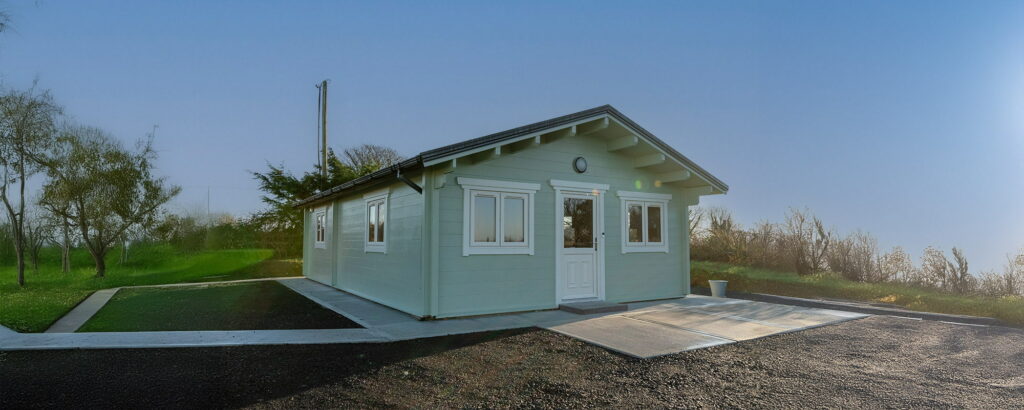
a small house with a driveway

In many cases, log cabins fall under exempted development, meaning no planning permission is required — provided certain conditions are met.

Key considerations include:

  • Size limits
  • Height restrictions
  • Use (non-permanent living space)
  • Distance from boundaries

A reputable supplier will walk you through this clearly, so there are no surprises.


A Smarter Investment for 2026

Beyond lifestyle benefits, a log cabin can add serious long-term value:

  • Improves property appeal
  • Enhances usability of outdoor space
  • Attracts future buyers
  • Supports rental or guest use (where applicable)

In a tight housing market, versatile space matters.


Why Quality Matters More Than Ever

Not all log cabins are created equal.

When choosing a supplier, look for:

  • Solid timber construction (not thin panels)
  • Clear specifications
  • Transparent pricing
  • Showrooms you can visit
  • Irish experience and support

Seeing a cabin in person makes all the difference.


Visit a Showroom. Ask the Questions. See the Difference.

Photos are helpful — but nothing replaces stepping inside a real cabin.

You’ll feel:

  • The warmth of the timber
  • The solidity of the build
  • The scale of the space

And most importantly, you’ll be able to imagine how it fits into your life.


Ready to Create More Space in 2026?

💭 You don’t need to move.
💭 You don’t need a stressful renovation.
💭 You just need the right solution.

A log cabin gives you freedom, flexibility, and future-proof space — right where you already live.


🌲 Visit Timber Living and see what’s possible.

📍 Showroom Locations & Contact Details:
Tullow, Co. Carlow
📞 +353 59 918 1039 | +353 86 821 4537

Boyle, Co. Roscommon
📞 +353 86 817 0429

Carrigaline, Co. Cork
📞 +353 87 646 4280
👉 Walk through real cabins
👉 Ask real questions
👉 Get clear, honest advice

Your extra space might already be waiting — just outside your back door.

Posted on Leave a comment

Why Irish Homeowners Are Choosing Log Cabins as Winter Extensions (2025 Guide)

How log cabins became Ireland’s fastest-growing solution for extra space — and why winter demand is at an all-time high.


Winter Is When Irish Homes Feel the Smallest

Every year as the evenings get darker and temperatures drop, homes across Ireland begin to feel tighter. Kids are indoors more. Remote workers need quiet space. Families welcome guests home for Christmas. And suddenly — the house that felt fine in September feels cramped in December.

It’s no surprise, then, that winter is now the busiest season in Ireland for log cabin extensions.

Whether it’s a warm home office, a spare bedroom, a teenager’s den, a rental unit, or a cosy playroom, more Irish homeowners are turning to log cabins as a fast, affordable, and energy-efficient way to extend their living space without months of disruption.

This guide explains why demand surges in winter, what’s driving the trend nationally, how much it costs, what planning rules apply, and why thousands of Irish families now view log cabins as the smarter alternative to traditional extensions.


1. The Winter Space Problem in Ireland

Winter changes how Irish homes are used. We spend more time indoors, entertain more, and work from home more. Here’s what’s behind the seasonal surge:

1.1 Remote Working Peaks in Winter

Hybrid work continues to dominate Ireland’s workforce, especially during colder months. Many homeowners simply don’t have a spare room that offers:

  • Privacy
  • Heat efficiency
  • Quiet for meetings
  • Fast setup

A dedicated cabin office solves this instantly — and without sacrificing a bedroom.

1.2 Children Spend Far More Time Indoors

Shorter days mean less outdoor play. Log cabins are becoming the modern version of the converted attic or converted garage — but far quicker, warmer, and more affordable.

Popular winter uses include:

  • Playrooms
  • Teen hangout rooms
  • Music rooms
  • Gaming rooms
  • Hobby and craft spaces

1.3 Visiting Family and Guests

At Christmas, many Irish households welcome home:

  • College students
  • Family travelling from abroad
  • Adult children returning temporarily

A warm, insulated log cabin provides independence and privacy — without the cost and disruption of a full home renovation.

1.4 The Rental & Passive Income Boom

Airbnb, long-term rental, and guest accommodation are increasingly attractive options for Irish homeowners facing rising mortgages and cost-of-living pressures.

A well-designed log cabin can become:

  • Guest accommodation
  • A long-term rental
  • A granny flat
  • A studio apartment
  • A short-stay Airbnb

And unlike building an extension onto your home, you still keep full privacy.


2. Why Log Cabins Have Become Ireland’s Favourite Winter Extension

2.1 Fast Turnaround — Ready Within Weeks, Not Months

Traditional block-built extensions can take:

  • 3–12 months to complete
  • Require major disruption
  • Often run over budget
  • Need multiple contractors

A Timber Living cabin, by contrast, can be delivered and built in a matter of weeks. For homeowners who need space now, especially before Christmas, this speed is unbeatable.

2.2 Cost-Effective Compared to Traditional Extensions

With labour shortages and rising material costs, block-built extensions in Ireland can cost from:

  • €2,200–€2,800 per m², often higher depending on finishes

A 30–40m² traditional extension can easily surpass €70,000–€95,000, and that’s before overruns.

By comparison:

  • Timber Living’s cabins start at €26,000
  • Popular 2-bed options begin at €42,000
  • Large family-sized cabins start at €82,000

This makes them one of the most affordable ways to gain instant extra space.

2.3 Warm, Energy-Efficient, and Ideal for Irish Winters

Ireland’s damp, cold climate demands high-performance building materials. Timber cabins excel naturally because:

  • Timber is a better insulator than block
  • Our treated Nordic spruce performs exceptionally in wet climates
  • Cabins heat quickly and retain heat effectively
  • Running costs are significantly lower than most homeowners expect

Many families report their cabins being warmer than their main homes due to modern insulation and airtight build methods.

2.4 Minimal Disruption to Your Home

Extensions take over your house and garden for months.

A log cabin:

  • Is built externally
  • Does not disturb your main home
  • Avoids internal demolition or renovation
  • Eliminates dust, noise, and chaos

This is especially important during winter when the household is already under pressure.

2.5 Versatile for Every Stage of Life

Log cabins grow with you, adapting to your family’s needs at every stage:

  • Young children → Playroom
  • Teens → Den or study area
  • Adults → Home office or gym
  • Guests → Private accommodation
  • Later years → A rental or granny flat

This is why many Irish homeowners now view cabins as futureproof extensions.


3. Planning Permission: What Irish Homeowners Need to Know

One of the biggest drivers behind the surge in cabin extensions is the 45m² planning exemption many homeowners can avail of — with specific conditions.

While every case varies, planning permission is often not required if:

  • The cabin is under 25m² and used as non-habitable space (office/playroom)
  • Or up to 45m² for certain uses, depending on interpretation and council requirements
  • The cabin is placed behind the main house
  • It does not reduce private open garden space below the minimum requirement
  • It is not used as a separate dwelling

Important:
Planning permission is ultimately determined by your local council. Many homeowners consult with a planning expert or engineer to ensure compliance.

For habitable use — such as bedrooms, long-term rental, or guest accommodation — additional requirements may apply, including:

  • Foundation and services
  • Insulation and energy performance
  • Access to water and waste
  • Fire safety requirements

Many of our customers begin by contacting their local engineer and then returning to us to finalise their design.


4. How Much Does a Log Cabin Winter Extension Cost?

Pricing depends on:

  • Size
  • Insulation package
  • Internal finishes
  • Windows & doors
  • Electrical and plumbing layouts

However, Irish homeowners typically choose from these popular categories:


4.1 One-Bed Log Cabins — From €26,000

Ideal for:

  • Guests
  • Teenage den
  • Home office
  • Studio space
  • Hobby rooms

4.2 Two-Bed Log Cabins — From €42,000

Perfect for:

  • Family accommodation
  • Older parents
  • Young adults returning home
  • Rental income

4.3 Three-Bed Log Cabins — From €82,000

These are full homes — often chosen by:

  • Large families
  • Multi-generational households
  • Homeowners seeking long-term rental income
  • Those building a permanent, affordable home

4.4 Garden Cabins (Small Extensions) — From €9,813

Used for:

  • Home office
  • Gym
  • Beauty room
  • Therapy room
  • Small business space
  • Studio

Payment Options

Most homeowners are surprised to learn how easy it is to start:

  • €4,000 deposit to secure your cabin
  • The remaining balance is paid in three split payments across the build

This makes budgeting far easier than traditional construction.


5. Irish Market Trends: Why Winter 2025 Demand Is Surging

5.1 The Housing Crisis Continues

With house prices and rents still rising, more families are investing in extra space where they already live, rather than moving.

5.2 Multi-Generational Living Is Increasing

Parents, grandparents, and adult children are increasingly living together under one roof.

A cabin provides privacy, independence, and comfort without the cost of buying a secondary property.

5.3 The Rise of Home-Based Businesses

Ireland’s cottage-industry economy has exploded:

  • Hairdressers
  • Therapists
  • PTs
  • Makeup artists
  • Music teachers
  • Remote workers

A cabin allows entrepreneurs to build a business at home without altering the main home or renting a premises.

5.4 Energy Awareness Is Higher Than Ever

Homeowners want:

  • Lower bills
  • Better insulation
  • More control over their heating

Cabins, with their high insulation and low running costs, fit perfectly into this shift.


6. Real Examples: What Irish Families Use Their Cabins For in Winter

From our recent builds, here are the most common winter use cases:


6.1 A Warm Home Office for Remote Workers

A quiet, heated cabin in the garden creates a physical and mental divide between work and home.


6.2 Teenager’s Private Space

Parents often say the cabin gives teenagers a safe place to relax, study, and socialise — without taking over the living room.


6.3 Guest Accommodation for the Holidays

Christmas visitors get a private, comfortable space, and homeowners avoid the stress of overcrowded rooms.


6.4 Rental Cabin for Extra Income

Many families rent out their cabin for:

  • Airbnb
  • Long-term tenants
  • Seasonal workers
  • Visiting relatives

It becomes an investment that pays for itself.


6.5 Extra Bedroom or Mini-Apartment for Elderly Family Members

Warm, accessible, and private — perfect for older parents who want independence but stay close.


6.6 Playrooms for Winter Months

A cabin becomes a warm, safe, dedicated play environment — keeping the main home tidy and quiet.


7. Comparing Log Cabins vs. Block-Built Extensions

FeatureLog CabinBlock-Built Extension
Build TimeWeeksMonths
Cost€26k–€82k€70k–€150k
PlanningOften exemptUsually required
DisruptionMinimalMajor
Energy EfficiencyVery highVaries
FlexibilityCan repurpose anytimeFixed use
AestheticWarm, natural, modernDepends on build
Seasonal DemandPeaks in winterLow in winter due to weather

The comparison makes one thing clear: for Irish families seeking space this winter, cabins offer unmatched value.


8. Why Winter Is the Best Time to Order Your Cabin

8.1 Avoid 2026 Price Increases

Material and labour costs rise each year. Ordering before year-end secures current pricing.

8.2 Faster Lead Times Before Spring Rush

Spring and summer are the busiest periods. Winter customers enjoy shorter queues and faster delivery.

8.3 Enjoy Your New Space By Early 2026

Order now → Build in weeks → Start the new year with more comfort.


9. Visit Timber Living — See the Cabins in Person

The best way to understand the warmth, insulation, and design of our cabins is to walk through them. That’s why thousands of Irish customers visit our showrooms before ordering.


📍 Showroom Locations

Tullow, Co. Carlow
+353 59 918 1039 / +353 86 821 4537

Boyle, Co. Roscommon
+353 86 817 0429

Carrigaline, Co. Cork
+353 87 646 4280