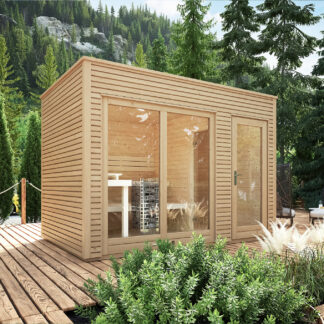
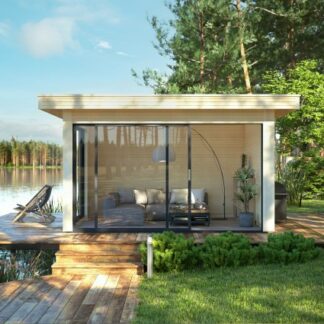
Ireland’s housing landscape is shifting—and fast. If you’ve been considering a log cabin, garden room, or modular home, the latest government proposals could completely change what’s possible on your land.
In March 2026, new planning reforms were announced that aim to simplify how homeowners extend, adapt, and build on their properties. And for the log cabin industry in Ireland, this is a major turning point.
In this guide, we’ll break down:
- What the new planning changes actually mean
- How they affect log cabins and modular homes
- What you can now build (without permission)
- Why 2026 could be the best time yet to invest in a cabin
- How to choose the right log cabin for your needs
Why Log Cabins Are Growing in Ireland
Log cabins in Ireland have evolved far beyond simple garden sheds. Today, they are being used as:
- Full-time residential homes
- Home offices and remote work spaces
- Rental accommodation (Airbnb or long-term lets)
- Multi-generational living solutions
- Wellness spaces like gyms, saunas, and studios
With rising property prices and limited housing supply, log cabins offer a flexible, cost-effective alternative to traditional builds.
But until now, planning permission has been one of the biggest barriers.
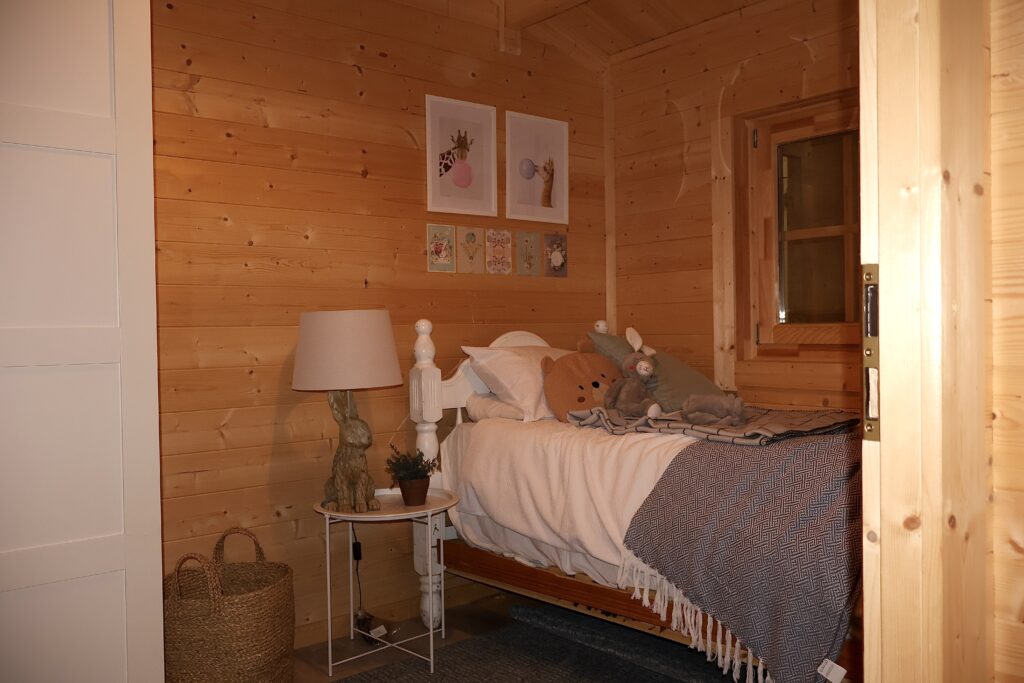
The 2026 Planning Changes Explained
In a recent government proposal led by Minister of State for Housing John Cummins, Ireland is set to introduce significant changes to planning exemptions for residential properties.
These changes are expected to go through consultation and could be implemented later this year.
Key Updates That Affect Log Cabins
Here’s what matters most if you’re considering a log cabin in Ireland:
1. Larger Garden Buildings Allowed
Detached structures in back gardens—such as:
- Log cabins
- Garden rooms
- Home offices
- Gyms
…are set to increase from 25m² to 30m² without planning permission.
This is a big deal.
It means more usable space, better layouts, and more realistic living options—without the delays of planning approval.
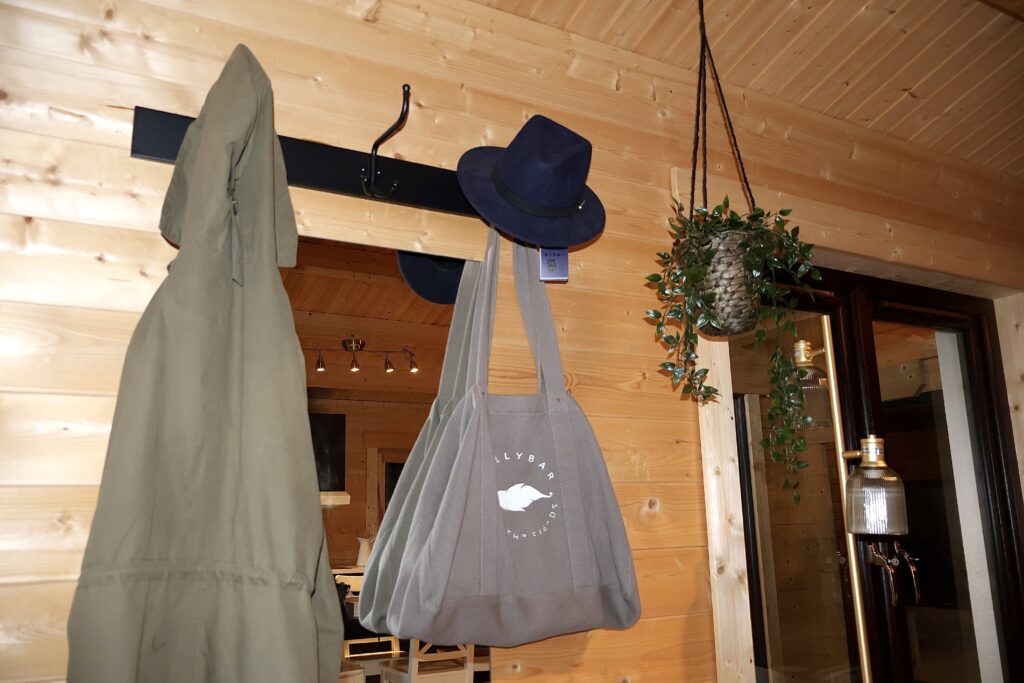
2. Bigger Home Extensions
The maximum size for rear extensions is expected to increase:
- From 40m² → 45m²
This opens the door to:
- Larger integrated cabin-style extensions
- Hybrid builds (house + modular unit)
- More spacious layouts overall
3. Modular Buildings in Gardens Becoming Easier
One of the most important updates:
Modular buildings in back gardens will be allowed under expanded exemptions.
This directly impacts log cabins and prefabricated homes.
It signals a shift in how the government views alternative housing—moving from restriction to encouragement.
4. Easier Property Subdivision
The new proposals may allow:
- Larger homes to be subdivided
- Older homeowners to downsize
- More efficient use of existing property
This creates opportunities to:
- Add a log cabin and create a second dwelling
- Generate rental income
- Support family members on the same site
5. Simplified Upgrades & Additions
Other changes include:
- External insulation no longer requiring planning
- Heat pumps allowed anywhere on the property
- Front garden storage (bike sheds, bins) permitted
- Boundary walls and gate pillars increased to 1.5m
All of this contributes to one thing:
👉 Less red tape for homeowners
What This Means for Log Cabins in Ireland
These changes aren’t just minor updates—they represent a shift in mindset.
For years, planning restrictions slowed down:
- Garden builds
- Modular homes
- Alternative living solutions
Now, the system is adapting.
The Big Opportunity
If implemented, these changes mean:
- Faster project timelines
- Lower upfront costs (no planning fees)
- Reduced uncertainty
- More design freedom
And most importantly:
👉 More people can actually build
Can You Live in a Log Cabin in Ireland?
This is the question everyone asks.
The answer is:
Yes—but it depends on how it’s used and classified.
Under Current & Proposed Rules
You may be able to:
- Use a cabin as a home office or studio (exempt)
- Use it as accommodation linked to the main house
- Build under exemption if within size limits
However, for:
- Full independent residential use
- Separate addresses
- Permanent dwellings
Planning permission may still be required.
But Here’s What’s Changing…
With modular buildings now being recognised in exemptions, we are moving closer to a system where:
👉 Log cabins are treated as real housing solutions—not temporary structures.
Why 2026 Is a Turning Point
The government has stated that planning exemption rules have not been significantly updated in nearly 25 years.
This reform aims to:
- Reduce pressure on the planning system
- Speed up minor developments
- Help homeowners take action faster
Combined with:
- Rising housing demand
- Increased construction costs
- Growing interest in flexible living
…it creates the perfect conditions for log cabins to become mainstream.
Choosing the Right Log Cabin
If you’re considering building a log cabin in Ireland, here are the key things to think about:
1. Purpose
What will you use it for?
- Living space
- Rental income
- Work/studio
- Family use
This determines size, layout, and spec.
2. Size & Layout
With the new 30m² exemption threshold, you can now design:
- One-bed layouts
- Open-plan living spaces
- Fully functional studios
3. Materials & Build Quality
Look for:
- High-grade timber (e.g. Scandinavian spruce)
- Insulation suited for Irish weather
- Double-glazed windows and doors
4. Customisation
The best log cabins are not fixed designs.
You should be able to:
- Adjust dimensions
- Choose window placements
- Add verandas or utility spaces
5. Future-Proofing
Think long-term:
- Can it be extended later?
- Can it adapt to new regulations?
- Will it add value to your property?
Cost of Log Cabins in Ireland
Prices vary depending on size, specification, and customisation.
Typical starting points:
- Small garden rooms: €7,000
- One-bed cabins: €26,000
- Two-bed residential cabins: €42,000
Compared to traditional construction, this is significantly more affordable—and much faster to deliver.
Log Cabins vs Traditional Extensions
Let’s compare:
| Feature | Log Cabin | Traditional Extension |
|---|---|---|
| Planning | Often exempt | Usually required |
| Build Time | Weeks | Months |
| Cost | Lower | Higher |
| Flexibility | High | Limited |
| Disruption | Minimal | High |
The Future of Housing in Ireland
The direction is clear.
Ireland is moving towards:
- Faster builds
- Smarter use of land
- Flexible housing solutions
Log cabins sit right at the centre of this shift.
They offer:
- Independence without relocation
- Space without major construction
- Opportunity without long delays
Final Thoughts
The 2026 planning changes could be the biggest opportunity the log cabin industry in Ireland has seen in decades.
For homeowners, it means:
- More freedom
- Less bureaucracy
- Faster decisions
And for anyone considering a cabin:
👉 Now is the time to start planning.
Because by the time these regulations are fully implemented, demand will follow.
Ready to Explore Your Options?
Whether you’re looking for a home office, a rental unit, or a full residential cabin, the first step is understanding what’s possible on your site.
Visit Timber Living to explore:
- Flexible cabin designs
- Customisable layouts
- Options built for Irish conditions
Or speak to the team directly and start planning your project today.
📍 Showroom Locations:
Tullow, Co. Carlow: +353 59 918 1039 / +353 86 821 4537
Boyle, Co. Roscommon: +353 86 817 0429
Carrigaline, Co. Cork: +353 87 646 4280