Ireland’s housing landscape could be on the verge of a major shift—but not just yet. Recent reports confirm that government plans to exempt modular homes from planning permission have been delayed following internal discussions at Cabinet level.
While the proposal still appears firmly on the agenda, political disagreements—particularly around how these homes would interact with the rent-a-room scheme—have slowed progress.
For homeowners, developers, and anyone considering a log cabin or modular home, this delay raises important questions. What’s actually being proposed? Why the delay? And most importantly—what happens next?
What Was the Original Plan?
The Irish Government has been working toward a policy that would allow modular homes (including garden cabins and similar structures) to be installed without full planning permission under certain conditions.
The aim is simple:
- Increase housing supply quickly
- Reduce pressure on the planning system
- Offer homeowners flexible living options
- Support multi-generational living and rental opportunities
Tánaiste Simon Harris described the intention clearly—“taking the planner out of your back garden” to free up planning resources for larger housing projects.
In practical terms, this could mean:
- Installing a modular home in your garden without lengthy approvals
- Using the space for family members or rental income
- Faster build timelines compared to traditional housing
Why Has the Plan Been Delayed?
Despite strong momentum, the proposal did not go to Cabinet this week due to what sources described as “back and forth” discussions between coalition partners.
At the centre of the delay is a disagreement between:
- Fine Gael
- Fianna Fáil
The key issue? Rental rules and taxation.
The Rent-a-Room Scheme Debate
One of the most significant sticking points is whether modular homes should fall under Ireland’s rent-a-room scheme, which currently allows homeowners to earn up to €14,000 per year tax-free.
What’s the concern?
- If modular homes are included → rental income capped at €14,000
- If excluded → potential for higher rents, but fewer protections
Some policymakers argue:
- Including them protects tenants and keeps things regulated
- Excluding them could unlock more housing supply
Others worry that limiting income could discourage homeowners from building these units in the first place.
This debate is a major reason the proposal has been delayed.
What Has the Government Said?
A spokesperson for Taoiseach Micheál Martin clarified that:
- There is no disagreement on the overall plan
- However, specific details still need to be resolved
Government sources confirmed ongoing discussions, with expectations that the proposal may return to Cabinet in the coming weeks.
Key Rules Being Considered
Even if planning permission is removed, modular homes won’t be unregulated. Several important conditions are expected:
1. Building Regulations Still Apply
All structures must comply with:
- Safety standards
- Fire regulations
- Structural requirements
2. Independent Access Required
Units must have:
- Separate entrances
- Clear distinction from the main home
3. Utility Restrictions
- No separate utility connections
- Likely shared services with the main house
These rules are designed to balance flexibility with safety and oversight.
Why This Matters for Homeowners
If implemented, this policy could be one of the most impactful changes to Irish housing in years.
1. Faster Builds
Without planning permission delays, homeowners could:
- Start projects sooner
- Complete builds in weeks rather than months
2. Lower Costs
Planning processes often involve:
- Application fees
- Professional reports
- Delays that increase costs
Removing these steps makes modular housing more accessible.
3. Flexible Living Solutions
Modular homes can be used for:
- Adult children living at home
- Elderly family members
- Home offices or businesses
- Rental income
The Impact on Ireland’s Housing Crisis
Ireland has been struggling with housing shortages for years. Modular homes are seen as a practical, scalable solution.
Potential Benefits:
- Rapid increase in housing supply
- Better use of existing land (back gardens)
- Reduced pressure on urban housing markets
However, critics warn that without careful regulation:
- It could create inconsistent housing standards
- Rental markets could become harder to manage
Modular Homes vs Traditional Housing
To understand why this policy matters, it’s worth comparing modular homes with traditional builds.
Modular Homes
- Faster construction
- Lower upfront costs
- Flexible placement
- Minimal disruption
Traditional Homes
- Longer timelines
- Higher costs
- Full planning required
- More complex construction
This contrast explains why the government is focusing on modular solutions.
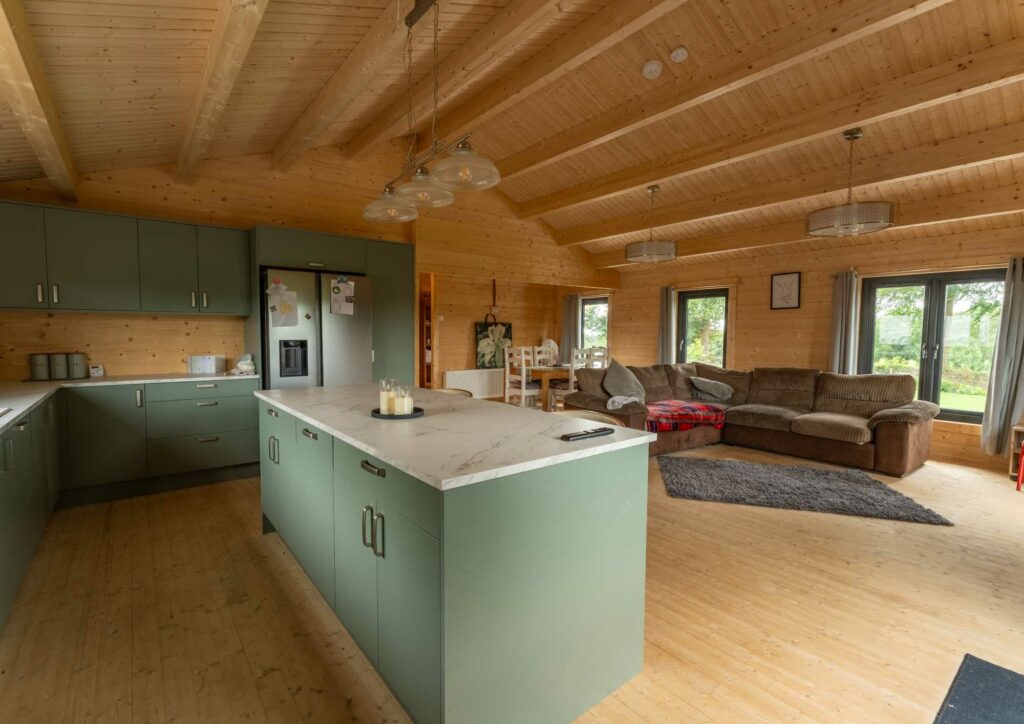
What This Means for Log Cabins and Garden Rooms
For companies building log cabins, garden rooms, and modular homes, this proposal is huge.
If approved, it could:
- Increase demand significantly
- Simplify the sales process
- Open new markets (especially rental-focused builds)
For customers, it means:
- More confidence in investing
- Faster decision-making
- Fewer regulatory barriers
Timeline: What Happens Next?
While the delay may seem like a setback, it’s likely temporary.
Expected Next Steps:
- Clarification from the Attorney General
- Further discussions between coalition parties
- Revised proposal brought back to Cabinet
- Potential approval in the coming weeks
Given the level of political support, the proposal is unlikely to be scrapped entirely—but it may be adjusted.

Should You Wait or Start Now?
This is the big question for many homeowners.
Option 1: Wait for the Policy
Pros:
- Avoid planning permission entirely
- Potentially simpler process
Cons:
- Uncertain timeline
- Possible changes to conditions
Option 2: Start Now
Pros:
- Get ahead of demand
- Lock in current pricing
- Begin planning immediately
Cons:
- May still require planning permission (for now)
For many, the best approach is to start exploring options now, so you’re ready to move quickly when changes are confirmed.
Expert Insight: A Shift in How We Think About Housing
This proposal signals something bigger than just a policy change.
It reflects a shift toward:
- Flexible living spaces
- Decentralised housing solutions
- Faster, more adaptable construction
Rather than relying solely on large-scale developments, the government is exploring ways to empower individual homeowners to contribute to housing supply.
Final Thoughts
The delay in exempting modular homes from planning permission is not the end of the story—it’s part of the process.
While disagreements between Fine Gael and Fianna Fáil have slowed progress, the overall direction remains clear.
Ireland is moving toward a future where:
- Modular homes play a key role in housing
- Planning systems become more efficient
- Homeowners have greater flexibility
For anyone considering a log cabin, garden room, or modular home, this is a space worth watching closely.
Thinking About a Modular Home?
Whether you’re planning a home office, extra living space, or a rental opportunity, now is the time to start exploring your options.
Because when this policy lands—it could change everything.
Start Planning Your Cabin Now
At Timber Living, we’ve been building modular homes and log cabins in Ireland for over 20 years — long before these changes were introduced.
Whether you need:
- A garden room
- A rental space
- A full residential log cabin
Our team can guide you through current regulations and upcoming changes.
👉 Request your quote today or visit one of our showrooms to see our builds in person.