
Ireland’s housing conversation is changing rapidly — and garden cabins, modular homes, and timber frame buildings are now at the centre of it.
Over the last year, demand for log cabins and modular homes has increased significantly across Ireland as homeowners look for smarter, faster, and more affordable ways to create additional living space. From home offices and family annexes to full-time living and rental opportunities, garden cabins are no longer viewed as “extra space” — they are becoming a genuine housing solution.
Now, with major proposed planning changes announced by the Irish Government in 2026, interest in modular homes and garden cabins has reached a new level.
The Big News: Proposed Planning Exemptions for Garden Cabins
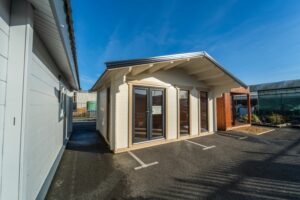
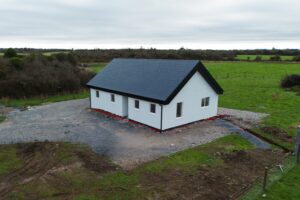
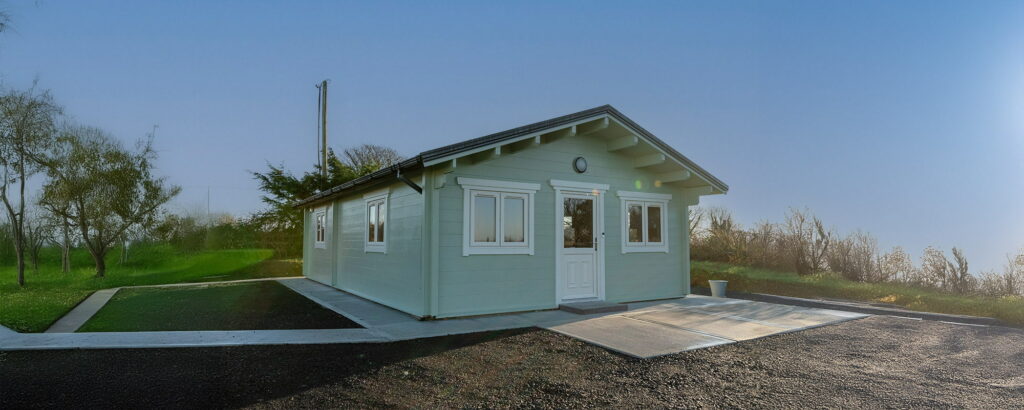
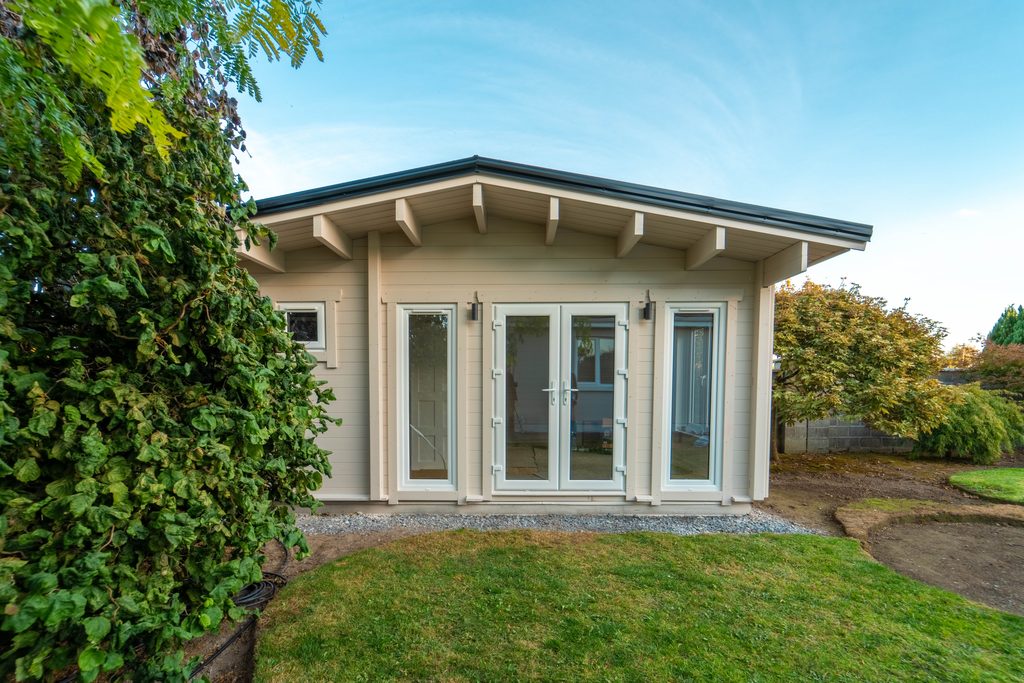
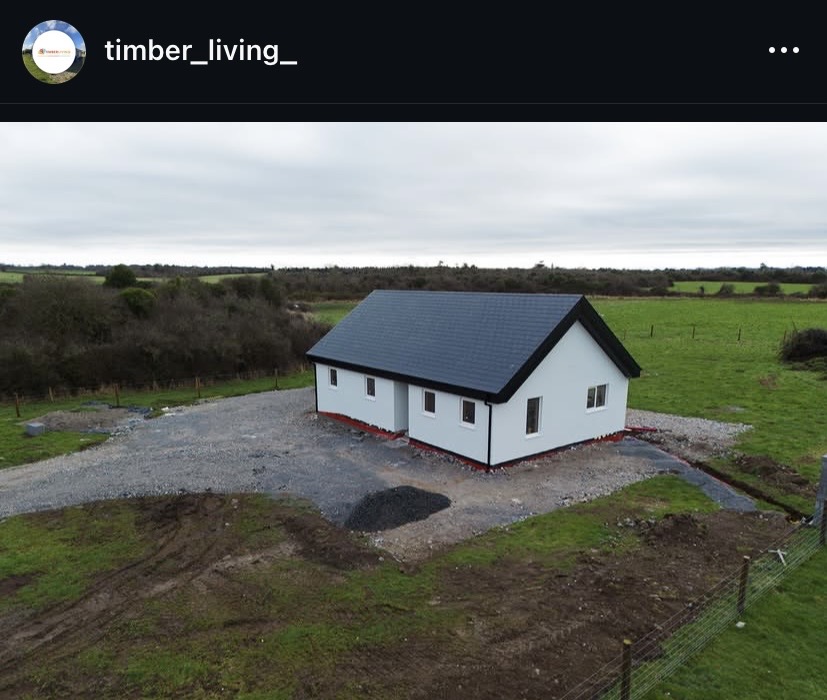
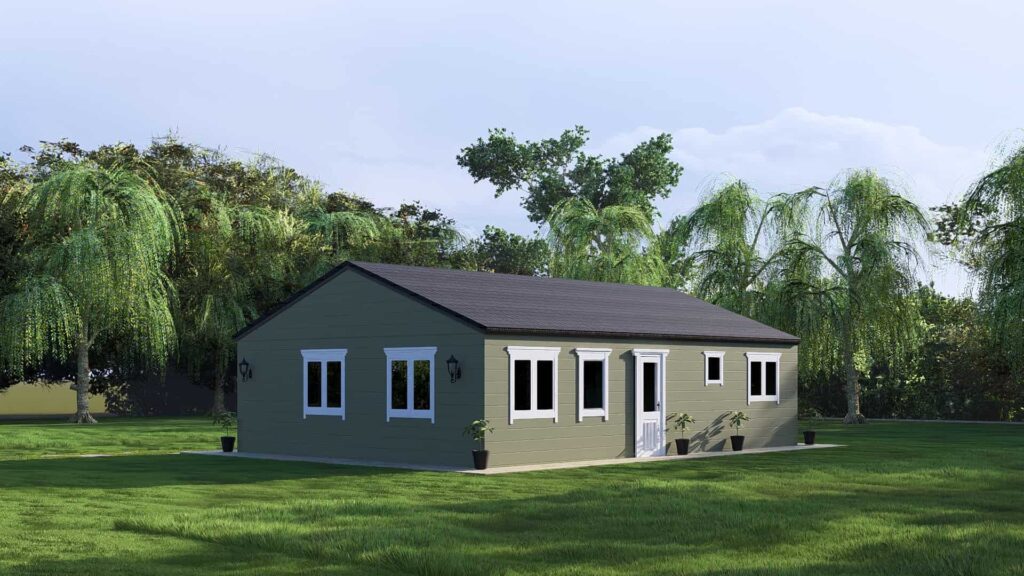
One of the biggest announcements this year is the Government’s proposal to allow detached modular homes and garden cabins between 32m² and 45m² to be built in back gardens without requiring traditional planning permission.
This would represent one of the biggest changes to Ireland’s exempted development regulations in decades.
Under the proposed regulations:
- Detached modular homes between 32m² and 45m² may qualify for exemption
- Homeowners can rent these units privately
- A minimum amount of garden space must remain
- Side access to the property may be required
- All buildings must still comply with building regulations and safety standards
The Government says the goal is to reduce planning delays, increase housing flexibility, and create additional accommodation options across Ireland.
For many homeowners, this could completely change what is possible on their property.
Why Garden Cabins Are Becoming So Popular
The demand for garden cabins and modular homes is no longer driven by just one type of buyer.
Today, people are exploring cabins for:
- Independent living
- Space for ageing parents
- Rental income opportunities
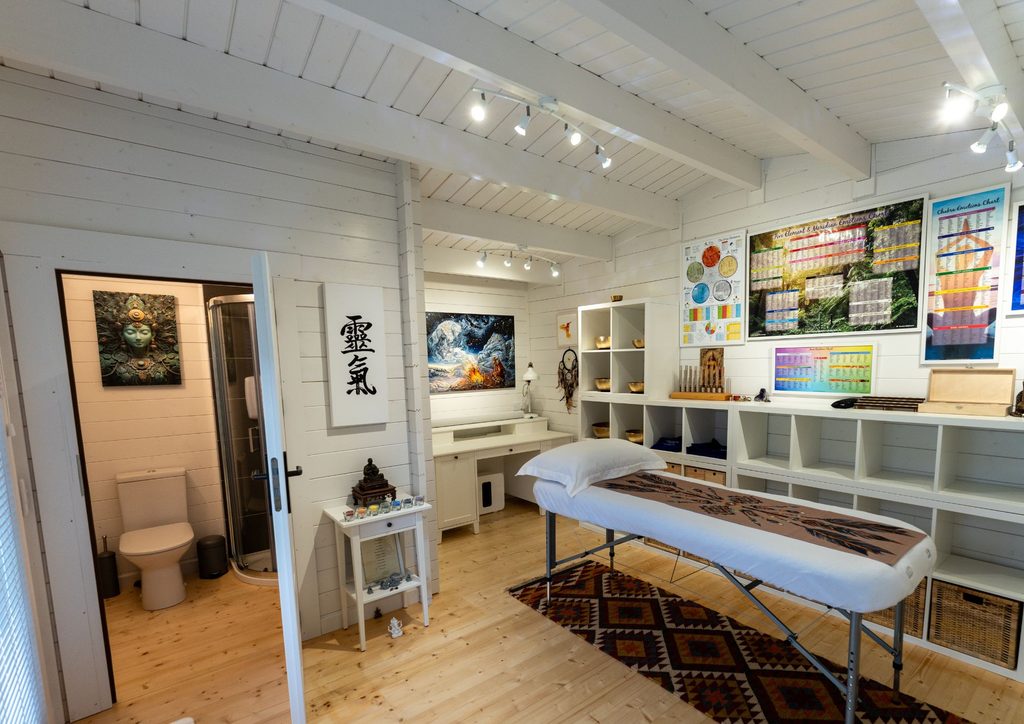
- Home offices and remote work
- Guest accommodation
- Downsizing solutions
- Affordable first homes
- Flexible family living
With property prices and rents continuing to rise, many Irish homeowners are beginning to see their garden as an opportunity rather than unused space.
A modern modular home can often be completed much faster than a traditional extension or self-build, while also offering predictable costs and flexible layouts.
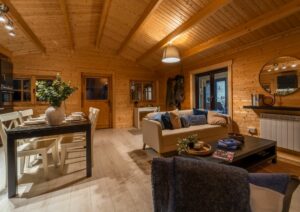
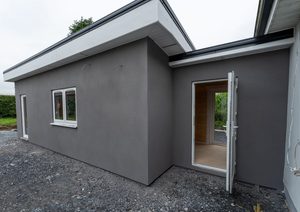
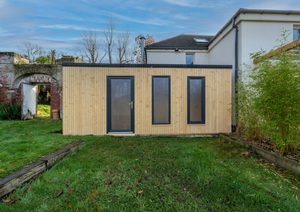
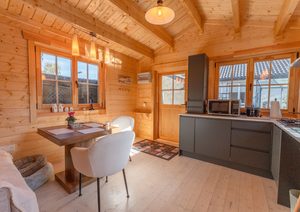
Rental Potential & Tax-Free Income Discussions
Another major topic generating attention is the possibility of renting out garden cabins privately in Ireland.
Recent reports indicate there is now an “agreement in principle” within Government for the existing Rent-a-Room Relief scheme to potentially apply to qualifying back garden cabins and modular units.
Under the current Rent-a-Room Relief scheme, homeowners can earn up to €14,000 per year tax-free from accommodation on their property. The Government is now exploring how this could potentially apply to detached modular homes or garden cabins located within residential gardens.
However, it is important to note that these proposals are still under review and have not yet been fully finalised in legislation. According to Government statements, additional legal and practical details are still being examined before the proposals move fully through Cabinet.
If introduced, the proposed measures could allow:
- Garden cabins up to 45m² to qualify under exempted development rules
- Homeowners to potentially generate tax-free rental income
- Greater flexibility for family accommodation and independent living
- Additional housing supply without traditional planning delays
At the same time, the proposals have also sparked debate around tenant protections, licensing arrangements, and how the scheme would operate in practice.
Because the regulations are still evolving, homeowners should continue monitoring official Government announcements and always seek professional guidance before making financial or construction decisions.
One thing is clear: Ireland is moving toward a much more flexible conversation around modular homes, garden cabins, and alternative housing solutions.
Important: The Rules Are Still Developing
One of the biggest misconceptions online right now is that all garden cabins automatically qualify for exemption immediately.
That is not the case.
While the Government has announced proposed changes, homeowners should always:
- Speak directly with their local authority
- Confirm site-specific requirements
- Ensure the structure complies with building regulations
- Verify usage permissions before construction
Experts have also warned homeowners not to rush into building before the final regulations are fully implemented.
Every property is different, and factors like access, drainage, services, garden size, and local development plans can all affect what is permitted.
Existing Planning Exemptions Are Also Expanding
Alongside the new modular home proposals, several other planning exemption updates have also been announced.
The Government confirmed proposed increases to existing exempted development limits, including:
- Rear house extensions increasing from 40m² to 45m²
- Garden structures such as home offices or gyms increasing from 25m² to 30m²
- Additional flexibility around attic conversions and dormer extensions
For homeowners considering extensions or outdoor buildings, this could provide far greater flexibility in the years ahead.
Garden Cabins Are No Longer Just “Sheds”
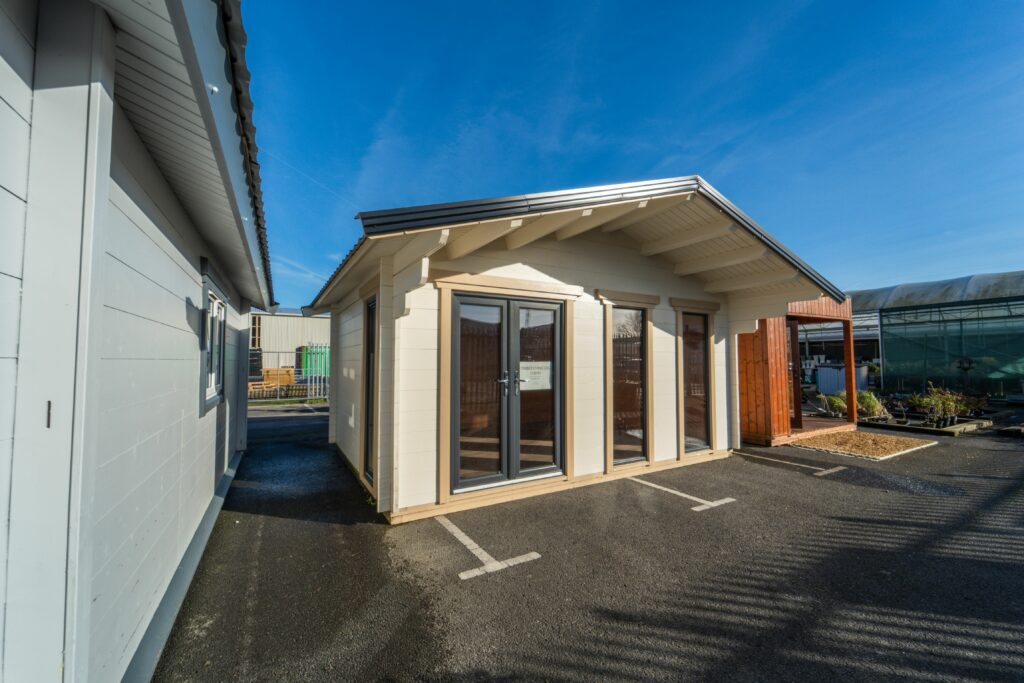
One of the biggest changes in Ireland is the shift in perception around modular living.
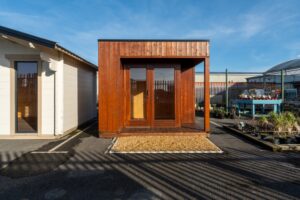
Modern timber cabins and modular homes are now being designed for:
- Full insulation
- Year-round living
- Energy efficiency
- Contemporary architecture
- Permanent residential comfort
The old image of a “garden shed” no longer reflects what many companies are building today.
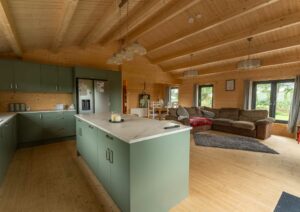
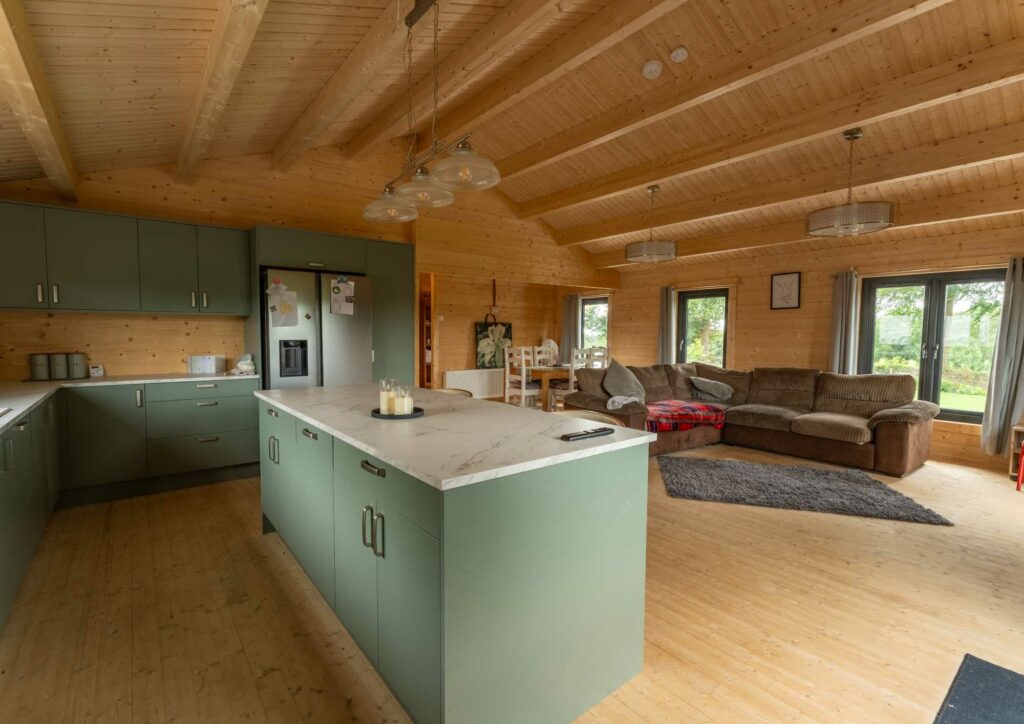
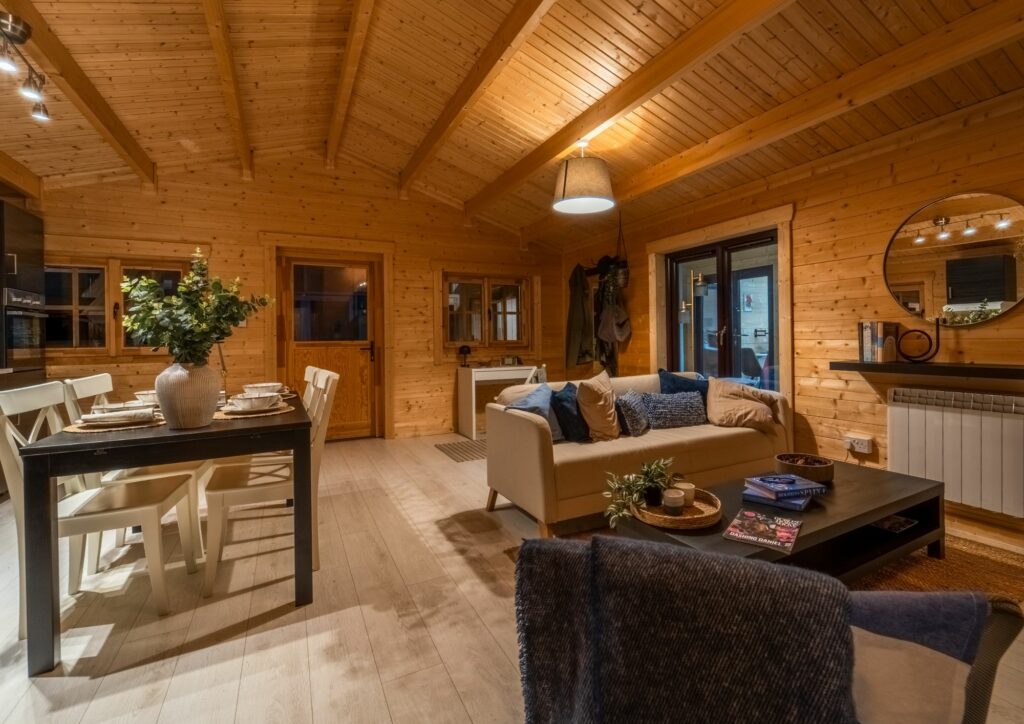
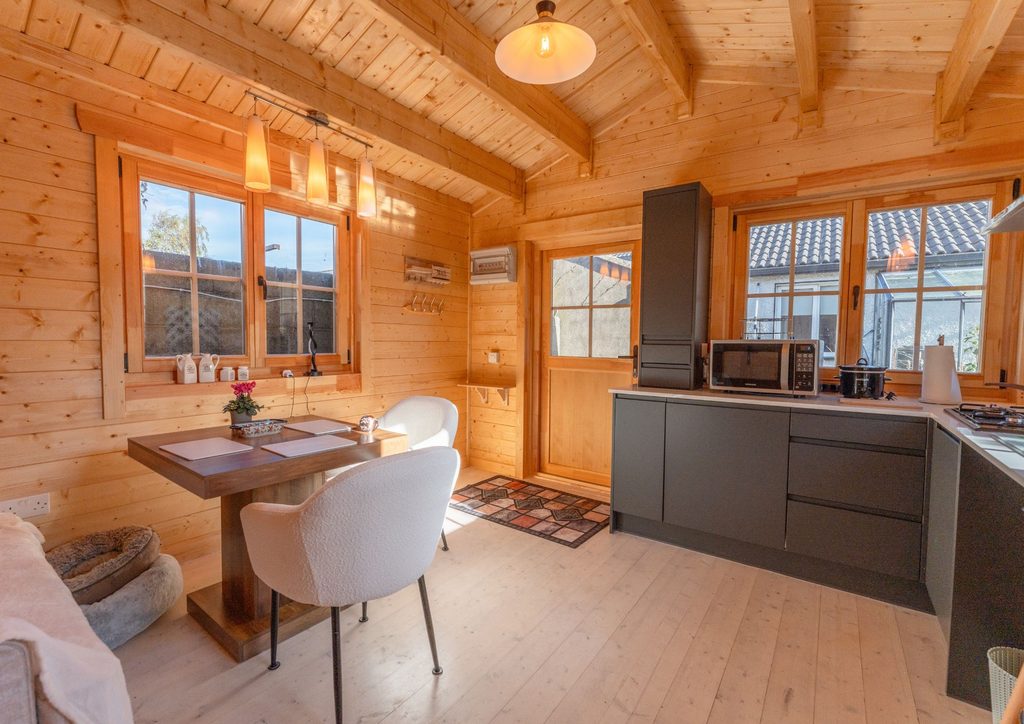
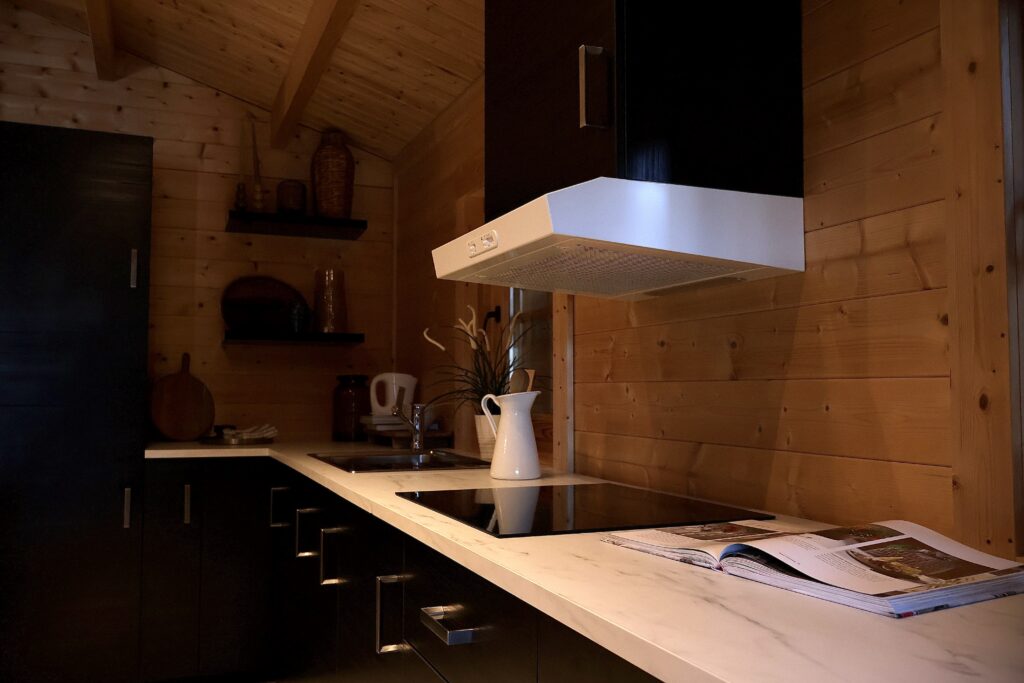
Modern cabins can include:
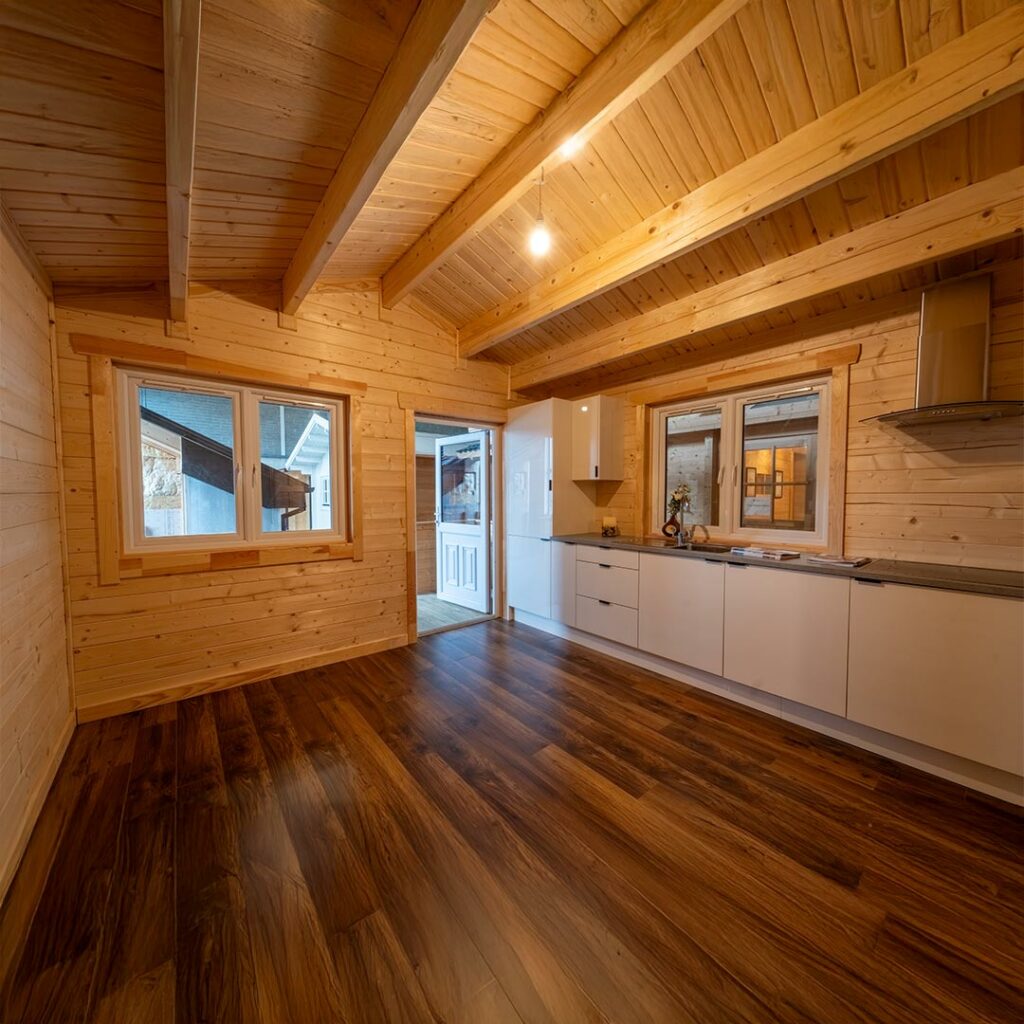
- Full kitchens
- Bathrooms
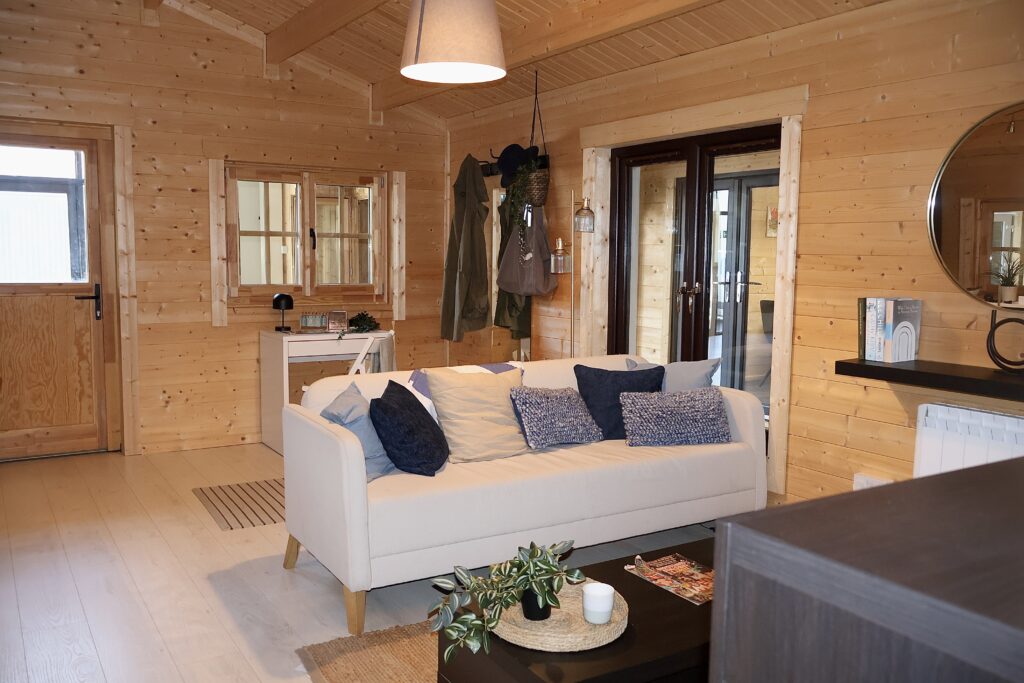
- Open-plan living areas
- Triple-glazed windows
- Heating systems
- Smart home features
- Contemporary cladding finishes
This evolution is one reason why demand has grown so quickly.
Concerns & Debate Around the New Rules
While many homeowners support the proposed changes, there has also been public debate.
Some housing groups and planning experts have raised concerns about:
- Rental standards
- Infrastructure pressure
- Parking and access
- Overdevelopment
- Potential misuse of exemptions
Others argue the changes are a practical way to increase housing supply and reduce unnecessary bureaucracy.
The Government has stated that the regulations will be reviewed after implementation.
What This Means for Homeowners Right Now
Even while the regulations continue to evolve, one thing is clear:
Ireland is moving toward greater flexibility around modular living and garden accommodation.
For homeowners, now is an ideal time to begin:
- Researching options
- Exploring layouts
- Understanding planning rules
- Comparing modular home models
- Preparing sites and budgets
As demand grows, early planning and informed decisions will become increasingly important.
The Future of Modular Living in Ireland
Garden cabins and modular homes are no longer niche products.
They are becoming part of the wider conversation around:
- Housing affordability
- Independent living
- Multi-generational homes
- Flexible working
- Sustainable construction
- Faster housing delivery
While planning regulations and rental frameworks are still being finalised, 2026 is already shaping up to be a major turning point for modular housing in Ireland.
For many families, the question is no longer:
“Could we build a cabin?”
It’s now:
“How could a cabin improve our lifestyle, income, or future?”
At Timber Living, we continue to monitor the latest planning updates and modular housing developments across Ireland.
If you’re considering a garden cabin, modular home, or timber frame build, visit one of our showrooms to explore your options and speak with our team.
📍 Showroom Locations:
Tullow, Co. Carlow
📞 +353 59 918 1039 / +353 86 821 4537
Boyle, Co. Roscommon
📞 +353 86 817 0429
Carrigaline, Co. Cork
📞 +353 87 646 4280


Recent Comments